Chichén Itzá: Echoes of the Lowland Classic

下载的 PDF 是图像副本。如需可选中文本及更好的辅助技术支持,请使用打印功能。

Chichén Itzá: Echoes of the Lowland Classic

揭开一个失落的文明

正在加载考古记录……

正在收集古代记录

跳转到主内容
Chichén Itzá: Echoes of the Lowland Classic
文明焦点

Chichén Itzá: Echoes of the Lowland Classic

Material and maternal lines from a Yucatán metropolis (550–1200 CE)

550 CE - 1200 CE
Yucatán Peninsula, Mexico
滚动开始
Chapter I

剧情

了解 Chichén Itzá: Echoes of the Lowland Classic 文化

Archaeological and ancient-DNA evidence from 95 individuals at Chichén Itzá (Yucatán, Mexico) reveals dominant maternal lineages and local continuity across the Classic–Terminal Classic transition. Limited evidence tempers conclusions about male-line ancestry and wider regional movements.

Time Period

550–1200 CE

Region

Yucatán Peninsula, Mexico

Common Y-DNA

Not reported / insufficient data

Common mtDNA

A (29), A2 (11), A2r (6), B2l (4), A2g (4)

Chapter II

时间线

这种文化历史上的关键时刻

550 CE

Early Classic activity

Initial phases of occupation and local monument construction begin around Chichén Itzá.

800 CE

Urban expansion

Significant monumental building and population growth mark the city’s rise.

900 CE

Terminal Classic transformations

Architectural and iconographic shifts suggest broader interregional interactions.

1200 CE

Decline and reorganization

Population dispersal and political change lead to reduced central authority.

Chapter III

Origins & Emergence

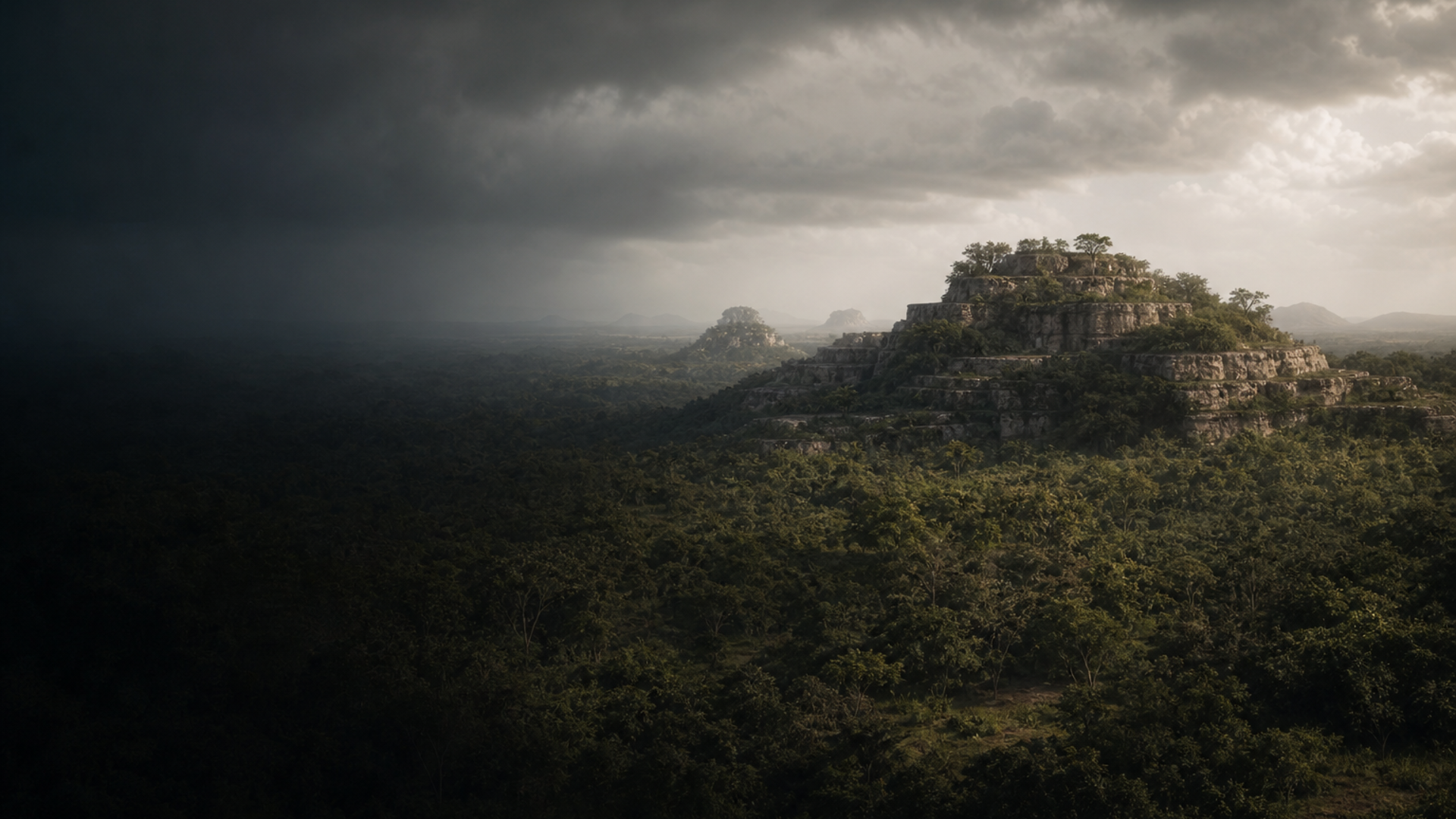
The stone silhouette of Chichén Itzá rises from the porous limestone of the northern Yucatán, a city born in the long shadow of the Classic Maya world. Archaeological data indicates occupation at the site from the Early Classic onward, with particular growth from roughly 550 CE. By the Late Classic and especially the Terminal Classic (ca. 800–1100 CE) Chichén Itzá became a major ceremonial and political center, characterized by monumental architecture such as the Temple of Kukulkán (El Castillo), the Great Ballcourt, and the Temple of the Warriors.

Material culture—ceramics, stone sculpture, architectural styles—shows both deep Lowland roots and episodes of broader interaction. Limited evidence suggests influences from the Gulf Coast and central Mexican iconography during the Terminal Classic, but the nature of these contacts (trade, migration, elite emulation) remains debated. Radiocarbon and stratigraphic sequences at Chichén Itzá and surrounding settlements anchor the city’s major phases between ca. 550 CE and 1200 CE.

Genetic sampling from burials and associated contexts at Chichén Itzá provides a new dimension to origin narratives. While DNA cannot yet resolve every archaeological question, it offers insight into population continuity, maternal ancestry, and the scale of movement into this urban hub. Because most samples derive from one site, broader regional generalizations should be made cautiously.

  • Occupation and growth documented from ~550 CE
  • Monumental construction and urbanization peak in 800–1100 CE
  • Material culture shows local continuity with episodic external influences
Chapter IV

Daily Life & Society

Stone plazas, shadowed colonnades, and the roar of the ballgame framed daily life at Chichén Itzá. Archaeological excavations reveal a city of diverse neighborhoods: elite compounds with carved reliefs and columns, artisans’ quarters where obsidian and shell were worked, commoner patios with domestic refuse, and ceremonial spaces tied to pilgrimage and feasting. The presence of extensive reservoirs and cenotes—most famously the Sacred Cenote—shaped ritual practice and water management in the porous north.

Burial evidence indicates varied mortuary treatments: interments beneath domestic floors, constructed tombs beneath pyramids, and offerings associated with public rites. Osteological analysis records a diet anchored in maize, with marine and freshwater resources supplementing protein intake—consistent with the city’s inland/coastal trade networks. Craft studies suggest specialization in stone carving, lithic production, and textile manufacture, while imported goods attest to long-distance exchange.

Social organization likely combined hereditary elites, craft specialists, and large attendant populations. Limited isotopic and aDNA work at Chichén Itzá begins to reveal mobility patterns—some individuals show local dietary signatures while others hint at childhood origins elsewhere—yet the full social mosaic is still being assembled.

  • Urban neighborhoods included elite, artisan, and commoner sectors
  • Ritual centers and the Sacred Cenote structured religious life
Chapter V

Genetic Profile

Ancient DNA from 95 individuals recovered at Chichén Itzá provides one of the larger single-site datasets for the northern Maya lowlands. Reported mitochondrial DNA (mtDNA) haplogroups show a predominance of lineage A and its sublineages: A (29), A2 (11), A2r (6), A2g (4), and B2l (4). These counts represent the assigned mtDNA profiles available from the dataset (total assigned mtDNA = 54), and they indicate strong maternal continuity with broader Mesoamerican maternal lineages commonly observed in precontact and modern indigenous populations.

The dominance of haplogroup A and its derivatives suggests that maternal ancestry at Chichén Itzá was largely drawn from regional populations of the Maya lowlands. This pattern is consistent with archaeological indications of long-term local occupation. Because Y-chromosome haplogroups are not reported or are insufficiently characterized in the current dataset, conclusions about male-line ancestry, patrilineal migration, or sex-biased mobility remain limited.

Genetic evidence also permits preliminary comparisons across time: when combined with isotopic and archaeological data, the mtDNA profile supports a model of substantial local continuity across the Classic–Terminal Classic transition, with episodic influxes of nonlocal individuals rather than wholesale population replacement. However, caution is warranted: the assigned mtDNA counts cover a subset of the 95 samples, and analyses drawn from a single urban center cannot fully capture regional diversity. Further Y-DNA sampling and genome-wide data will be needed to resolve questions about kinship, elite lineages, and the scale of long-distance migration.

  • mtDNA dominated by haplogroup A and sublineages (A, A2, A2r, A2g) and B2l
  • Y-chromosome data not reported—male-line patterns remain unresolved
Chapter VI

Legacy & Modern Connections

The stones of Chichén Itzá continue to shape modern identities across the Yucatán. Living Maya communities preserve linguistic, ritual, and craft traditions that echo aspects of Classic-period life, while modern genetic studies help map ancestral connections between ancient inhabitants and present-day descendants. Archaeological and genetic continuity suggests that many maternal lineages at Chichén Itzá are part of broader lineages still present in the region today.

At the same time, the archaeological record and DNA both remind us of complexity: cultural influence and mobility left layered marks on the city without erasing long-standing local roots. For communities, scholars, and visitors, Chichén Itzá stands as a place where material splendor, ritual life, and familial lineages meet—offering a tangible bridge between past and present. Continued sampling, respectful collaboration with descendant communities, and broader regional studies are essential to deepen and responsibly interpret these connections.

  • Maternal lineages at Chichén Itzá connect to broader regional ancestry
  • Ongoing research and descendant collaboration needed to refine links
AI 电源

AI 助手

就 Chichén Itzá: Echoes of the Lowland Classic 文化提问

AI 助手 由DNAGENICS公司制作

解锁此特性
Ask questions about the Chichén Itzá: Echoes of the Lowland Classic culture. Our AI assistant can explain genetic findings, historical context, archaeological evidence, and modern connections.
AI 样本分析

Chichén Itzá: Echoes of the Lowland Classic 文化是人类历史中值得了解的一章……

遗传分析揭示了与早期种群的联系,同时显示了独特的适应和文化创新的证据。 古代DNA样本提供了对迁徙模式、社会结构以及古代种群之间的生物关系的深刻见解。

这是人工智能分析的预览。 解锁全AI 助手, 以探索关于:

  • 遗传组成和祖先
  • 移徙模式和起源
  • 日常生活和文化习俗
  • 现代遗传遗产

探索更古老的文化

揭开古代世界文明的故事

使用优惠码 可减免 35% • 11月12日 到期




