Danube‑Tisza Sarmatian–Hun Frontier

下载的 PDF 是图像副本。如需可选中文本及更好的辅助技术支持,请使用打印功能。

Danube‑Tisza Sarmatian–Hun Frontier

揭开一个失落的文明

正在加载考古记录……

正在收集古代记录

跳转到主内容
Danube‑Tisza Sarmatian–Hun Frontier
文明焦点

Danube‑Tisza Sarmatian–Hun Frontier

Genetic echoes from 400–500 CE on the Danube‑Tisza interfluve

400 CE - 500 CE
Danube‑Tisza Interfluve, Hungary
滚动开始
Chapter I

剧情

了解 Danube‑Tisza Sarmatian–Hun Frontier 文化

Archaeogenetic and archaeological evidence from Kecskemét‑Mindszenti‑dűlő (400–500 CE) reveals a small cohort with mainly European Y‑lineages and mixed maternal ancestry, illuminating a Late Sarmatian to Early Hun frontier community in Hungary. Conclusions are preliminary (n=8).

Time Period

400–500 CE

Region

Danube‑Tisza Interfluve, Hungary

Common Y-DNA

I (majority), I1a (present)

Common mtDNA

K, H5, U, H, H7

Chapter II

时间线

这种文化历史上的关键时刻

2500 BCE

Bronze Age transformations in the Carpathian Basin

Bronze Age social and technological changes establish long‑term demographic foundations that later populations in the region inherit.

Chapter III

Origins & Emergence

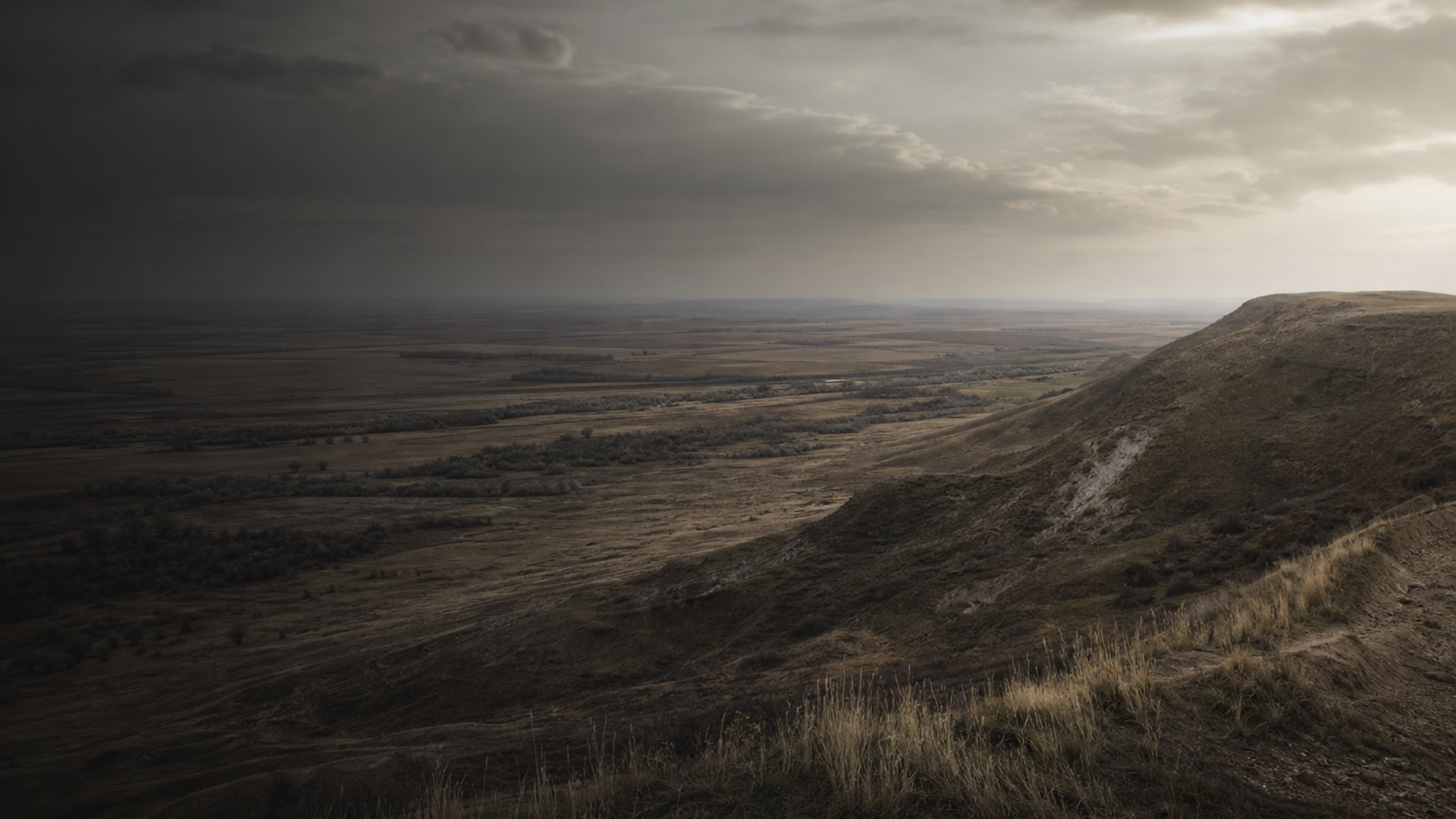
The human story at Kecskemét‑Mindszenti‑dűlő unfolds in a liminal landscape: the broad, low terraces between the Danube and Tisza rivers where steppe traditions met the settled communities of the Carpathian Basin. Archaeological data indicates occupation and burial activity in the fourth and fifth centuries CE — a period often described as the Late Sarmatian to Early Hun transition in the region. Material traces in the region record a mixture of mobile equestrian practices and local agricultural lifeways, suggesting a cultural frontier rather than a single homogeneous population.

Genetically, the sampled assemblage (n=8) provides a narrowly focused lens: a predominance of Y‑haplogroup I lineages and diverse maternal haplotypes that reflect long‑standing European ancestries layered over later mobility. Limited evidence suggests that the community at Kecskemét retained strong local genetic continuity while also absorbing influences associated with steppe movements to the east. Because the sample count is small, these patterns should be read as provisional: they point toward continuity and admixture but cannot yet resolve the tempo or precise sources of gene flow during this turbulent era.

Archaeology and DNA together portray an emergent frontier population—rooted in the Carpathian Basin yet responsive to the sweeping dynamics of Late Antiquity.

  • Site: Kecskemét‑Mindszenti‑dűlő, Danube‑Tisza Interfluve
  • Date range: 400–500 CE, Late Sarmatian to Early Hun transition
  • Evidence indicates cultural continuity with regional admixture
Chapter IV

Daily Life & Society

Daily life on the Danube‑Tisza interfluve would have been a cinematic weave of riverine fields, pastures, and mobile herding. Archaeological traces from the wider region show a mixed economy: crop cultivation in seasonally fertile floodplain soils, raising of livestock, and horse‑related equipment that reflects the enduring importance of mounted mobility. Burial practices in Late Sarmatian contexts often combine rich personal accoutrements with pragmatic assemblages, a pattern consistent with communities negotiating identity through both local traditions and steppe‑influenced symbols.

Social organization likely ranged from family farmsteads to small, interconnected hamlets and transient camps. Ceramic types, metalwork fragments, and traces of wooden structures indicate craft specialization and exchange networks oriented along river corridors. The Danube served not only as a resource but as an artery for people, goods, and ideas—magnifying the cultural interactions already visible in material culture.

Because the archaeological footprint at Kecskemét is fragmentary and genetic sampling is limited (eight individuals), reconstructing everyday practice requires careful inference from regional parallels. Nonetheless, the evidence suggests a resilient community that combined rooted agricultural lifeways with the mobility and social signaling of a frontier zone.

  • Mixed economy: agriculture, pastoralism, and horse culture
  • River corridors (Danube) facilitated exchange and mobility
Chapter V

Genetic Profile

The genetic dataset from Kecskemét‑Mindszenti‑dűlő comprises eight individuals dated to 400–500 CE. Y‑chromosome lineages are dominated by haplogroup I (4 out of 8), with at least one sample assigned to the northern subclade I1a. Maternal lineages show diversity: mtDNA K appears twice, and other haplotypes include H5, U, H, and H7. This combination signals a mosaic of deep European paternal and maternal ancestries characteristic of the Carpathian Basin.

Interpretation: Haplogroup I is long‑established in Europe, often associated with Mesolithic and later regional male lineages, while I1a today is frequent in northern Europe—its presence here could reflect north‑to‑central European connections or retained older diversity within local populations. MtDNA K and H variants are commonly linked to Neolithic farmer expansions and subsequent regional continuity; U lineages can trace to earlier forager ancestries. Together, the profile is consistent with a population formed by long‑term European substrate with later layers of mobility.

Caveats: with only eight samples, statistical power is limited. Patterns observed are informative but preliminary; further sampling across nearby sites and periods is required to robustly resolve migration events, sex‑biased admixture, and continuity versus replacement dynamics.

Genetics and archaeology combined suggest a locally rooted populace touched by wider Late Antique movements, not a wholesale demographic replacement.

  • Y‑DNA: predominance of haplogroup I; I1a present
  • mtDNA: mixed maternal ancestries (K, H5, U, H, H7); interpretations preliminary (n=8)
Chapter VI

Legacy & Modern Connections

The lineages observed at Kecskemét hint at threads that run into the present: haplogroup I and mtDNA types like H and K are widespread in modern Europe, including Hungary. Archaeogenetic evidence therefore suggests partial continuity of deep European genetic components through the tumult of Late Antiquity. Yet continuity is not total—this era is known for population movements, cultural reshaping, and complex admixture.

For modern genetic studies, the Kecskemét assemblage offers a valuable, if small, snapshot of a frontier community where local and mobile elements met. It reminds us that modern populations are palimpsests: many ancestral lineages persist, but their frequencies and social meanings have shifted through centuries of migration and integration. Any direct claim of descent from these eight individuals to modern groups would be premature; instead, these genomes contribute to a growing mosaic that, with more data, will clarify how Late Sarmatian and Early Hun period dynamics fed into the genetic landscape of Central Europe.

  • Some observed lineages persist in modern European gene pools
  • Small sample size limits direct claims of continuity; broader datasets needed
AI 电源

AI 助手

就 Danube‑Tisza Sarmatian–Hun Frontier 文化提问

AI 助手 由DNAGENICS公司制作

解锁此特性
Ask questions about the Danube‑Tisza Sarmatian–Hun Frontier culture. Our AI assistant can explain genetic findings, historical context, archaeological evidence, and modern connections.
AI 样本分析

Danube‑Tisza Sarmatian–Hun Frontier 文化是人类历史中值得了解的一章……

遗传分析揭示了与早期种群的联系,同时显示了独特的适应和文化创新的证据。 古代DNA样本提供了对迁徙模式、社会结构以及古代种群之间的生物关系的深刻见解。

这是人工智能分析的预览。 解锁全AI 助手, 以探索关于:

  • 遗传组成和祖先
  • 移徙模式和起源
  • 日常生活和文化习俗
  • 现代遗传遗产

探索更古老的文化

揭开古代世界文明的故事

使用优惠码 可减免 35% • 11月12日 到期




