Dnieper–Mariupol Riverfolk

下载的 PDF 是图像副本。如需可选中文本及更好的辅助技术支持,请使用打印功能。

Dnieper–Mariupol Riverfolk

揭开一个失落的文明

正在加载考古记录……

正在收集古代记录

跳转到主内容
Dnieper–Mariupol Riverfolk
文明焦点

Dnieper–Mariupol Riverfolk

Riverine cemeteries and ancient genomes reveal life along Ukraine's lower Dnieper.

5766 CE - 3986 BCE
Lower Dnieper, Ukraine
滚动开始
Chapter I

剧情

了解 Dnieper–Mariupol Riverfolk 文化

Archaeological and genetic data from 14 individuals (5766–3986 BCE) at Dnieper-Mariupol sites in Ukraine show predominance of maternal U lineages and male I and R haplogroups, highlighting riverine burial traditions and deep hunter‑gatherer ancestry with signs of wider contacts.

Time Period

5766–3986 BCE

Region

Lower Dnieper, Ukraine

Common Y-DNA

I (6), R (4), IJ (1)

Common mtDNA

U (11 dominant), H2a, U4a/d

Chapter II

时间线

这种文化历史上的关键时刻

4500 BCE

River cemeteries intensify use

Cemeteries such as Mamai‑Gora and Lysa Gora show intensified burial activity, reflecting growing ritual landscapes along the Dnieper floodplain.

Chapter III

Origins & Emergence

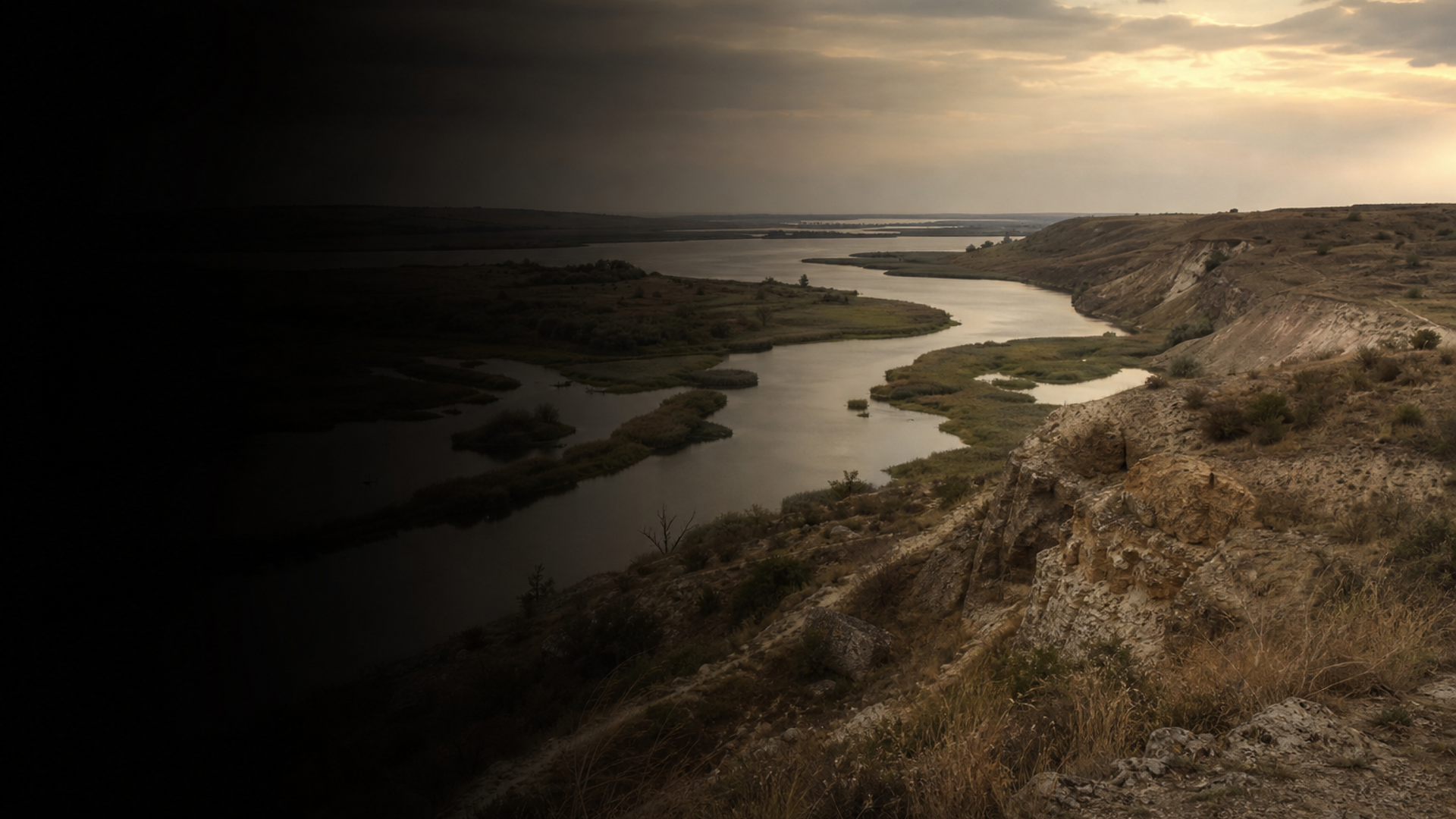
Stretching across the lower Dnieper floodplain, communities of the Dnieper–Mariupol horizon emerged in the late Mesolithic and continued into the Chalcolithic. Radiocarbon dates associated with human remains studied here span c. 5766–3986 BCE. Excavated cemeteries such as Mamai‑Gora and Lysa Gora, and settlement or burial loci like Vovnihy‑2 and Vilnianka, reveal large, often collective burial complexes placed close to river channels. Archaeological data indicates a cultural emphasis on riverine resources and negotiated territorial use of floodplain landscapes.

Material culture — shell beads, flint tools, and distinctive burial treatments — ties these groups to the broader Dnieper‑Mariupol tradition. Limited evidence suggests varying degrees of interaction with neighboring farmer and steppe groups, reflected in both artifacts and emerging genetic signals. The 14 ancient genomes sampled provide a window into population processes but remain a partial record of a dynamic, millennia‑long history. Continued excavation and additional radiocarbon and genomic sampling are needed to refine models of origin and migration.

  • Dates: c. 5766–3986 BCE from four cemetery/settlement sites
  • Located in lower Dnieper floodplain: Mamai‑Gora, Lysa Gora, Vovnihy‑2, Vilnianka
  • Part of the broader Dnieper‑Mariupol cultural complex with riverine focus
Chapter IV

Daily Life & Society

The Dnieper–Mariupol communities lived in a landscape of braided channels, rich wetlands, and seasonal fisheries. Archaeological data indicates diets dominated by fish, wild game, and gathered plants, supplemented in places by cultivated plants as contacts with farming neighbors grew. Burial grounds — some extensive and repeatedly used over centuries — suggest complex mortuary practice: bodies interred with ochre, beadwork, and curated stone tools that may signal age, gender, or lineage.

Social life can be glimpsed in grave clustering and artifact distribution: some cemeteries show concentrations of richly adorned graves, while others are more uniform, hinting at variable social differentiation across time and place. Crafting of shell and bone ornaments produced objects that traveled in exchange networks along the river, echoing the Dnieper as both highway and lifeline. Seasonal mobility likely complemented more permanent riverine bases, and boats or simple dugouts were almost certainly central to movement and trade. While the material record paints vivid scenes, many interpretations remain provisional until more extensive contextual and isotopic data are available.

  • Economy centered on fishing, hunting, gathering; mixed farming contacts likely
  • Large, repeat-use cemeteries with ochre, beads, and curated grave goods
Chapter V

Genetic Profile

Fourteen ancient genomes from Vovnihy‑2, Lysa Gora, Mamai‑Gora and Vilnianka provide a first genomic sketch of Dnieper–Mariupol people. Maternal lineages are dominated by mtDNA U (11 of 14), with isolated H2a, U4a and U4d types — a pattern that echoes continuity with European Mesolithic hunter‑gatherer maternal pools. On the paternal side, haplogroup I is most frequent (6), followed by R (4) and a single IJ result. Y‑haplogroup I is commonly associated with northern and eastern European hunter‑gatherers; its prominence here reinforces archaeological signals of long‑standing local ancestry.

The presence of R lineages and a minority of non‑U maternal types hint at contacts or gene flow from broader Eurasian networks — possibly transient mobility or small‑scale admixture with incoming groups. Archaeological data indicates such cultural contacts, but genetic sample size and geographic scope are still limited: with 14 individuals the results are informative but not definitive. Genome‑wide autosomal analyses (when available) will better resolve proportions of hunter‑gatherer, farmer, and steppe‑related ancestry and clarify how local lineages persisted or transformed over millennia.

  • MtDNA dominated by U (11/14), signaling hunter‑gatherer maternal continuity
  • Y‑DNA includes I (6) and R (4); R presence may reflect wider contacts/admixture
Chapter VI

Legacy & Modern Connections

The river cemeteries of the lower Dnieper left a palimpsest in the landscape: burial mounds and shell middens that shaped later memory and land use. Genetically, the dominance of mtDNA U and presence of Y‑haplogroup I point to durable threads of Mesolithic ancestry contributing to the ancestry tapestry of eastern Europe. Archaeological continuities in ornament styles and burial orientation suggest cultural persistence even as contacts brought new practices.

Modern populations in Eastern Europe carry traces of these deep ancestries, but direct lines between single ancient groups and present communities are complex and mediated by many later migrations. The current genomic sample offers tantalizing continuity but should be read as an early chapter; larger, geographically broader datasets will better map how Dnieper–Mariupol peoples contributed to subsequent Bronze Age and historic populations.

  • Maternal U lineages suggest long‑term continuity into later eastern European gene pools
  • Cultural and genetic signals indicate local persistence tempered by external contacts
AI 电源

AI 助手

就 Dnieper–Mariupol Riverfolk 文化提问

AI 助手 由DNAGENICS公司制作

解锁此特性
Ask questions about the Dnieper–Mariupol Riverfolk culture. Our AI assistant can explain genetic findings, historical context, archaeological evidence, and modern connections.
AI 样本分析

Dnieper–Mariupol Riverfolk 文化是人类历史中值得了解的一章……

遗传分析揭示了与早期种群的联系,同时显示了独特的适应和文化创新的证据。 古代DNA样本提供了对迁徙模式、社会结构以及古代种群之间的生物关系的深刻见解。

这是人工智能分析的预览。 解锁全AI 助手, 以探索关于:

  • 遗传组成和祖先
  • 移徙模式和起源
  • 日常生活和文化习俗
  • 现代遗传遗产

探索更古老的文化

揭开古代世界文明的故事

使用优惠码 可减免 35% • 11月12日 到期




