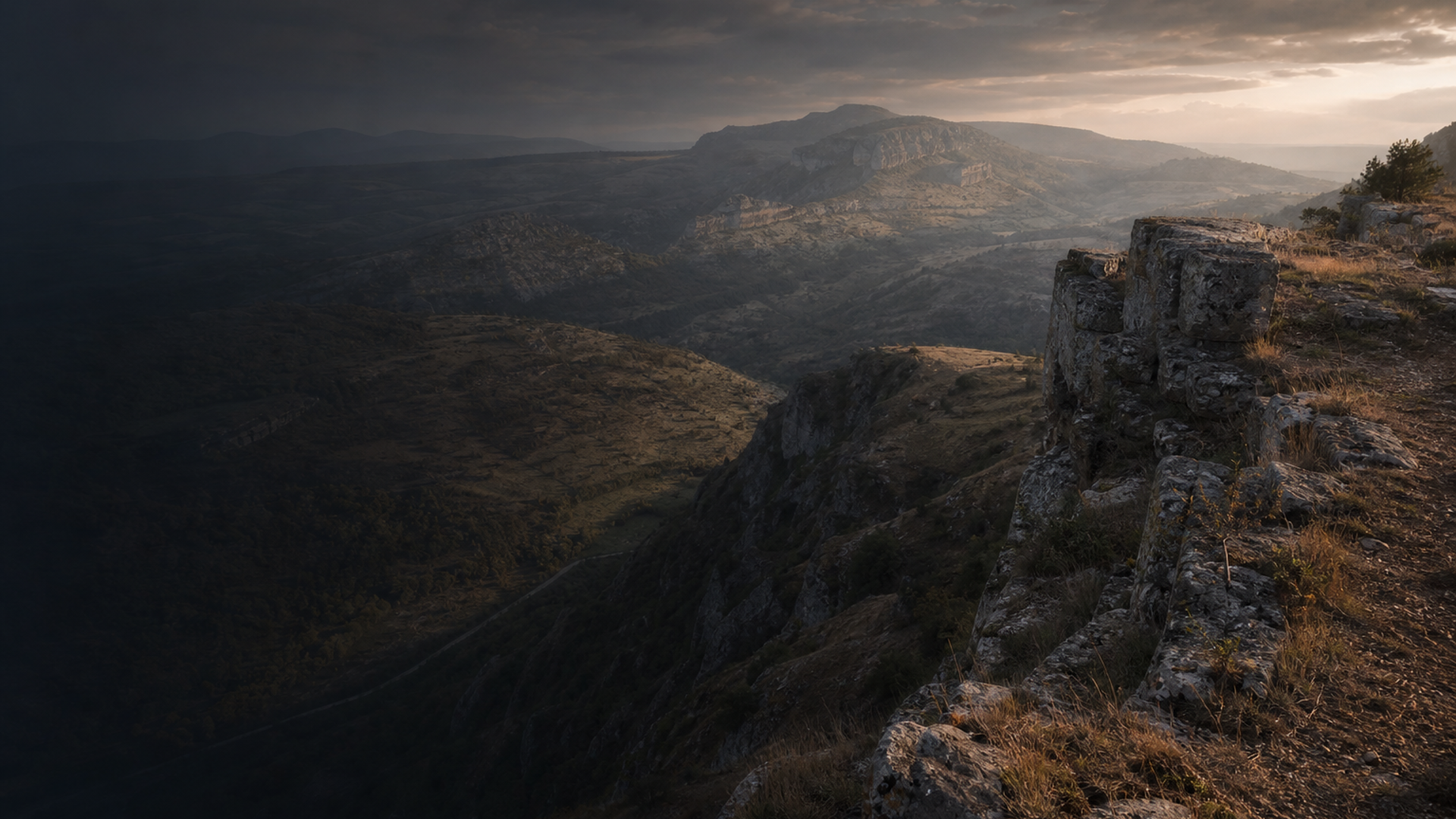
Dzhulyunitsa: Iron Age Echoes

下载的 PDF 是图像副本。如需可选中文本及更好的辅助技术支持,请使用打印功能。

跳转到主内容
文明焦点

Dzhulyunitsa: Iron Age Echoes

A lone genetic voice from Veliko Tarnovo’s Iron Age landscape

771 CE - 541 BCE
Veliko Tarnovo region, Bulgaria

剧情

Archaeogenetic and archaeological evidence from a single Iron Age sample (771–541 BCE) at Dzhulyunitsa, Veliko Tarnovo, Bulgaria offers a tentative glimpse into local population dynamics. Limited data link material culture to broader Balkan Iron Age patterns; conclusions remain preliminary.

Time Period

771–541 BCE

Region

Veliko Tarnovo region, Bulgaria

Common Y-DNA

Unknown / not reported

Common mtDNA

H (1)

时间线

650 BCE

Dzhulyunitsa sample dated

A genetic sample from Dzhulyunitsa, Veliko Tarnovo, dated to 771–541 BCE, provides the sole ancient DNA window for Bulgaria_IA and highlights the need for further sampling.

Origins & Emergence

The Iron Age horizons in central northern Bulgaria, including the Veliko Tarnovo area and the site at Dzhulyunitsa, formed amid a long arc of change from the Late Bronze Age into the first millennium BCE. Archaeological data indicate local settlement continuity in many valleys and upland hillforts, while material influences—metalwork styles, pottery forms, and burial rites—show connections across the Balkans.

Stone, soil and charcoal preserve traces of communities that adapted farming, animal husbandry and craft specialization to a shifting political map. Limited evidence suggests the presence of cultural groups commonly associated with the broader Thracian cultural sphere, but regional heterogeneity is clear: different valleys and hilltops display distinct ceramic repertoires and architectural patterns. The Dzhulyunitsa find sits within this mosaic, offering a narrow but evocative window into how local populations emerged from Bronze Age roots to participate in Iron Age networks of exchange and identity.

Because the genetic dataset for Bulgaria_IA currently rests on a single sample, any reconstruction of origins must remain cautious. Archaeological signals help orient genetic interpretations, but both lines of evidence require expanded sampling to move beyond provisional hypotheses.

  • Local continuity from Late Bronze Age into Iron Age
  • Material culture links to broader Balkan/Thracian spheres
  • Conclusions are cautious due to limited sample size

Daily Life & Society

Archaeological contexts across Iron Age Bulgaria evoke a landscape of mixed farms, seasonal pastures and fortified settlements. Everyday life would have been shaped by a rhythm of sowing and harvest, herding, and craft production—pottery, textile work, and metalworking—visible in workshop debris and tool finds from contemporaneous sites in the region.

Hillforts and defended tells in the Veliko Tarnovo area suggest communities negotiated security and control of arable land and trade routes. Funerary practices range from inhumations to richer burials with metal goods, indicating social differentiation, craft specialization and connections to long-distance exchange networks. Coastal and riverine routes, including those along the Danube corridor, channeled goods, ideas and people, linking inland communities like Dzhulyunitsa to broader Mediterranean and Balkan currents.

Archaeobotanical and zooarchaeological remains from comparable Iron Age sites show diets based on cereals, legumes and domestic animals, with wild resources supplementing nutrition. Interpreting daily life at Dzhulyunitsa specifically is limited by the single genetic sample, but the archaeological backdrop paints a vivid picture of resilient, connected rural communities.

  • Mixed farming, pastoralism, and craft specialization
  • Hillforts and trade routes shaped social organization

Genetic Profile

The genetic evidence for Bulgaria_IA is currently represented by a single sampled individual from Dzhulyunitsa (Veliko Tarnovo), dated 771–541 BCE. This individual carries mitochondrial haplogroup H, a lineage widespread in Europe since the post-glacial and Neolithic periods. Archaeogenetic studies across the Iron Age Balkans generally reveal mixtures of long-standing Neolithic farmer ancestry, persistent local Bronze Age components, and varying degrees of Steppe-derived ancestry introduced earlier in the Bronze Age; however, with only one mtDNA-bearing sample here, any inference about population-wide ancestry is provisional.

No Y-DNA haplogroup is reported for this sample, so paternal lineages remain undocumented for Bulgaria_IA. Because the dataset contains fewer than ten individuals, statistical power is low: population-level inferences, substructure, or sex-biased processes (e.g., male-mediated migrations) cannot be robustly assessed. Nonetheless, the presence of mtDNA H aligns with patterns of maternal continuity observed in many European Iron Age assemblages, suggesting matrilineal threads connecting local communities to broader continental networks.

Future sampling—additional burials, different sites, and more genomic coverage—will be essential to resolve admixture proportions, demographic shifts, and links between archaeological culture and biological ancestry in Iron Age Bulgaria.

  • Single individual carries mtDNA H (common in Europe)
  • Y-DNA not reported; sample size too small for firm conclusions

Legacy & Modern Connections

The material and genetic echoes from Iron Age Dzhulyunitsa feed into a long narrative of population continuity and change across the Balkans. Matrilineal markers like mtDNA H are widespread in modern European populations, including in Bulgaria, but one must avoid overstating direct lineage. Archaeological persistence of settlement patterns and certain cultural practices suggests continuity of place; genetic continuity is plausible in parts of the genome but requires denser ancient sampling to confirm.

Cinematically, the individual from Dzhulyunitsa is a single candle in a darkened hall—informative, moving, and fundamentally insufficient to illuminate the whole room. As ancient DNA projects expand across Bulgaria and neighboring regions, this candle will help guide interpretations of how Iron Age communities contributed to the genetic tapestry of southeast Europe.

  • mtDNA H connects to widespread maternal lineages in Europe
  • Broader conclusions depend on expanded ancient DNA sampling

AI 助手

AI 助手 由DNAGENICS公司制作

解锁此特性
Ask questions about the Dzhulyunitsa: Iron Age Echoes culture. Our AI assistant can explain genetic findings, historical context, archaeological evidence, and modern connections.
AI 样本分析

Dzhulyunitsa: Iron Age Echoes 文化是人类历史中值得了解的一章……

遗传分析揭示了与早期种群的联系,同时显示了独特的适应和文化创新的证据。 古代DNA样本提供了对迁徙模式、社会结构以及古代种群之间的生物关系的深刻见解。

这是人工智能分析的预览。 解锁全AI 助手, 以探索关于:

  • 遗传组成和祖先
  • 移徙模式和起源
  • 日常生活和文化习俗
  • 现代遗传遗产
使用优惠码 可减免 25% • 11月13日 到期