Dziekanowice Echoes

下载的 PDF 是图像副本。如需可选中文本及更好的辅助技术支持,请使用打印功能。

Dziekanowice Echoes

揭开一个失落的文明

正在加载考古记录……

正在收集古代记录

跳转到主内容
Dziekanowice Echoes
文明焦点

Dziekanowice Echoes

Medieval graves at Dziekanowice meet DNA to reveal a cautious, evocative portrait

986 CE - 1200 CE
Greater Poland Province, Poland
滚动开始
Chapter I

剧情

了解 Dziekanowice Echoes 文化

Medieval-period (986–1200 CE) human remains from Dziekanowice-22 in Greater Poland link archaeological continuity with diverse genetic signals. Small sample sizes warrant caution, but mitochondrial lineages fit European patterns while reported Y-haplogroups are unexpectedly varied.

Time Period

986–1200 CE

Region

Greater Poland Province, Poland

Common Y-DNA

S (2), M (2), PF (1), YP (1), I1 (1)

Common mtDNA

H (3), K (1), W (1), U (1), HV (1)

Chapter II

时间线

这种文化历史上的关键时刻

600 BCE

Iron Age Dziekanowice cultural tradition (approx.)

Archaeological horizons attributed to the Dziekanowice cultural tradition are rooted in the Iron Age; the medieval graves represent later reuse of a landscape shaped by those earlier communities (50 words max).

986 CE

Earliest dated burial at Dziekanowice-22

One of the seven sampled individuals dates to ca. 986 CE, anchoring the assemblage in the early medieval period (50 words max).

1200 CE

Latest dated burial in the assemblage

The most recent radiocarbon date in the set is ca. 1200 CE, suggesting use of the burial ground into the high Middle Ages (50 words max).

Chapter III

Origins & Emergence

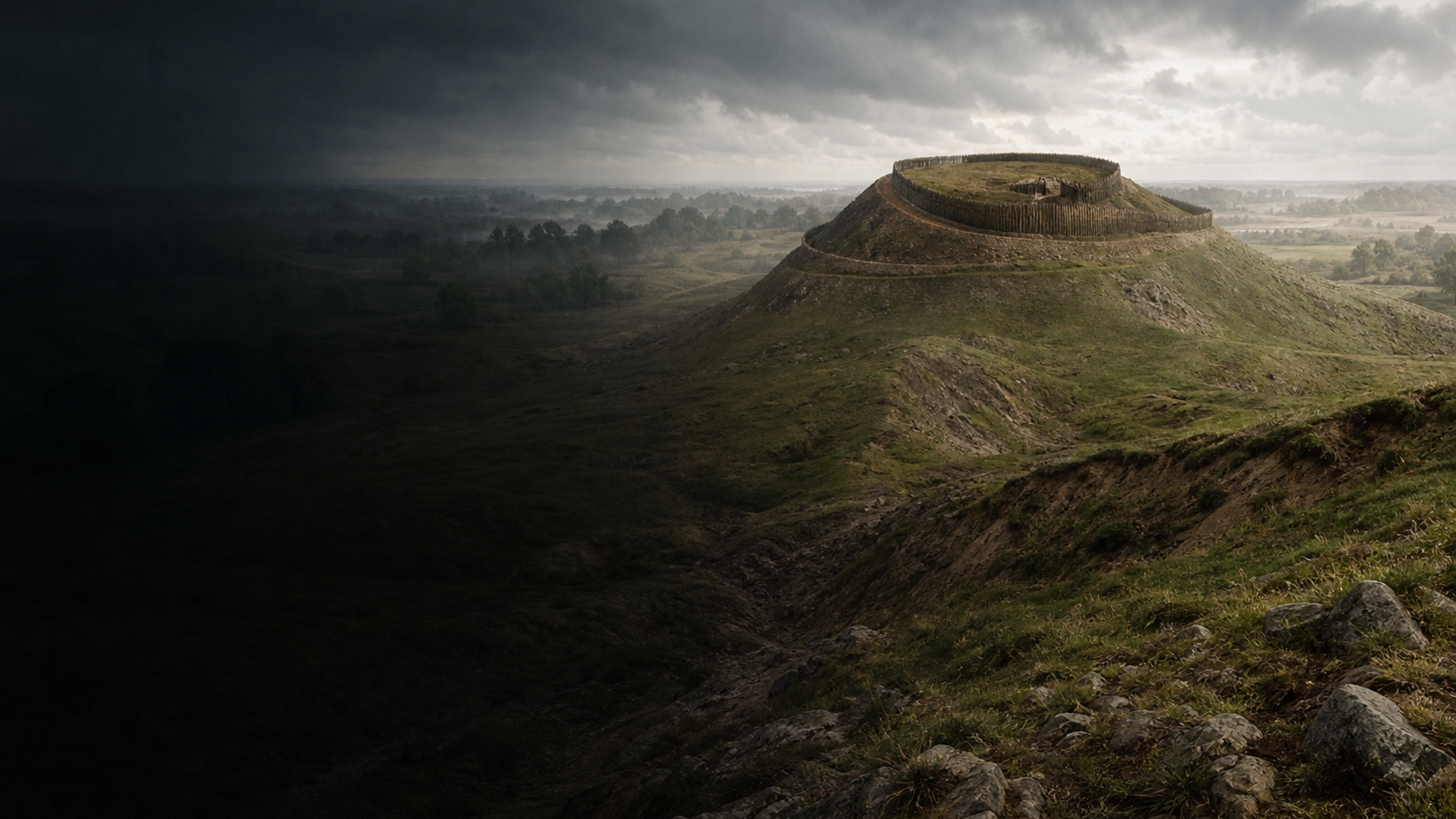
Beneath the rolling fields of Greater Poland, the Dziekanowice site preserves layers of human activity. The material culture in the region is linked archaeologically to the long-lived Dziekanowice tradition of the Iron Age, but the seven radiocarbon-dated individuals from Dziekanowice-22 fall much later, between 986 and 1200 CE. This temporal gap suggests the site was reused or continued as a ritual and burial place well into the medieval period.

Archaeological data indicates continuity of landscape use: settlement traces, burial pits, and artifact types recovered nearby echo earlier occupation patterns. Limited evidence suggests that local communities maintained funerary traditions even as political and social landscapes shifted in the early medieval centuries around Gniezno and Łubowo. The small number of samples here (n = 7) means interpretations of population continuity or replacement remain provisional; further sampling would be required to test hypotheses about long-term local descent or incoming groups.

  • Seven individuals dated to 986–1200 CE from Dziekanowice-22 (Gniezno, Łubowo).
  • Archaeological continuity with the Iron Age Dziekanowice cultural tradition is plausible but not proven.
  • Small sample size limits strong claims about population continuity.
Chapter IV

Daily Life & Society

The tangible traces from Dziekanowice—pottery sherds, ironworking residues in nearby contexts, and burial goods—paint a picture of everyday life lived at the hinge of agrarian rhythms and emerging medieval polities. Archaeological excavations in the Greater Poland region indicate mixed economies of cereal agriculture, animal husbandry, and craft specialization; trade routes centered on nearby Gniezno would have brought objects and ideas across the plains.

Grave architecture and orientation recorded at Dziekanowice-22 are modest: simple inhumations rather than lavish depositions. This material profile is consistent with rural parish or village communities in the 10th–12th centuries CE. Yet, the presence of both locally common artifacts and occasional exotic items hints at connections beyond the immediate landscape. Because the DNA sample set is small, linking specific social roles or migration events to individuals is speculative; however, combining burial context with genetic data allows us to imagine lives shaped by both local tradition and wider networks.

  • Material culture suggests rural, agrarian lifeways with craft activity nearby.
  • Modest graves indicate everyday community burials rather than elite monumentality.
Chapter V

Genetic Profile

Genetic results from the seven Dziekanowice-22 individuals form a striking two-part story. The mitochondrial DNA pool (H x3, K, W, U, HV) fits well within expected European maternal diversity for the medieval period. Haplogroups H, K, W, U and HV are commonly observed across Central and Northern Europe and are consistent with long-standing maternal lineages in the region.

By contrast, the reported Y-chromosome labels — S (2), M (2), PF (1), YP (1), I1 (1) — are unexpected for Central Europe. Haplogroups labeled S and M are typically associated with South and Southeast Asian or Oceanian populations in global phylogenies; their presence here is anomalous. Possible explanations include: rare male lineages introduced by long-distance mobility or trade; labeling or reference-mismatch in haplogroup assignment pipelines; or contamination and data limitations. The single I1 instance aligns with Northern European paternal ancestry and is archaeologically plausible. With only seven samples, any interpretation of male-line ancestry is preliminary. Further sequencing, reference reanalysis, and expanded sampling are essential to clarify whether these Y-lineages reflect genuine medieval gene flow into Greater Poland or technical/artifactual signals.

  • mtDNA profile matches typical medieval Central European maternal lineages.
  • Reported paternal haplogroups include unexpected S and M lineages; conclusions are tentative given n = 7.

Chapter VI

Legacy & Modern Connections

The Dziekanowice-22 individuals whisper of a living landscape where inherited local traditions met people and ideas filtered along medieval routes. The maternal continuity suggested by mtDNA echoes long-term female-line persistence in Central Europe, while the surprising Y-chromosome signals—if confirmed—might mark episodes of individual mobility or the complexities of medieval demographic change.

For modern ancestry seekers, these remains offer a cautionary tale: small, localized ancient DNA datasets can illuminate possibilities but rarely provide definitive narratives alone. Archaeology and genetics together build the most compelling stories when sample sizes grow and context is carefully preserved.

  • mtDNA suggests kinship with broader Central European maternal lineages.
  • Unexpected Y-DNA findings highlight the need for additional sampling and cautious interpretation.
AI 电源

AI 助手

就 Dziekanowice Echoes 文化提问

AI 助手 由DNAGENICS公司制作

解锁此特性
Ask questions about the Dziekanowice Echoes culture. Our AI assistant can explain genetic findings, historical context, archaeological evidence, and modern connections.
AI 样本分析

Dziekanowice Echoes 文化是人类历史中值得了解的一章……

遗传分析揭示了与早期种群的联系,同时显示了独特的适应和文化创新的证据。 古代DNA样本提供了对迁徙模式、社会结构以及古代种群之间的生物关系的深刻见解。

这是人工智能分析的预览。 解锁全AI 助手, 以探索关于:

  • 遗传组成和祖先
  • 移徙模式和起源
  • 日常生活和文化习俗
  • 现代遗传遗产

探索更古老的文化

揭开古代世界文明的故事

使用优惠码 可减免 35% • 11月12日 到期




