Early San Nicolas Islanders

下载的 PDF 是图像副本。如需可选中文本及更好的辅助技术支持,请使用打印功能。

Early San Nicolas Islanders

揭开一个失落的文明

正在加载考古记录……

正在收集古代记录

跳转到主内容
Early San Nicolas Islanders
文明焦点

Early San Nicolas Islanders

Maritime foragers of San Nicolas Island (3650–2200 BCE) with distinctive coastal DNA signals

3650 CE - 2200 BCE
San Nicolas Island, California, USA
滚动开始
Chapter I

剧情

了解 Early San Nicolas Islanders 文化

Archaeological and genetic evidence from 19 individuals on San Nicolas Island (3650–2200 BCE) reveals a maritime-adapted population dominated by mtDNA A2c and Y-DNA Q lineages, offering insights into early coastal peopling of southern California.

Time Period

3650–2200 BCE

Region

San Nicolas Island, California, USA

Common Y-DNA

Q (11), P (3), C (1)

Common mtDNA

A2c (15), A2 (4)

Chapter II

时间线

这种文化历史上的关键时刻

2500 BCE

Sustained island occupation

Archaeological deposits indicate a period of sustained seasonal occupation and maritime subsistence on San Nicolas Island around 2500 BCE.

Chapter III

Origins & Emergence

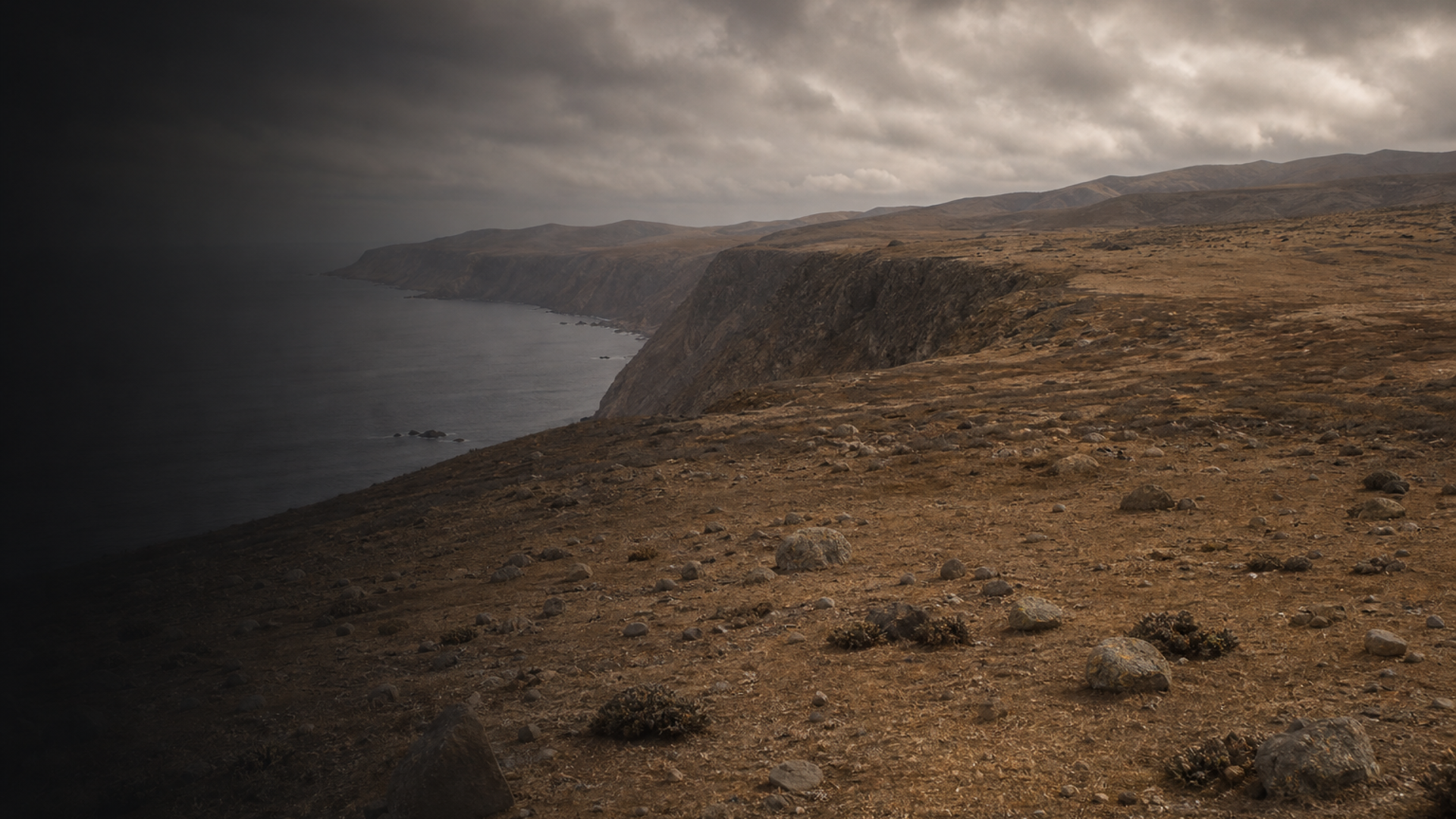
The Early San Nicolas community emerged along the wind-swept shores of San Nicolas Island between roughly 3650 and 2200 BCE. Archaeological data indicates repeated seasonal use of island landscapes: shell middens, isolated hearth features, and burial deposits attest to a long-term maritime focus. The island setting emphasizes seafaring, shoreline foraging, and intimate knowledge of marine resources — fish, shellfish, and sea mammals — rather than agriculture.

Genetically, the assemblage of 19 sampled individuals reveals a tight maternal signature dominated by mtDNA A2c, a lineage known in coastal North America, while Y-DNA is mainly Q with lesser counts of P and C. These patterns are consistent with populations that maintained local continuity on the islands while remaining connected to broader coastal networks.

Limited evidence suggests that population size was small and demographically constrained by island ecology. Archaeological data indicates mobility between islands and the mainland was possible and likely episodic. While the sample of 19 provides a valuable window, geographic concentration on a single island means broader regional generalizations should be made cautiously. Ongoing excavations and comparative sampling from nearby Channel Islands and mainland California are needed to refine models of origin and connections.

  • Occupation dated c. 3650–2200 BCE based on stratified contexts
  • Island economy centered on maritime foraging and seafaring
  • Genetic continuity suggested by dominant mtDNA A2c
Chapter IV

Daily Life & Society

Life on San Nicolas Island was orchestrated by tide and season. Archaeological remains — dense shell middens, fish bone concentrations, worked stone tools, and probable boat-related artifacts — point to skilled kelp-forest fishing, shellfish gathering, and the hunting of pinnipeds from boats or shoreline ambush. Hearths and ephemeral structures inferred from features suggest seasonal encampments rather than large permanent villages, appropriate for a resource-rich but spatially limited island.

Social organization can be tentatively reconstructed from burial practice and artifact distributions. Burials found in discrete contexts imply care for the dead and possibly small kin groups occupying specific locales. Material culture shows both localized styles and elements that parallel mainland traditions, consistent with intermittent exchange or mobility. Limited evidence leaves open questions about social hierarchy, ritual complexity, and craft specialization; such interpretations remain provisional until larger comparative datasets are available.

Environmental constraints — freshwater availability, storm events, and island size — likely shaped population density, mobility strategies, and social networks with nearby islands and the California coast.

  • Maritime specialization: fishing, shellfish, and marine mammal use
  • Seasonal encampments and small kin-based groups inferred
Chapter V

Genetic Profile

The DNA dataset from 19 individuals on San Nicolas Island provides a clear but locally focused genetic portrait. Mitochondrial DNA is overwhelmingly A2c (15/19) with the remaining four as A2 — maternal lineages associated with Indigenous peoples of the North American west coast. On the paternal side, Y-DNA is dominated by haplogroup Q (11 individuals), with smaller counts of P (3) and C (1). These results indicate strong maternal continuity and a predominance of Q-related paternal ancestry typical of many Native American contexts.

The heavy presence of A2c suggests either a founder effect, prolonged island isolation, or both. This mitochondrial homogeneity can occur when small island populations persist over multiple generations with limited incoming maternal lineages. Y-DNA diversity, while still mainly Q, shows some variation that could reflect male-mediated gene flow from neighboring islands or the mainland. Archaeogenetic comparisons with other Channel Islands and southern California mainland samples are necessary to determine whether the San Nicolas pattern is island-specific or part of a wider coastal demographic signal.

Because the dataset is geographically concentrated, conclusions about broader migration routes or timing should be cautious. Nonetheless, the genetic evidence meshes with the archaeological picture of enduring coastal forager communities with ties across the southern California seascape.

  • mtDNA overwhelmingly A2c (15/19) indicating strong maternal continuity
  • Y-DNA dominated by Q, with some P and C — hinting at limited male-mediated contacts
Chapter VI

Legacy & Modern Connections

Archaeological and genetic traces from Early San Nicolas Islanders resonate with living Indigenous histories of the southern California coast. The dominance of A2c and presence of Q link these islanders to broader coastal genetic lineages found among Indigenous communities in the region. Such connections underscore long-term human adaptation to marine environments and the persistence of cultural practices shaped by the sea.

Modern descendants and regional Indigenous groups may share ancestral ties with these ancient island populations, but establishing direct lineage requires careful collaboration, ethical consultation, and expanded sampling. Limited geographic scope of current samples means we must treat links as suggestive rather than definitive. Respectful engagement with descendant communities, combined with additional archaeological and genomic work, will help clarify the living legacies of San Nicolas Island’s ancient people.

  • Genetic links to coastal Indigenous lineages in southern California
  • Further study and community collaboration needed to map direct descent
AI 电源

AI 助手

就 Early San Nicolas Islanders 文化提问

AI 助手 由DNAGENICS公司制作

解锁此特性
Ask questions about the Early San Nicolas Islanders culture. Our AI assistant can explain genetic findings, historical context, archaeological evidence, and modern connections.
AI 样本分析

Early San Nicolas Islanders 文化是人类历史中值得了解的一章……

遗传分析揭示了与早期种群的联系,同时显示了独特的适应和文化创新的证据。 古代DNA样本提供了对迁徙模式、社会结构以及古代种群之间的生物关系的深刻见解。

这是人工智能分析的预览。 解锁全AI 助手, 以探索关于:

  • 遗传组成和祖先
  • 移徙模式和起源
  • 日常生活和文化习俗
  • 现代遗传遗产

探索更古老的文化

揭开古代世界文明的故事

使用优惠码 可减免 35% • 11月12日 到期