East Yorkshire — Middle Iron Age Echoes

下载的 PDF 是图像副本。如需可选中文本及更好的辅助技术支持,请使用打印功能。

East Yorkshire — Middle Iron Age Echoes

揭开一个失落的文明

正在加载考古记录……

正在收集古代记录

跳转到主内容
East Yorkshire — Middle Iron Age Echoes
文明焦点

East Yorkshire — Middle Iron Age Echoes

Archaeology and ancient DNA from Pocklington and Thornholme illuminate local Iron Age lives

409 CE - 201 BCE
East Riding of Yorkshire, United Kingdom
滚动开始
Chapter I

剧情

了解 East Yorkshire — Middle Iron Age Echoes 文化

Middle Iron Age communities (409–201 BCE) in East Yorkshire are visible through burials at Pocklington and field finds at Thornholme. Four ancient genomes reveal maternal diversity and a single broad R paternal lineage — intriguing, but preliminary given the small sample size.

Time Period

409–201 BCE

Region

East Riding of Yorkshire, United Kingdom

Common Y-DNA

R (1)

Common mtDNA

K (2), J (1), H (1)

Chapter II

时间线

这种文化历史上的关键时刻

300 BCE

Middle Iron Age life in East Yorkshire

Archaeological data indicates established farming communities, varied burial practices, and coastal exchange networks in East Yorkshire around 300 BCE.

Chapter III

Origins & Emergence

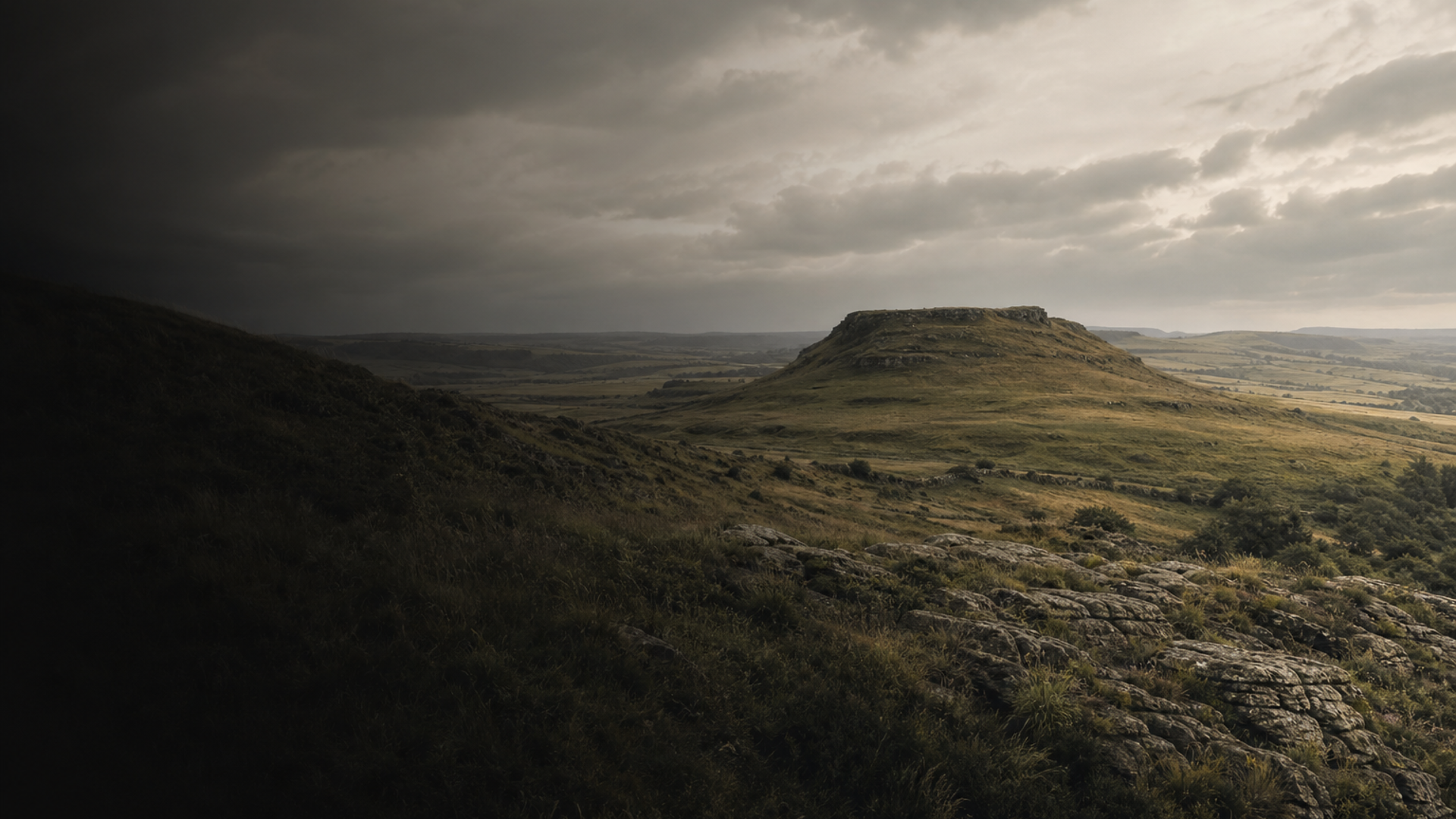
A cool, wind-swept landscape along the Humber estuary framed the rise of Middle Iron Age life in East Yorkshire. Archaeological data indicates that by the 5th–3rd centuries BCE communities here were practicing settled agriculture, constructing timber roundhouses, and developing distinct burial traditions. The date range represented by the sampled individuals (409–201 BCE) places them squarely within the Middle Iron Age horizon, a period when local traditions interwove with continental influences carried by seafaring trade networks.

Limited evidence suggests continuity with earlier Late Bronze Age practices, while certain artifact types hint at connections across the North Sea. Material culture shows variation at local cemetery and settlement contexts: some graves contain carefully arranged goods that imply social differentiation, whereas other deposits are modest. Pocklington (Burnby Lane) and Thornholme (East Coast Pipeline, field 16) provide the archaeological anchor points for these genomes, but the small number of well-preserved human remains from this area means that broader narratives about migration or rapid cultural change remain speculative.

Careful comparison with larger regional datasets is necessary to distinguish long-term local development from episodic contact or elite emulation. For now, the picture is of rooted communities engaging with wider Iron Age landscapes while retaining recognizable local practices.

  • Middle Iron Age context: 409–201 BCE
  • Sites: Pocklington (Burnby Lane) and Thornholme (East Coast Pipeline, field 16)
  • Evidence of local continuity with some continental contacts
Chapter IV

Daily Life & Society

Daily life in East Yorkshire's Middle Iron Age would have been textured by the rhythms of fields, estuary tides, and seasonal craft. Archaeological data indicates mixed farming (cattle, sheep, cereals) as an economic backbone, while the Humber and nearby coasts facilitated exchange in raw materials and finished goods. Roundhouses and farmsteads clustered into small hamlets; occasional larger enclosures may have served as seasonal gathering places or loci of craft production.

Burial behavior reveals social nuance. Graves at Pocklington include both simple interments and more elaborate deposits, suggesting distinctions of age, gender, or status. Portable artifacts — pottery types, metalwork fragments, and personal ornaments — hint at a society attentive to display and identity. Wear patterns on tools and ecofacts reflect specialized tasks (textile production, metalworking, animal husbandry).

Archaeobotanical and zooarchaeological remains from the region point to a mixed diet augmented by riverine and coastal resources. Trade links with continental communities likely brought exotic objects and stylistic influences, but local forms and techniques remained resilient.

This was a lived landscape of hardworking households, seasonal mobility for resources, and growing social complexity; yet many details of everyday life remain hidden because of the fragmentary nature of the archaeological record.

  • Mixed farming, coastal resources, and small hamlet settlement patterns
  • Burials show social differentiation; artifacts indicate craft and exchange
Chapter V

Genetic Profile

Four ancient genomes from East Yorkshire (Pocklington and Thornholme) provide a narrow but valuable genetic window into Middle Iron Age people. Uniparental markers observed are: one individual carrying Y-chromosome lineage R, and mitochondrial haplogroups K (2 individuals), J (1), and H (1). These mtDNA haplogroups are commonly found across Europe and in modern British populations, while the broad R designation on the Y chromosome reflects a paternal lineage widely distributed in western Eurasia.

Important caveats: sample count is low (n=4), so patterns seen here are preliminary. Limited evidence suggests maternal diversity within a small community sample; the single R Y-lineage cannot represent paternal diversity across the region. Autosomal (genome-wide) ancestry — which more robustly captures mixture from Bronze Age Steppe-related groups, Neolithic farmers, and later contacts — is necessary to place these individuals within broader population dynamics. In many British Iron Age contexts, autosomal data show substantial continuity with Bronze Age populations tempered by regional variation; whether East Yorkshire follows that general trend is an open question pending more samples.

Genetic and archaeological data together hint at a community connected to wider northwestern European gene pools while maintaining local demographic signatures. Future sampling could reveal whether the patterns observed here are typical or exceptional.

  • Uniparental results: Y(R) = 1; mtDNA K = 2, J = 1, H = 1
  • Sample size small — conclusions about population history are preliminary
Chapter VI

Legacy & Modern Connections

The genetic echoes of East Yorkshire's Iron Age inhabitants resonate into the present in subtle ways. Mitochondrial haplogroups such as H, J, and K are still present in modern British populations, and broad Y-chromosome lineages of type R dominate male-line profiles in the region. Archaeological continuity in landscape use — field patterns, place-names, and rural settlement — also ties modern communities to deep past practices.

However, direct genealogical claims from these four genomes to living individuals are not warranted. Limited evidence suggests continuity at population scales rather than direct descent lines. The real power of combining archaeology with ancient DNA is to illuminate processes: migrations, continuity, social change, and connection. For East Yorkshire, the current data sketch a community integrated into Iron Age maritime and terrestrial networks, a legacy of cultural resilience and regional interaction that would shape the centuries to come.

  • Shared haplogroups indicate continuity at broad population scale
  • Genetic links are intriguing but not definitive given small sample size
AI 电源

AI 助手

就 East Yorkshire — Middle Iron Age Echoes 文化提问

AI 助手 由DNAGENICS公司制作

解锁此特性
Ask questions about the East Yorkshire — Middle Iron Age Echoes culture. Our AI assistant can explain genetic findings, historical context, archaeological evidence, and modern connections.
AI 样本分析

East Yorkshire — Middle Iron Age Echoes 文化是人类历史中值得了解的一章……

遗传分析揭示了与早期种群的联系,同时显示了独特的适应和文化创新的证据。 古代DNA样本提供了对迁徙模式、社会结构以及古代种群之间的生物关系的深刻见解。

这是人工智能分析的预览。 解锁全AI 助手, 以探索关于:

  • 遗传组成和祖先
  • 移徙模式和起源
  • 日常生活和文化习俗
  • 现代遗传遗产

探索更古老的文化

揭开古代世界文明的故事

使用优惠码 可减免 35% • 11月12日 到期




