Echoes of Modern Greece

下载的 PDF 是图像副本。如需可选中文本及更好的辅助技术支持,请使用打印功能。

Echoes of Modern Greece

揭开一个失落的文明

正在加载考古记录……

正在收集古代记录

跳转到主内容
Echoes of Modern Greece
文明焦点

Echoes of Modern Greece

A living landscape where archaeology and DNA illuminate continuity and change

2000 CE
Greece (Crete, Attica, Macedonia)
滚动开始
Chapter I

剧情

了解 Echoes of Modern Greece 文化

Archaeological evidence from sites across Greece, paired with 42 modern DNA samples (2000 CE), reveals threads of continuity and mobility in a landscape shaped by ancient cities, island networks, and historical migrations. Limited sample metadata constrains firm conclusions.

Time Period

2000 CE (modern)

Region

Greece (Crete, Attica, Macedonia)

Common Y-DNA

Not specified in dataset / varied in broader literature

Common mtDNA

Not specified in dataset / diverse maternal lineages typical

Chapter II

时间线

这种文化历史上的关键时刻

2500 BCE

Minoan palatial florescence

Minoan Crete sees palace-building and maritime expansion; archaeological traces at sites like Knossos and nearby settlements form an early strand in the Aegean cultural tapestry.

Chapter III

Origins & Emergence

From rocky coasts to bustling ports, Modern Greece is an accumulation of layered histories rather than a single origin story. Archaeological landscapes such as Preveliana (Irakleioy, Crete) and Psychro (Lassithi, Crete) sit amidst millennia of human occupation—Minoan palaces, Classical city-states, Byzantine basilicas, Ottoman neighborhoods—each leaving material traces in ceramics, architecture, and ritual spaces. In the cities of Athens and Thessaloniki, continuous urban occupation preserves strata of pottery, inscriptions, and built environments that speak to persistent settlement and repeated reinvention.

Archaeological data indicates patterns of continuity in settlement locations—harbors, fertile plains, defensible hills—while artifacts and building phases show episodic cultural change associated with trade, conquest, and internal transformation. Modern archaeological surveys and excavations emphasize the palimpsest quality of these places: foundations reused, stones reworked, rituals layered in the same sanctuaries. This layered record provides context for interpreting modern DNA: present-day genetic diversity reflects both deep-rooted local lineages and more recent arrivals from the Balkans, Anatolia, and beyond.

Limited evidence in any single site can lead to overgeneralization; regional synthesis is essential. Combining stratified archaeology with modern genetic sampling offers a cinematic view of people staying, moving, and remaking the Greek world across time.

  • Long-term occupation at coastal and inland hubs
  • Sites: Preveliana (Irakleioy), Psychro (Lassithi), Athens, Thessaloniki
  • Material culture shows continuity + episodic change
Chapter IV

Daily Life & Society

The daily life of modern Greek communities emerges from a dense weave of rural practices, maritime livelihoods, and urban professions. Archaeological remains suggest continuity in agricultural terraces, olive and grape cultivation, and artisanal crafts—pottery shapes, loom weights, and domestic installations persist through time, echoing techniques adapted from earlier periods. In urban centers such as Athens and Thessaloniki, archaeological street plans, markets, and public monuments reflect evolving civic life that anchors today’s neighborhoods.

Ethnographic parallels and historical records document household structures that blend family, work, and ritual. Traditional village architecture in Crete (seen around Preveliana and Lassithi) preserves courtyard houses, stone-built storage, and pathways that link terraces and communal spaces. These material traces correlate with cultural continuity in foodways, craft knowledge, and seasonal rhythms. At the same time, ports and trade networks introduced new goods, ideas, and people—visible in imported ceramics and altered ceramic assemblages—shaping social identities.

Archaeology frames the physical context for genetics: where communities remained locally rooted, maternal and paternal lineages can show long persistence; where trade and migration were intense, genetic diversity increases. Integrating household archaeology with DNA creates a fuller portrait of everyday lives across the Greek landscape.

  • Agricultural continuity: terraces, olive groves, vines
  • Urban and maritime practices preserved in stratified deposits
Chapter V

Genetic Profile

This dataset comprises 42 modern samples collected around 2000 CE from locations including Preveliana (Irakleioy, Crete), Psychro (Lassithi, Crete), Athens, and Thessaloniki. While 42 samples provide meaningful snapshots, they represent limited geographic and temporal coverage for making sweeping demographic claims; regional studies with broader sampling are necessary for robust population-level inference.
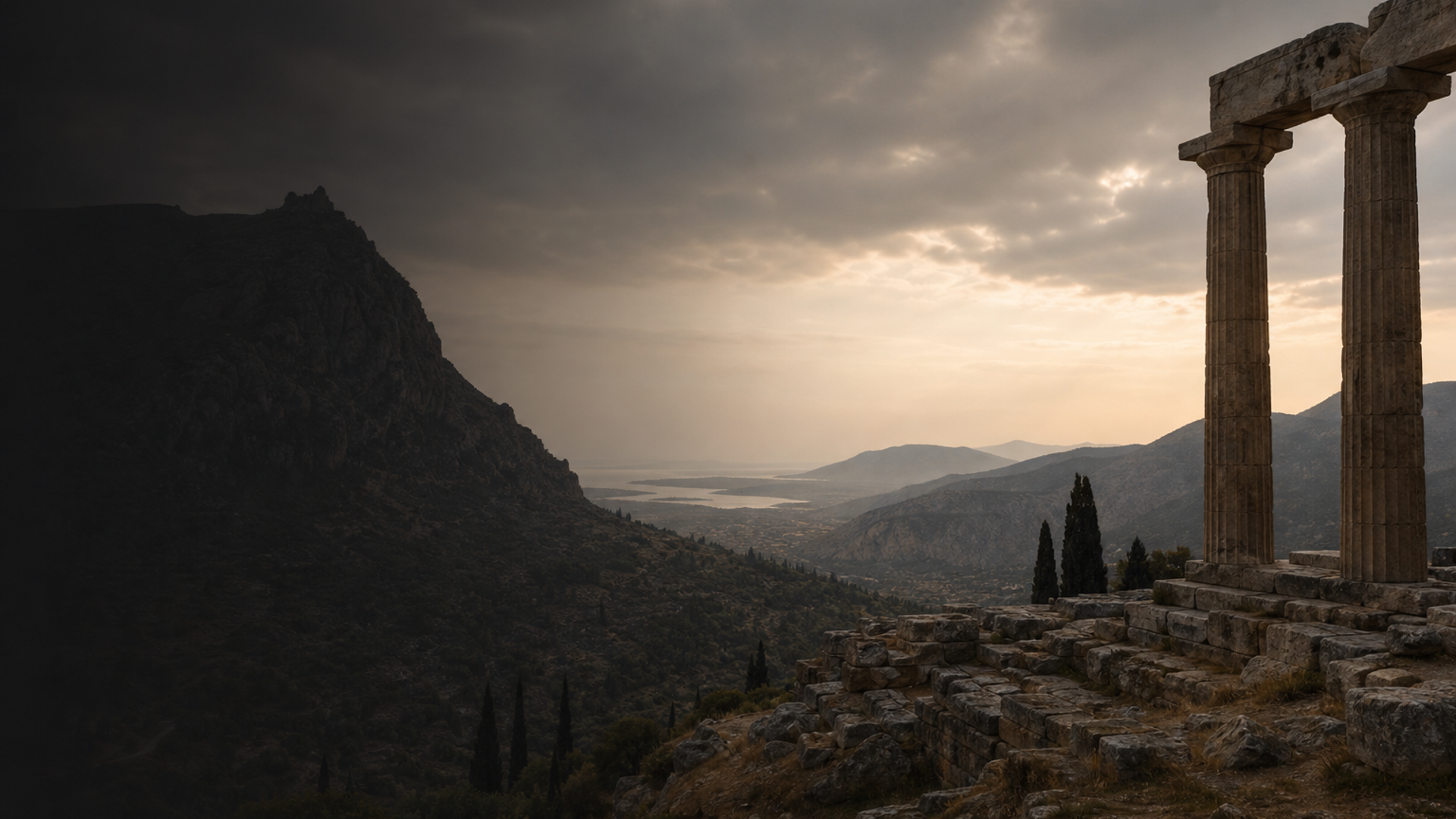
Archaeogenetic research more broadly shows that modern Greek populations typically reflect a mixture of deep local ancestry—traces of Neolithic farmers and Bronze Age Aegean inhabitants—combined with later genetic inputs from the Balkans, Anatolia, and Mediterranean neighbors. Because the input dataset did not specify common Y-DNA or mtDNA haplogroups, we refrain from assigning particular lineages to these 42 individuals. Instead, the archaeological context helps interpret genetic patterns: continuity of settlement sites suggests retention of local maternal and paternal lines in some rural areas, while port cities and historical migration routes correspond to higher genetic diversity.

Uncertainties remain: sample size, sampling locations, and lack of explicit haplogroup calls constrain interpretation. Future work that integrates genome-wide data, ancient DNA from archaeological layers at sites named here, and expanded modern sampling will clarify how modern Greek genomes map onto the archaeological palimpsest of the region.

  • Dataset: 42 modern samples (2000 CE) from Crete, Athens, Thessaloniki
  • Preliminary: archaeological continuity often matches genetic persistence, but admixture from historical migrations is evident
Chapter VI

Legacy & Modern Connections

The legacy of Greece is both material and genetic: stone, pottery, and street plans physically anchor communities, while genomes carry echoes of ancient movements and modern encounters. Archaeology shows how continuity of place—sacred hills, fertile valleys, and coastal hubs—has shaped cultural memory and local identities. Genetics complements that picture by revealing invisible lineages, admixture events, and the differential persistence of families and clans.

In museum galleries, fragments of amphorae or reused column drums evoke journeys across the Mediterranean; in the lab, DNA fragments tell parallel stories of kinship and mobility. Together they form a cinematic narrative: people rooted in familiar landscapes, yet always connected to wider networks. As analytical methods improve and sample sizes grow, the combined archaeological-genetic approach will refine our understanding of how modern Greeks inherit, transform, and transmit the past.

  • Material culture and places preserve cultural memory
  • Genetics reveals hidden kinship and historical mobility
AI 电源

AI 助手

就 Echoes of Modern Greece 文化提问

AI 助手 由DNAGENICS公司制作

解锁此特性
Ask questions about the Echoes of Modern Greece culture. Our AI assistant can explain genetic findings, historical context, archaeological evidence, and modern connections.
AI 样本分析

Echoes of Modern Greece 文化是人类历史中值得了解的一章……

遗传分析揭示了与早期种群的联系,同时显示了独特的适应和文化创新的证据。 古代DNA样本提供了对迁徙模式、社会结构以及古代种群之间的生物关系的深刻见解。

这是人工智能分析的预览。 解锁全AI 助手, 以探索关于:

  • 遗传组成和祖先
  • 移徙模式和起源
  • 日常生活和文化习俗
  • 现代遗传遗产

探索更古老的文化

揭开古代世界文明的故事

使用优惠码 可减免 35% • 11月12日 到期




