Echoes of Unetice: Poland, Early Bronze Age

下载的 PDF 是图像副本。如需可选中文本及更好的辅助技术支持,请使用打印功能。

Echoes of Unetice: Poland, Early Bronze Age

揭开一个失落的文明

正在加载考古记录……

正在收集古代记录

跳转到主内容
Echoes of Unetice: Poland, Early Bronze Age
文明焦点

Echoes of Unetice: Poland, Early Bronze Age

Five Unetice-period individuals from Polish sites illuminate archaeology and ancient DNA

2191 CE - 1691 BCE
Poland (Przeclawice, Wojkowice, Szczepankowice, Polwica, Chociwel)
滚动开始
Chapter I

剧情

了解 Echoes of Unetice: Poland, Early Bronze Age 文化

Five Early Bronze Age individuals (2191–1691 BCE) from Unetice sites in Poland connect burial landscapes and material culture to mitochondrial diversity, offering preliminary glimpses of population dynamics in Bronze Age Central Europe.

Time Period

2191–1691 BCE

Region

Poland (Przeclawice, Wojkowice, Szczepankowice, Polwica, Chociwel)

Common Y-DNA

Not reported (limited samples)

Common mtDNA

U (2), U4 (1), K (1), H (1)

Chapter II

时间线

这种文化历史上的关键时刻

2500 BCE

Unetice exchange networks flourish

Regional exchange of bronze and raw materials intensifies across Central Europe, underpinning social differentiation and shared material styles.

Chapter III

Origins & Emergence

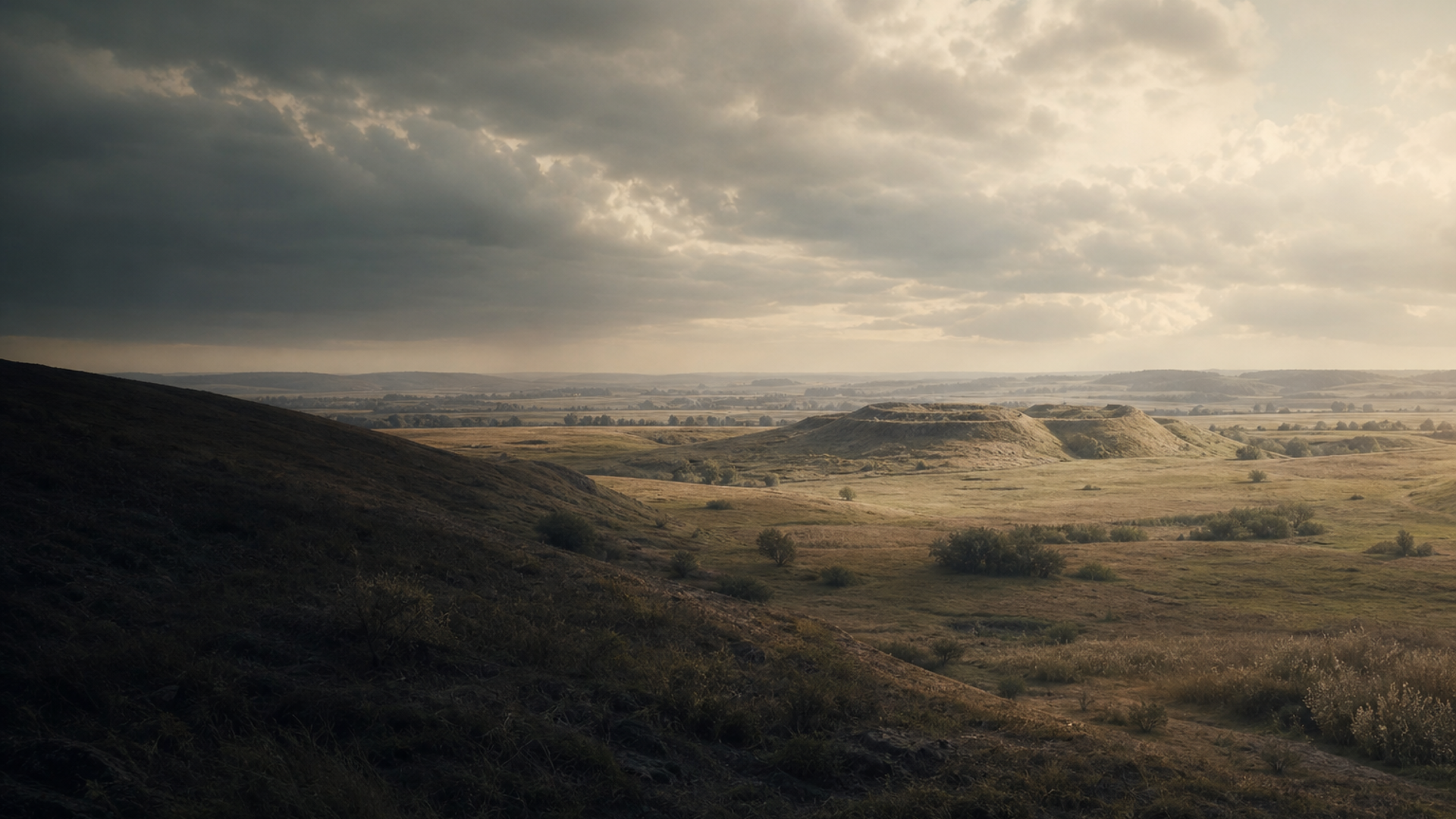
The Unetice phenomenon in Central Europe unfolds like a horizon of copper and bronze, visible in burial mounds, hoards and the spread of new metal technologies. In Poland, Early Bronze Age activity assigned to the Unetice cultural sphere dates broadly to the 3rd and early 2nd millennia BCE; the five genetic samples here span 2191–1691 BCE, a period when local Late Neolithic traditions met long-distance exchange networks.

Archaeological data indicates that Unetice communities in the Polish lowlands and uplands engaged in metallurgy, crafted standardized ornaments, and participated in regional exchange of raw materials such as tin and copper. Site names represented in this sample set—Przeclawice, Wojkowice, Szczepankowice, Polwica and Chociwel—map onto river valleys and arable landscapes where burials and hoards have been recovered. Limited evidence suggests social differentiation in mortuary treatment, with some individuals accompanied by prestige goods.

Genetically, these individuals are best interpreted against a backdrop of broader Central European Bronze Age transformations: the arrival of steppe-derived ancestry in preceding centuries reshaped genetic landscapes, while local Neolithic lineages persisted. Because only five samples are available, conclusions about population-level processes remain tentative; archaeological patterns and these genetic snapshots together hint at continuity and connectivity during the Unetice emergence.

  • Unetice technological horizon across Central Europe, 3rd–2nd mill. BCE
  • Polish samples dated 2191–1691 BCE from five named sites
  • Evidence for metallurgy, exchange networks and social differentiation
Chapter IV

Daily Life & Society

Daily life in Unetice communities balanced farming, craft production and long-distance exchange. Archaeological assemblages in the region show cereal agriculture, animal husbandry, and specialised workshops where bronze objects, pins and ornaments were produced or repaired. Metal goods and standardized forms point to skilled artisanship and perhaps itinerant specialists.

Settlements associated with Unetice are often small and dispersed; people lived in close relation to fields, rivers and woodland resources. Hoarding practices and cemetery architecture indicate ritualized behaviors—some burials receive rich grave goods, which likely signaled status, kin ties or craft specializations. The landscapes around Przeclawice and Szczepankowice would have been woven into seasonal routines of sowing, harvesting and resource procurement, while routes along rivers enabled exchange of raw ores and finished bronzes.

Archaeological data indicates variability across sites, suggesting diverse household economies rather than a single uniform lifestyle. Material culture—ceramics, tools and metalwork—serves as the primary record for daily practices; when paired with genetic data, these artifacts help identify whether communities were maintained through local continuity or renewed by migration.

Interpretations remain cautious: with five genetic samples, we can link individuals to sites and artifacts, but cannot yet reconstruct the full social mosaic of Unetice Poland.

  • Mixed farming, animal husbandry, and specialized bronze-working
  • Small settlements connected by riverine exchange and hoarding rituals
Chapter V

Genetic Profile

The Poland_EBA_Unetice dataset comprises five individuals dated between 2191 and 1691 BCE, recovered from Przeclawice, Wojkowice, Szczepankowice, Polwica and Chociwel. Mitochondrial haplogroups observed are U (2 individuals), U4 (1), K (1) and H (1). These mtDNA lineages include lineages widely present in European Neolithic and Bronze Age contexts: haplogroup U and its subclades are often associated with deep European maternal ancestry, while K and H appear in a variety of Neolithic and post‑Neolithic contexts.

Important caveats shape interpretation. First, Y‑chromosome haplogroups are not reported for these five samples, so paternal lineage patterns remain unknown. Second, a sample count of five is small: when sample count is low (<10), any population-level inference is preliminary. Archaeological context helps frame the genetic signal, but these five genomes represent isolated windows into community diversity rather than comprehensive snapshots.

Placed in the wider aDNA landscape, Central European Early Bronze Age groups frequently show substantial steppe-derived ancestry introduced centuries earlier during the Late Neolithic — a pattern linked in other studies to shifts in paternal lineages and mobility. While this broader pattern informs expectations, direct comparison requires more genomes from Polish Unetice contexts. Thus, current genetic data indicate mitochondrial continuity with European maternal lineages and underscore the need for additional sampling to resolve paternal and autosomal dynamics.

  • mtDNA: U (2), U4 (1), K (1), H (1)
  • Y-DNA: not reported for these five samples; broader Bronze Age shows steppe-related ancestry
Chapter VI

Legacy & Modern Connections

The Unetice world cast long shadows across the Bronze Age landscapes of Central Europe. Archaeologically, the culture contributed to standardizing metal forms and exchange networks that would shape later European craft traditions. Genetically, Early Bronze Age dynamics laid foundations for population structure in the region: maternal lineages preserved local continuity, while incoming ancestries reconfigured autosomal and paternal profiles in many areas.

Caution is essential when connecting ancient individuals to modern populations. Limited sampling (five individuals) prevents direct claims of continuity to present-day Poles. Instead, these genomes are best read as building blocks: each adds resolution to a complex tapestry of migration, admixture and local persistence. As more ancient DNA studies sample Unetice sites across Poland and neighboring regions, it will become possible to trace threads of ancestry into later Iron Age and historical populations with greater confidence.

  • Unetice contributed to Bronze Age metallurgy and exchange networks
  • Current genetic hints are preliminary; broader sampling needed for direct modern links
AI 电源

AI 助手

就 Echoes of Unetice: Poland, Early Bronze Age 文化提问

AI 助手 由DNAGENICS公司制作

解锁此特性
Ask questions about the Echoes of Unetice: Poland, Early Bronze Age culture. Our AI assistant can explain genetic findings, historical context, archaeological evidence, and modern connections.
AI 样本分析

Echoes of Unetice: Poland, Early Bronze Age 文化是人类历史中值得了解的一章……

遗传分析揭示了与早期种群的联系,同时显示了独特的适应和文化创新的证据。 古代DNA样本提供了对迁徙模式、社会结构以及古代种群之间的生物关系的深刻见解。

这是人工智能分析的预览。 解锁全AI 助手, 以探索关于:

  • 遗传组成和祖先
  • 移徙模式和起源
  • 日常生活和文化习俗
  • 现代遗传遗产

探索更古老的文化

揭开古代世界文明的故事

使用优惠码 可减免 35% • 11月12日 到期