Faces of Modern Nigeria

下载的 PDF 是图像副本。如需可选中文本及更好的辅助技术支持,请使用打印功能。

Faces of Modern Nigeria

揭开一个失落的文明

正在加载考古记录……

正在收集古代记录

跳转到主内容
Faces of Modern Nigeria
文明焦点

Faces of Modern Nigeria

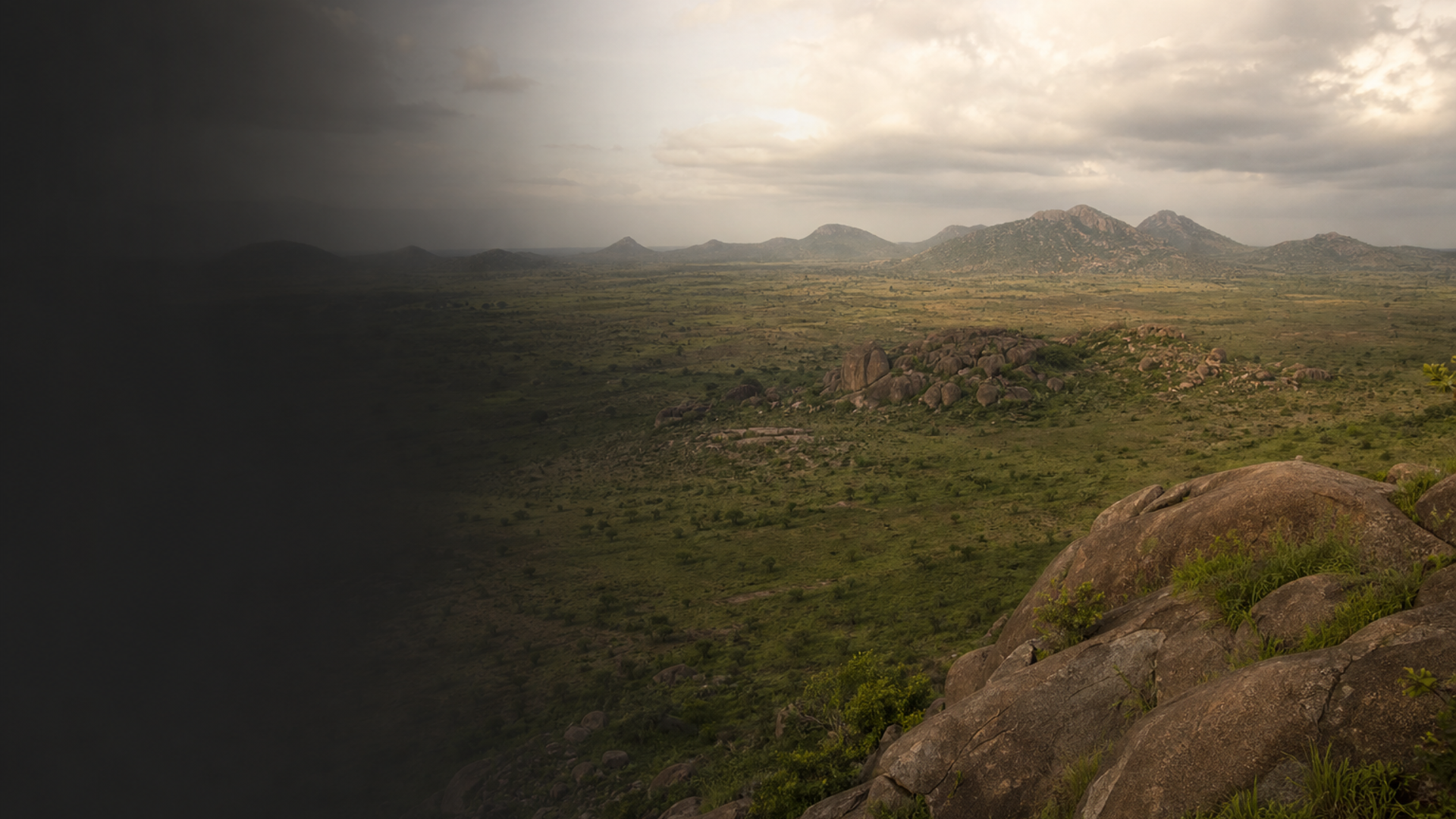
A cinematic look at living communities in Ibadan, Esan, and Kwamba Suleja through archaeology and DNA

2000 CE
Nigeria (Ibadan, Esan, Kwamba Suleja)
滚动开始
Chapter I

剧情

了解 Faces of Modern Nigeria 文化

Modern Nigerian communities (2000 CE): archaeological traces from Ibadan, Esan and Kwamba Suleja aligned with 271 contemporary DNA samples reveal patterns of continuity, mobility, and regional ancestry. Interpretations are robust but constrained by dataset scope and missing haplogroup annotations.

Time Period

2000 CE (contemporary)

Region

Nigeria (Ibadan, Esan, Kwamba Suleja)

Common Y-DNA

Not specified in dataset

Common mtDNA

Not specified in dataset

Chapter II

时间线

这种文化历史上的关键时刻

2000 CE

Contemporary sampling and sequencing

Collection and analysis of 271 modern Nigerian samples (Ibadan, Esan, Kwamba Suleja) provide a snapshot of present-day genetic variation tied to living communities.

Chapter III

Origins & Emergence

The modern communities sampled in this dataset—principally around Ibadan, Esan and Kwamba Suleja—are best understood as palimpsests: layers of settlement, trade, ritual and migration written into the urban soils and living memory. Archaeological survey and rescue excavations in southwestern Nigeria (for example around Ibadan) document longstanding habitation, market networks, and craft traditions that feed into today's cultural landscapes. Esan localities preserve village architectures and sacred landscapes that archaeologists interpret as durable social territories rather than transient camps.

Archaeological data indicates continuity in pottery styles, iron-working residues and settlement clustering, consistent with long-term sedentism and regional interaction. At the same time, oral histories and material culture reflect episodes of mobility — trade, marriage networks, and the founding of towns — that have reshaped local demographics within the last few centuries. The presence of Kwamba Suleja samples in the dataset highlights connections across ecological zones: from forested southwest corridors to interior savanna margins.

Limited evidence suggests these modern assemblages embody both deep local roots and ongoing admixture with neighboring groups. Where archaeology can map continuity and change in place, genetic data (when available) helps trace the movements of people and the reshaping of lineages across generations. Together, the lines in the soil and the lines in DNA form complementary stories of emergence: living cultures assembled through persistence, exchange, and adaptation.

  • Ibadan, Esan and Kwamba Suleja form a modern archaeological and genetic focus
  • Material culture shows long-term settlement and craft continuity
  • Evidence points to both local persistence and episodic mobility
Chapter IV

Daily Life & Society

Contemporary daily life in the sampled communities blends metropolitan rhythms and village-scale practices. In Ibadan, urban neighborhoods sit atop historical pathways and market traces; archaeological work has recorded house foundations, refuse middens and craft areas that mirror modern economic specializations. In Esan towns and surrounding villages, household compounds, ceremonial spaces and agricultural terraces preserve patterns of kin-based land use.

Archaeobotanical and zooarchaeological indicators from comparable West African contexts show reliance on mixed cultivation, yams, cereals and small livestock — economies that structure social life through seasonality and exchange. Material traces of metalworking and pottery production attest to household and workshop economies that sustain both daily needs and ritual life. Public festivals, market cycles and kin networks shape mobility: people move for marriage, trade, and work, leaving subtle sedimentary traces in both the archaeological record and genetic patterns.

Archaeological data indicates that modern settlement layouts and craft specializations are not new but are rooted in earlier forms of organization. Ethnographic observation complements this by revealing how memory, oral history and place-naming maintain continuity. Together with genetic sampling, these strands illuminate how identity and ancestry are lived, negotiated and transmitted across households and neighborhoods.

  • Urban and rural life shows continuity with historical craft and market systems
  • Household economies, kinship and mobility shape daily social networks
Chapter V

Genetic Profile

This dataset comprises 271 contemporary samples collected in Nigeria (locations include Ibadan, Esan, and Kwamba Suleja) and dated to 2000 CE. The sample size is substantial for population-level summaries, but the dataset as provided lacks explicit haplogroup annotations for both Y-DNA and mtDNA, which constrains definitive statements about lineage frequencies.

Regional genetic studies across West Africa commonly report high frequencies of Y-chromosome lineage E1b1a (often associated with Niger–Congo-speaking populations) and mitochondrial lineages in haplogroup L (L0–L6), which represent deep maternal ancestry in sub-Saharan Africa. These broad patterns provide a biologically plausible expectation for many Nigerian groups, including Yoruba and neighboring communities. However, without direct haplogroup calls or genome-wide summaries for the 271 samples, any assignment remains inferential.

Genetic data, when fully annotated, can illuminate fine-scale structure: patterns of relatedness within towns, signatures of recent migration (e.g., rural–urban influxes), and sex-biased mobility revealed by contrasting Y-DNA and mtDNA. For example, higher male-line homogeneity with diverse maternal lineages could indicate patrilocal residence and exogamous marriage practices. Conversely, mixed signals would point to elevated mobility for both sexes.

In short: the dataset's size allows meaningful population inference, but the absence of specified haplogroups requires caution. Future integration of detailed Y, mtDNA and autosomal data will sharpen connections between the archaeological landscape and genealogical history.

  • Dataset includes 271 samples from multiple Nigerian localities (2000 CE)
  • Haplogroup annotations not provided; regional expectations point to E1b1a (Y) and L lineages (mtDNA)
Chapter VI

Legacy & Modern Connections

The living cultures sampled here are both heirs to deep regional histories and active shapers of present-day identity. Archaeology preserves the material scaffolding — settlement plans, craft debris, and ritual spaces — while genetic data offers lineage-level continuity and signals of recent mobility. For public audiences and ancestry seekers, combining these records builds a richer, more nuanced story: not a single origin but many threads of connection.

Interpretation must be careful. Genetic ancestry estimates can illuminate broad affinities and recent migration, but they do not map neatly onto cultural identity or political belonging. Archaeological context helps temper genetic narratives by showing how place, practice and memory influence who is counted as kin. For communities in Ibadan, Esan and Kwamba Suleja, the legacy is living: traditions, languages and networks that reflect both ancient ties and ongoing exchange.

As genomic datasets expand and are paired with targeted archaeological research, ancestry platforms can offer users contextually grounded histories — emphasizing continuity, mobility, and the limits of inference — while respecting the complexities of identity.

  • Archaeology and genetics together deepen understanding of continuity and mobility
  • Genetic profiles should be presented with cultural and archaeological context to avoid overreach
AI 电源

AI 助手

就 Faces of Modern Nigeria 文化提问

AI 助手 由DNAGENICS公司制作

解锁此特性
Ask questions about the Faces of Modern Nigeria culture. Our AI assistant can explain genetic findings, historical context, archaeological evidence, and modern connections.
AI 样本分析

Faces of Modern Nigeria 文化是人类历史中值得了解的一章……

遗传分析揭示了与早期种群的联系,同时显示了独特的适应和文化创新的证据。 古代DNA样本提供了对迁徙模式、社会结构以及古代种群之间的生物关系的深刻见解。

这是人工智能分析的预览。 解锁全AI 助手, 以探索关于:

  • 遗传组成和祖先
  • 移徙模式和起源
  • 日常生活和文化习俗
  • 现代遗传遗产

探索更古老的文化

揭开古代世界文明的故事

使用优惠码 可减免 35% • 11月12日 到期




