Gârlești Dawn: Early Farmers of Dolj

下载的 PDF 是图像副本。如需可选中文本及更好的辅助技术支持,请使用打印功能。

Gârlești Dawn: Early Farmers of Dolj

揭开一个失落的文明

正在加载考古记录……

正在收集古代记录

跳转到主内容
Gârlești Dawn: Early Farmers of Dolj
文明焦点

Gârlești Dawn: Early Farmers of Dolj

Three Eneolithic-era individuals from Gârlești tie southern Romanian landscapes to early farmer maternal lineages.

5624 CE - 5376 BCE
Gârlești, Dolj County (Craiova), Romania
滚动开始
Chapter I

剧情

了解 Gârlești Dawn: Early Farmers of Dolj 文化

Human remains dated 5624–5376 BCE from Gârlești (Dolj County, Romania) reveal mtDNA lineages K and J1c in 3 samples. Archaeological context links to Sălcuța-related horizons. Small sample size makes genetic conclusions preliminary but evocative of Anatolian-derived Neolithic farmer ancestry.

Time Period

5624–5376 BCE

Region

Gârlești, Dolj County (Craiova), Romania

Common Y-DNA

Undetermined (limited data)

Common mtDNA

K, J1c (each observed in 1 of 3 samples)

Chapter II

时间线

这种文化历史上的关键时刻

5600 BCE

Occupation & Burial at Gârlești

Radiocarbon-dated human remains at Gârlești place occupation and burial activities around 5624–5376 BCE, reflecting early farmer presence in southern Romania.

Chapter III

Origins & Emergence

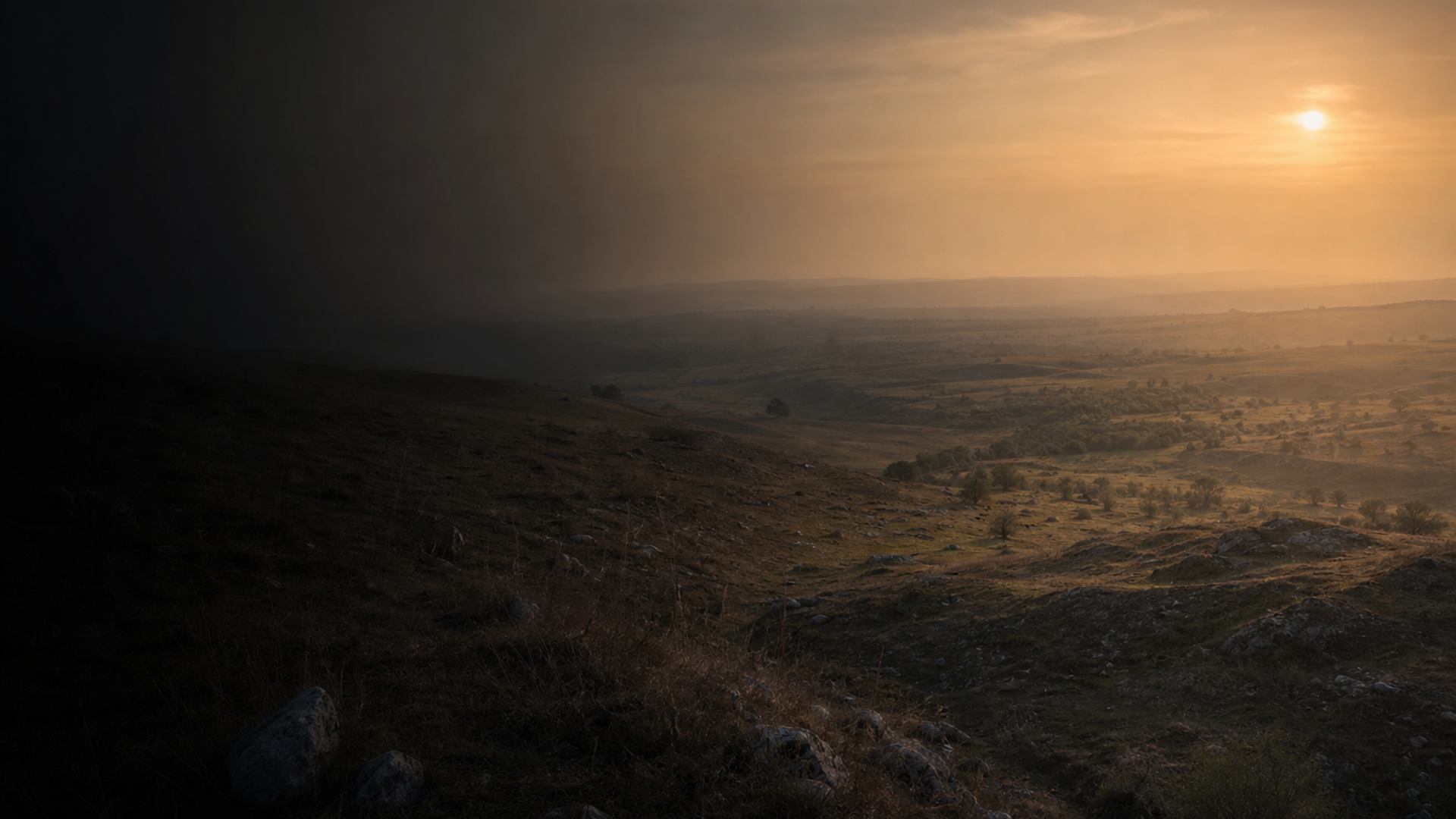
Beneath the loamy plains near Gârlești (Dolj County, near Craiova), the archaeological horizon dated between 5624 and 5376 BCE captures a moment when farming lifeways were weaving themselves into the Danubian landscape. Excavations at Gârlești have recovered human remains and associated material traces that, while limited in number, speak to the arrival and entrenchment of cultivated plants, domestic animals, and longhouse or pit-house architectures across southern Romania.

Archaeological data indicates cultural affinities with the broader Sălcuța-related traditions visible across the Lower Danube corridor, though the term “Sălcuța” covers a patchwork of local expressions and chronologies. Lithics, pottery fragments, and settlement patterns from the site suggest household-scale farming communities exploiting riverine floodplains and upland margins. Environmental reconstructions imply mixed farming economies with seasonal mobility for grazing and wild resource procurement.

Limited evidence suggests these communities were part of a larger movement of Anatolian-derived Neolithic farmer ancestry into Southeast Europe, but local continuity and admixture with indigenous forager groups must be considered. The archaeological record at Gârlești is evocative rather than definitive: walls of earth, charred seeds, and human bone together form a cinematic tableau of early Neolithic lives, but many questions about social organization and regional interaction remain open.

  • Site: Gârlești (Dolj County, near Craiova), Romania
  • Dates: 5624–5376 BCE (radiocarbon range for sampled individuals)
  • Cultural context: connected to local Sălcuța-related horizons; precise relationships remain debated
Chapter IV

Daily Life & Society

Imagine dawn mist lifting off the floodplain as people tend small domestic plots and herds. At Gârlești, material traces—pottery sherds, grinding stones, and occasional woven impressions—point to daily rhythms of grinding grain, repairing vessels, and preparing stews. Hearth features and charred botanical remains indicate cereal processing and storage practices consistent with early farming lifeways across the Balkans.

Households likely operated as flexible economic units. Animal bones show managed herds, while wild faunal remains attest to continued hunting and fishing. Ornamentation fragments hint at social signaling—beads, incised pottery, and simple personal items suggest identities articulated at the household and community level. Burial treatment at Gârlești is still insufficiently documented to propose a detailed death-ritual sequence; the three genetic samples derive from contexts that appear to be primary interments, but broader mortuary patterns require more excavation.
Trade and mobility probably connected Gârlești to neighboring valleys and the Danube corridor: exotic raw materials in some regional assemblages reveal long-distance exchange networks. Yet the full tapestry of social hierarchy, craft specialization, and ritual life remains shadowed by the small archaeological sample here, demanding cautious interpretation.

  • Economy: mixed farming with domesticated plants and animals, complemented by hunting/fishing
  • Social indicators: household artifacts and ornamental fragments suggest localized identity and exchange
Chapter V

Genetic Profile

Ancient DNA recovered from three individuals at Gârlești (dated 5624–5376 BCE) provides a tantalizing, if preliminary, genetic window into this early farming community. Two mitochondrial lineages are observed: mtDNA K and J1c (each identified in one individual; the third individual's mtDNA is also reported among these lineages). Both K and J1c are commonly associated with early Neolithic farmer populations in Europe and Anatolia, supporting an interpretation that maternal ancestry at Gârlești includes components linked to Anatolian-derived agricultural expansions.

Crucially, the total sample count is only three. This low n (<10) makes population-level inferences tentative: the presence of K and J1c suggests farmer-associated maternal ancestry but cannot quantify population structure, admixture proportions, or continuity. No consistent Y-DNA haplogroup signal is reported across these samples, so paternal lineage patterns remain undetermined for this micro-assemblage.

Archaeogenetic models for Southeast Europe typically show early farmers carrying mtDNA like K and J alongside varying amounts of local hunter-gatherer ancestry acquired through admixture. The Gârlești data are compatible with this broad pattern, but with three samples any claim about the community’s broader genetic makeup must remain provisional. Expanded sampling and genome-wide data would be required to resolve sex-biased admixture, kinship within burials, and links to later Sălcuța-associated populations.

  • mtDNA lineages observed: K and J1c (each in 1 of 3 samples)
  • Sample size is small (n=3); genetic conclusions are preliminary and require more data
Chapter VI

Legacy & Modern Connections

The echoes of Gârlești reach into the genetic patches of modern Europe: mtDNA lineages K and J1c persist at low frequencies in present-day populations, and their presence here ties the site into the long arc of Neolithic migrations that reshaped European demography. Archaeologically, Gârlești illuminates local expressions of early farming in the Lower Danube basin, a corridor that later cultures would traverse and transform.

However, the legacy must be described with caution. With only three ancient genomes, we cannot draw direct lines from these individuals to specific modern groups. Instead, Gârlești offers a cinematic snapshot—an intimate portrait of lives at the threshold of deep social change—and a call for further sampling. Future aDNA work, paired with broader excavations, will clarify how these early farmer communities contributed to the genetic and cultural mosaic of Romania and the Balkans.

  • mtDNA continuity: K and J1c link to maternal lineages that persist into later European populations
  • Caveat: small sample set limits direct connections to modern groups; further sampling needed
AI 电源

AI 助手

就 Gârlești Dawn: Early Farmers of Dolj 文化提问

AI 助手 由DNAGENICS公司制作

解锁此特性
Ask questions about the Gârlești Dawn: Early Farmers of Dolj culture. Our AI assistant can explain genetic findings, historical context, archaeological evidence, and modern connections.
AI 样本分析

Gârlești Dawn: Early Farmers of Dolj 文化是人类历史中值得了解的一章……

遗传分析揭示了与早期种群的联系,同时显示了独特的适应和文化创新的证据。 古代DNA样本提供了对迁徙模式、社会结构以及古代种群之间的生物关系的深刻见解。

这是人工智能分析的预览。 解锁全AI 助手, 以探索关于:

  • 遗传组成和祖先
  • 移徙模式和起源
  • 日常生活和文化习俗
  • 现代遗传遗产

探索更古老的文化

揭开古代世界文明的故事

使用优惠码 可减免 35% • 11月12日 到期




