Goleta Coast, 4800 BP

下载的 PDF 是图像副本。如需可选中文本及更好的辅助技术支持,请使用打印功能。

Goleta Coast, 4800 BP

揭开一个失落的文明

正在加载考古记录……

正在收集古代记录

跳转到主内容
Goleta Coast, 4800 BP
文明焦点

Goleta Coast, 4800 BP

A coastal foothold of early California life seen through bones, shells and DNA

3000 CE - 27004800 BCE
California, USA (Goleta, Santa Barbara County)
滚动开始
Chapter I

剧情

了解 Goleta Coast, 4800 BP 文化

Ancient remains from CA-SBA-52 (Goleta, Campbell No. 2) dated 3000–2700 BCE offer a preliminary genetic window into coastal California. Small-sample ancient DNA shows Y haplogroup Q and mtDNA D1/A, suggesting links to broader Native American lineages amid regional Chumash traditions.

Time Period

3000–2700 BCE (≈4800 BP)

Region

California, USA (Goleta, Santa Barbara County)

Common Y-DNA

Q (observed)

Common mtDNA

D1, A (observed)

Chapter II

时间线

这种文化历史上的关键时刻

2500 BCE

Coastal occupation at Goleta

Human presence at CA-SBA-52 reflects coastal subsistence and small-scale settlements between 3000–2700 BCE, as reflected in midden deposits and burials.

Chapter III

Origins & Emergence

Along the windswept shores of what is now Goleta, small coastal communities took shape in the millennia after the last glacial adjustments. Archaeological data from CA-SBA-52 (Campbell No. 2) — the site tied to this assemblage — places human activity between roughly 3000 and 2700 BCE. Material traces in nearby Santa Barbara County commonly include shell midden deposits, fire-cracked rock and flaked stone tools that together speak to a littoral economy: fishing, shellfish gathering and processing, and seasonally mobile resource use.

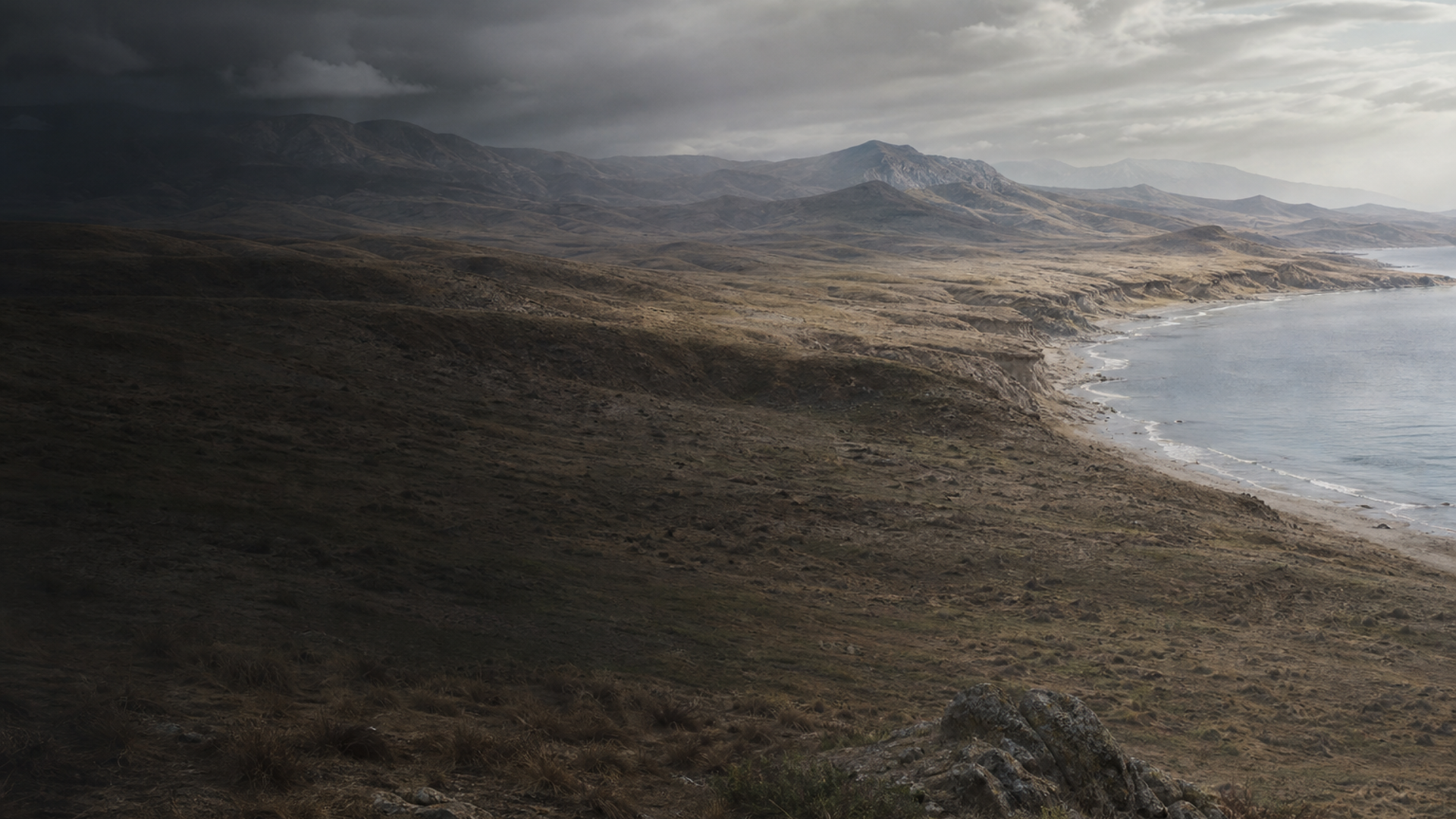
Genetic samples from this site are few but evocative. Limited evidence suggests a continuity of genetic markers that are often associated with Indigenous populations of the Pacific coast, which archaeology independently situates in long-term regional traditions later recognized as ancestral to Chumash groups. The cinematic landscape — tidepools, estuaries and a mosaic of oak and coastal scrub — frames a story of adaptation and rootedness.

Because only three ancient genomes underpin this profile, interpretations of population movements or cultural diffusion must remain cautious. Archaeological contexts indicate local lifeways familiar across coastal California, but the demographic picture is still fragmentary. Continued excavation and sequencing will be necessary to move from intriguing possibility to robust narrative.

  • Site: CA-SBA-52 (Goleta, Campbell No. 2)
  • Dates: ca. 3000–2700 BCE (≈4800 BP)
  • Context: coastal subsistence traditions linked to later Chumash lifeways
Chapter IV

Daily Life & Society

The daily pulse at an early Goleta shoreline settlement can be imagined from the residues left behind: layered shells, discarded bone, and worked stone. Archaeological data indicates reliance on marine resources—fish, shellfish and sea mammals—supplemented by terrestrial plants and small game. Ethnographic parallels from historic-period Chumash and neighboring groups suggest craft specialization such as shell-bead production, bone and antler tools, and the use of sewn watercraft, though direct evidence from CA-SBA-52 is limited.

Social life likely revolved around kin networks and seasonal rounds, with transportation and exchange along the coast fostering connections between coves and estuaries. Ritual landscapes and burial practices are archaeologically variable in coastal California; while this site's mortuary samples provided the genetic material analyzed, the small number of burials prevents broad claims about social hierarchy or population size.

Archaeological excavation continues to refine the picture: hearth features, tool production debris, and midden stratigraphy provide windows into household economies, but many details of craft, belief and mobility remain to be recovered and integrated with genetic insights.

  • Economy centered on marine harvesting and mixed terrestrial resources
  • Evidence suggests household-level craft and coastal exchange networks
Chapter V

Genetic Profile

Ancient DNA retrieved from three individuals at CA-SBA-52 offers a cautious but meaningful glimpse into the biological ancestry of the Goleta coast during 3000–2700 BCE. Two male-line Y-chromosome haplogroups were classified as Q (observed in two samples), a lineage broadly distributed among Indigenous peoples across the Americas and often associated with deep precontact ancestry on the continents. Mitochondrial results include two D1 haplotypes and one A haplotype — both D1 and A are part of the primary founding maternal lineages documented across Native American populations.
These genetic signals align with broader expectations for coastal California: continuity of pan-American founding lineages combined with regional structure. However, sample size is extremely small (n=3). Because fewer than ten individuals are represented, these patterns must be treated as preliminary. They do not capture the full genetic diversity that would have existed in the region, nor can they on their own resolve questions about migration timing, sex-biased gene flow, or micro-regional differentiation.

Where archaeology suggests long-term cultural continuity toward later Chumash societies, the DNA hints at biological continuity with continental Native American ancestry. Future sampling across temporal layers and neighboring sites will be critical to test models of local continuity, population replacement, or sustained interaction along the Pacific coast.

  • Y-DNA: Haplogroup Q observed in 2 individuals
  • mtDNA: D1 (2) and A (1); sample size (n=3) makes conclusions preliminary
Chapter VI

Legacy & Modern Connections

The genetic and archaeological traces from CA-SBA-52 form strands in a longer story of human presence on the California coast. Elements of the biological profile — Y haplogroup Q and mtDNA lineages D1 and A — are shared broadly with Indigenous peoples across the Americas, anchoring the Goleta individuals within continental ancestries that predate regional cultural distinctions. Archaeological affinities with shell-midden economies and craft traditions resonate with cultural continuities later associated with Chumash groups in Santa Barbara County.

Interpretation must be careful and collaborative: modern descendant communities hold essential perspectives and rights concerning ancestral remains and data. The preliminary ancient DNA results open avenues for dialogue about continuity, stewardship, and the deep time of coastal lifeways, but they are not conclusive. Responsible integration of genetics and archaeology, guided by local communities, will best illuminate how these 4800-year-old lives relate to living traditions.

  • Genetic markers tie these individuals to broader Native American lineages
  • Findings are preliminary; collaboration with descendant communities is vital
AI 电源

AI 助手

就 Goleta Coast, 4800 BP 文化提问

AI 助手 由DNAGENICS公司制作

解锁此特性
Ask questions about the Goleta Coast, 4800 BP culture. Our AI assistant can explain genetic findings, historical context, archaeological evidence, and modern connections.
AI 样本分析

Goleta Coast, 4800 BP 文化是人类历史中值得了解的一章……

遗传分析揭示了与早期种群的联系,同时显示了独特的适应和文化创新的证据。 古代DNA样本提供了对迁徙模式、社会结构以及古代种群之间的生物关系的深刻见解。

这是人工智能分析的预览。 解锁全AI 助手, 以探索关于:

  • 遗传组成和祖先
  • 移徙模式和起源
  • 日常生活和文化习俗
  • 现代遗传遗产

探索更古老的文化

揭开古代世界文明的故事

使用优惠码 可减免 35% • 11月12日 到期




