Iceland Before Conversion

下载的 PDF 是图像副本。如需可选中文本及更好的辅助技术支持,请使用打印功能。

Iceland Before Conversion

揭开一个失落的文明

正在加载考古记录……

正在收集古代记录

跳转到主内容
Iceland Before Conversion
文明焦点

Iceland Before Conversion

Echoes of Norse voyages and island life, seen through archaeology and DNA

850 CE - 1160 CE
Iceland (various northern sites)
滚动开始
Chapter I

剧情

了解 Iceland Before Conversion 文化

Archaeological sites across northern Iceland (850–1160 CE) reveal Norse settlement patterns and a mixed genetic heritage: predominantly R Y-DNA with diverse maternal lineages. Material culture and ancient DNA together illuminate migration, kinship, and maritime lifeways in Pre‑Christian Iceland.

Time Period

850–1160 CE

Region

Iceland (various northern sites)

Common Y-DNA

R (13), I (5), I1 (1)

Common mtDNA

H (6), U (4), K (4), J (3), H1 (2)

Chapter II

时间线

这种文化历史上的关键时刻

870 CE

Traditional Settlement Period

Archaeological and historical traditions place major initial settlement of Iceland in the late 9th century CE.

930 CE

Founding of the Althing

Establishment of the national assembly (Althing), marking early Icelandic political organization.

1000 CE

Conversion to Christianity

Official adoption of Christianity at the Althing, a major cultural transition in Icelandic society.

1160 CE

End of Sample Date Range

Upper bound of the dataset (1160 CE); archaeological and genetic records continue to evolve afterward.

Chapter III

Origins & Emergence

The island’s first sustained human presence brushes the horizon of the Viking Age. Settlement archaeology and place‑name evidence place colonization of Iceland in the late 9th and early 10th centuries CE (commonly c. 870–930 CE). Excavations at coastal farmsteads and burial sites — including Hrolfsstadir, Straumur, Smyrlaberg and Vatnsdalur — reveal longhouses, middens, boat‑related features and imported objects that trace trade and voyaging networks across the North Atlantic.

Ancient DNA from 24 individuals across these northern and north‑western sites provides a genetic layer to the story. The predominance of Y‑DNA labeled R (13/24) alongside I and I1 lineages supports a strong male contribution consistent with Norse voyagers, while maternal haplogroup diversity (H, U, K, J, H1) suggests multiple female source populations. Archaeological data indicates contacts with the British Isles (artefacts, certain burial practices), and the mtDNA mix is compatible with archaeological hints of Gaelic–Norse interaction.

Limited evidence and a modest sample size mean interpretations are provisional: regional sampling biases, taphonomic loss, and the 300‑year date span (850–1160 CE) all blur fine chronological changes. Nevertheless, when archaeology and DNA are read together, they form a vivid tableau of early Iceland as an island rapidly woven into North Atlantic networks by seafarers, settlers and their families.

  • Settlement mainly in late 9th–10th centuries (c. 870–930 CE)
  • Key sites: Hrolfsstadir, Straumur, Smyrlaberg, Vatnsdalur, Dalvik
  • Genetic mix hints at Norse male bias with diverse female origins
Chapter IV

Daily Life & Society

Life on medieval Iceland unfolded at the edge of the Atlantic: turf longhouses huddled against wind, sheep and cattle grazed volcanic outfields, and the sea threaded communities together. Archaeological layers from sites such as Silastadir, Brimnes and Fremri‑Svartardalur reveal hearths, bone assemblages dominated by sheep and marine mammals, and artefacts — combs, whetstones, iron tools — that speak of domestic craft and seafaring maintenance.

Burial evidence and settlement layout suggest kin‑based farmsteads with seasonal movements for grazing and fishing. The material culture is pragmatic yet cosmopolitan; imported goods and Norse‑style grave rites coexist with local adaptations to volcanic soil and a short growing season. Pollen and tephra records document climatic stressors and eruptions that periodically reshaped land use and settlement resilience.

DNA contributes social texture: patterns of Y‑chromosome homogeneity at particular farms can indicate patrilocal residence and multi‑generational male line continuity, while mitochondrial diversity across neighboring sites implies women moved between groups more often. These intersecting datasets let us imagine households that were both rooted in place and part of extensive maritime kin networks.

  • Economy: mixed pastoralism, seasonal fishing, seabird and marine resource use
  • Settlement: kin-based farmsteads with material links to broader North Atlantic trade
Chapter V

Genetic Profile

The genetic portrait of Pre‑Christian Iceland from these 24 samples is striking in its contrasts. On the paternal side, a plurality of R lineages (13 of 24) is consistent with a strong Norse male input; additional I (5) and I1 (1) Y‑haplogroups — common in Scandinavia and northern Europe — further support this interpretation. Because specific subclade resolution (e.g., R1a vs R1b) is not provided here, we remain cautious about precise geographic assignments.

Maternal lineages are more varied: haplogroups H (6), U (4), K (4), J (3), and H1 (2) together point to a blend of northern European and British‑Isles maternal ancestries. This suite of mtDNA types aligns with archaeological indications of Gaelic–Norse interaction and suggests that female ancestry in early Iceland drew from multiple source populations.

These patterns echo broader Viking Age ancient DNA studies that document sex‑biased migration: predominantly male colonists from Scandinavia paired with women from both Scandinavian and British‑Isles backgrounds. With 24 individuals, the signal is meaningful but not definitive: sampling is geographically clustered in northern sites and spans three centuries (850–1160 CE). Additional genomes, finer Y‑chromosome subtyping, and radiocarbon‑refined contexts would sharpen timelines of admixture and reveal whether genetic structure shifted during the settlement and conversion periods.

  • Paternal lineages dominated by R, with I/I1 present — consistent with Norse male settlers
  • Maternal haplogroup diversity suggests mixed female origins, including British Isles
Chapter VI

Legacy & Modern Connections

The archaeological remains and the DNA from Pre‑Christian Iceland form threads that continue into the modern gene pool and cultural memory. Modern Icelanders show substantial continuity with early settlers in both maternal and paternal lineages, a pattern that underlies studies of founder effects and distinctive allele frequencies in the population. Place names, sagas, and the material traces at sites like Ytra‑Gardshorn and Neori‑Tvera preserve the lived landscapes of these first communities.

But caution is necessary: 24 samples offer a regional snapshot rather than a complete demographic census. Genetic continuity is nuanced by later contacts, drift, and differential survival of lineages. When archaeology and genetics are woven together, however, they create a powerful narrative: an island forged by sea voyages, shaped by climatic challenge, and populated by interconnected families whose legacy endures in both DNA and story.
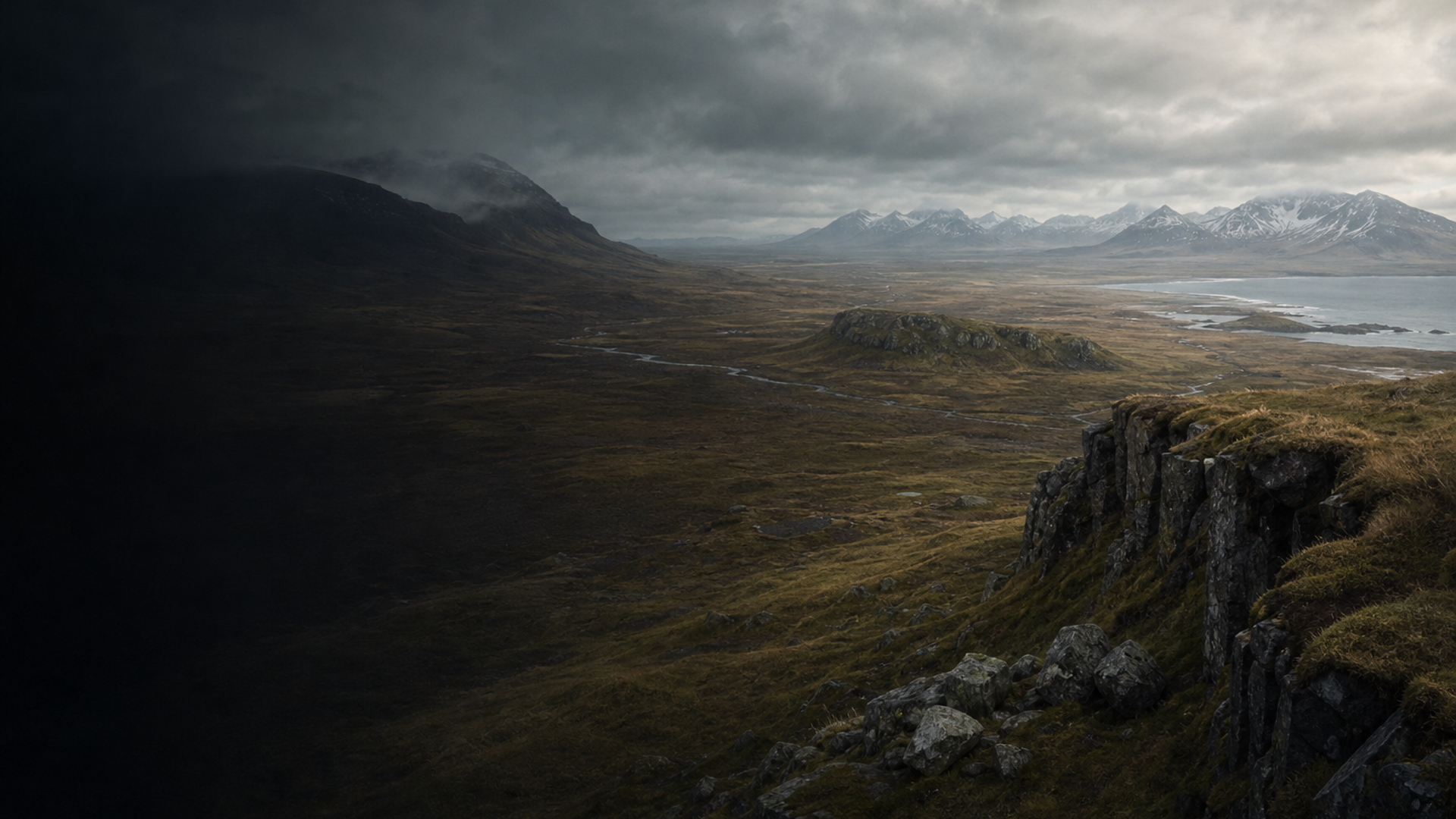

  • Modern Icelandic ancestry retains substantial continuity with early settlers
  • Findings highlight founder effects and the lasting imprint of North Atlantic colonization
AI 电源

AI 助手

就 Iceland Before Conversion 文化提问

AI 助手 由DNAGENICS公司制作

解锁此特性
Ask questions about the Iceland Before Conversion culture. Our AI assistant can explain genetic findings, historical context, archaeological evidence, and modern connections.
AI 样本分析

Iceland Before Conversion 文化是人类历史中值得了解的一章……

遗传分析揭示了与早期种群的联系,同时显示了独特的适应和文化创新的证据。 古代DNA样本提供了对迁徙模式、社会结构以及古代种群之间的生物关系的深刻见解。

这是人工智能分析的预览。 解锁全AI 助手, 以探索关于:

  • 遗传组成和祖先
  • 移徙模式和起源
  • 日常生活和文化习俗
  • 现代遗传遗产

探索更古老的文化

揭开古代世界文明的故事

使用优惠码 可减免 35% • 11月12日 到期




