Iron Age England: Somerset to the Fenlands

下载的 PDF 是图像副本。如需可选中文本及更好的辅助技术支持,请使用打印功能。

Iron Age England: Somerset to the Fenlands

揭开一个失落的文明

正在加载考古记录……

正在收集古代记录

跳转到主内容
Iron Age England: Somerset to the Fenlands
文明焦点

Iron Age England: Somerset to the Fenlands

A genetic and archaeological portrait of communities across England, 514–54 BCE

514 CE - 54 BCE
England (Somerset, Cambridgeshire, Kent, others)
滚动开始
Chapter I

剧情

了解 Iron Age England: Somerset to the Fenlands 文化

Archaeological and ancient-DNA evidence from 98 Middle Iron Age individuals across England (514–54 BCE) illuminates local communities from Somerset to Cambridgeshire, revealing male lineages dominated by haplogroup R and diverse maternal ancestry (H, U, T, J, K).

Time Period

514–54 BCE (Middle Iron Age)

Region

England (Somerset, Cambridgeshire, Kent, others)

Common Y-DNA

R (predominant), G, I

Common mtDNA

H, U, T, J, K

Chapter II

时间线

这种文化历史上的关键时刻

2500 BCE

Bell Beaker and Bronze Age transformations

Widespread Bronze Age movements and the Bell Beaker horizon (c.2500 BCE) set foundational genetic and cultural patterns—especially male-line dominance of R-associated lineages—that influence later Iron Age populations in Britain.

Chapter III

Origins & Emergence

The Middle Iron Age towns, farmsteads and marsh-edge villages represented by sites such as Meare Lake Village West (Somerset), Trumpington Meadows and Bradley Fen (Cambridgeshire), Carsington Pasture Cave (Derbyshire) and East Kent middens coalesced from long-standing Bronze Age landscapes. Archaeological data indicates continuity in land use — field systems, hilltop activity at Ham Hill, and wetland exploitation near Meare — while new material expressions of identity (iron use, pottery styles, roadside enclosures) mark a cultural horizon in the centuries before Roman contact.

Limited evidence suggests that some practices reflect increasing social differentiation: ditches, raised causeways and trackways at fen-edge settlements imply coordinated labor and access to distant resources. Radiocarbon dates and typological study place the sampled individuals between 514 and 54 BCE, a time of regional networks and local autonomy rather than a single, uniform polity. Excavations at Barton-Stacey and Brassington show house-platforms and cave use that speak to both domestic life and ritualized landscapes.

Archaeology alone cannot map every migration or marriage pattern; instead it provides a textured setting for genetic signals. Where material culture changes are abrupt, genetic data can help test whether those shifts reflected incoming people or the spread of ideas and trade. In the England_MIA dataset, the archaeological record frames genetic continuity with punctuated regional variation.

  • Sites span Somerset, Cambridgeshire, Kent, Hampshire, Derbyshire and West Yorkshire
  • Material culture shows both continuity from the Bronze Age and Iron Age innovations
  • Evidence of coordinated landscape labor and fen-edge communities
Chapter IV

Daily Life & Society

Daily life for communities represented by these sites was shaped by varied environments: raised gravel terraces, river valleys, chalk downs and wetlands. House platforms, hearths and pits recovered during excavations at Trumpington Meadows and Dibbles Farm suggest mixed farming—cattle and sheep, seasonal exploitation of wetlands for reeds and fish, and cereal cultivation. The presence of craft debris, ironworking residues and imported goods along routes such as the East Kent corridors points to specialized production and exchange.

Burial treatment in this period is regionally varied; some deposits are structured with grave goods, while others are sparse. Carsington Pasture Cave and Wattle Syke offer signals of localized ritual and memory landscapes. Social structure likely combined household-centric economies with wider kin and trade networks. Comparative evidence from hillfort peripheries and roadside enclosures suggests communities negotiated status through control of land, resources and long-distance ties in the late pre-Roman world.

Archaeological indicators of mobility—strap fittings, non-local pottery fabrics, and isotopic outliers in some burials—align with a picture of residence change and exchange, yet most people show local signatures. These findings set expectations for the genetic patterns observed in the DNA record: local continuity with episodes of incoming ancestry and individual mobility.

  • Mixed farming, wetland resource use, and local craft production
  • Regional diversity in burial practice and ritual sites
Chapter V

Genetic Profile

The England_MIA dataset comprises 98 individuals dated to 514–54 BCE from multiple English regions. Y-chromosome results are dominated by haplogroup R (48 samples), with small numbers of G (2) and I (1). Mitochondrial diversity is higher: H (25), U (18), T (10), J (9) and K (9) are common maternal lineages in the sample set.

These patterns suggest a strong presence of R-line male lineages during the Middle Iron Age in England, consistent with continuity from Bronze Age male-dominated lineages documented elsewhere in northwest Europe. Caution is required: the Y-results do not automatically identify specific subclades (e.g., precise R1b branches) without deeper sequencing, and autosomal genome-wide data are necessary to quantify admixture and regional structure. The relatively diverse mitochondrial pool indicates varied maternal ancestry, compatible with female mobility and complex marriage networks across the British Isles and continental neighbours.

Population structure appears regionally variegated rather than homogeneous. Some individuals show isotopic or material-culture evidence of non-local origins, echoing genetic signals of admixture seen in other Iron Age contexts. With 98 samples the dataset is robust enough to identify broad trends, but fine-scale inferences (micro-regional migration rates, elite-specific ancestry) remain preliminary without additional genomes and higher-resolution Y/mtDNA subclade data.

Overall, genetic data complements the archaeology: a landscape of local continuity layered with mobility, incoming connections, and diverse maternal lines.

  • Y-DNA dominated by R (48/98); G and I present in small numbers
  • mtDNA shows diverse maternal lineages (H, U, T, J, K)
Chapter VI

Legacy & Modern Connections

The people of Iron Age England left a biological and cultural legacy visible in the archaeological record and detectable in ancient DNA. The prevalence of haplogroup R among male lines echoes a broader northwest European pattern linked to Bronze Age demographic shifts; mitochondrial diversity hints at sustained ties—marriage, movement and exchange—across Britain and into continental Europe. These genetic threads are part of a long weave that contributes, in varying proportions, to the ancestry of later British populations.

Modern genetic landscapes cannot be read as simple reflections of any single ancient horizon: centuries of migration, conquest and social change followed the Middle Iron Age. Nevertheless, by integrating site-specific archaeology (Meare, Trumpington, Carsington) with genetic profiles, researchers can trace continuity of place, episodes of mobility, and the rhythms of everyday life that shaped later regional identities. Continued sampling, improved subclade resolution and complementary isotopic data will refine these connections and clarify which patterns persisted into the Roman and post-Roman eras.
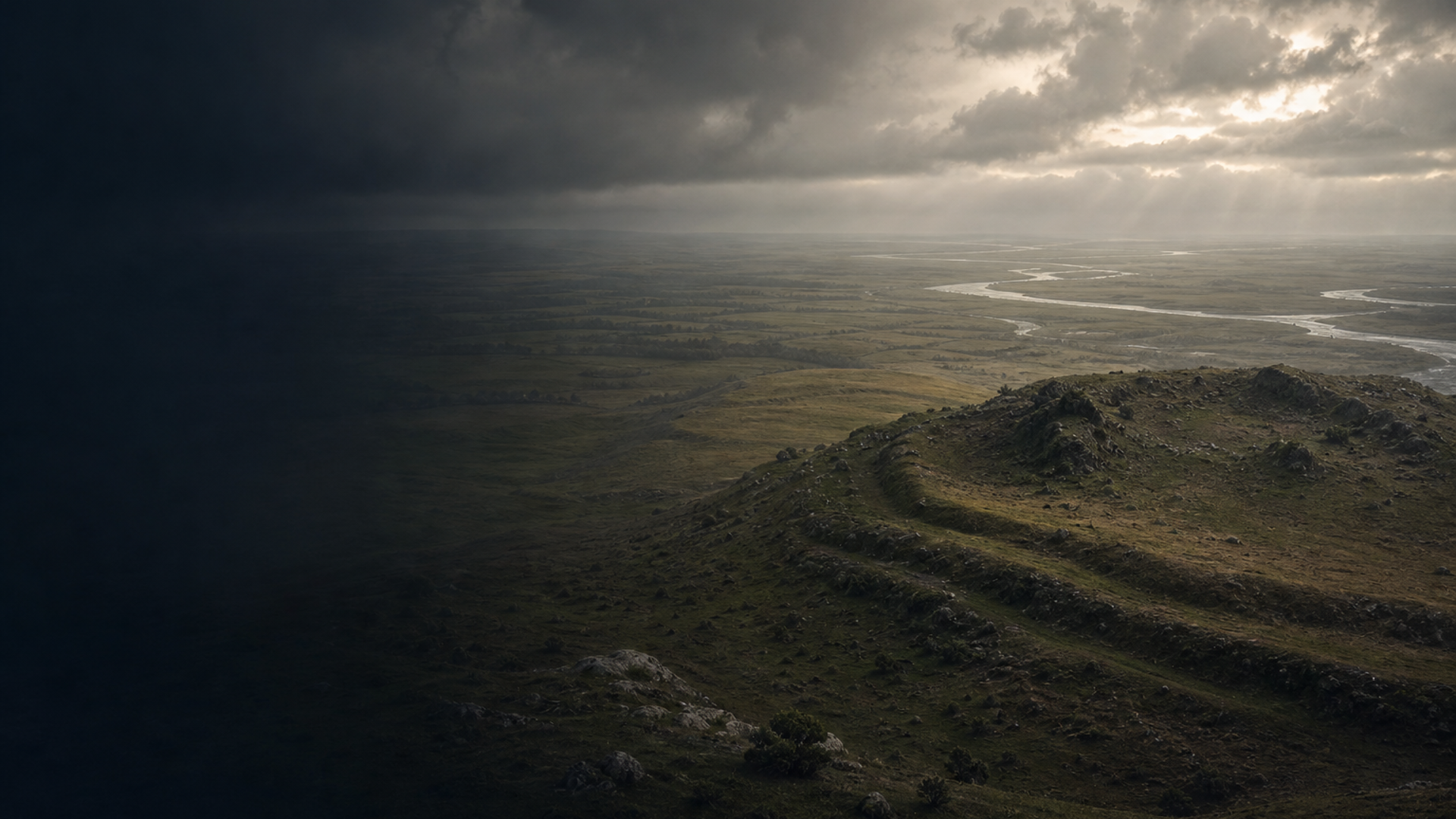
  • Genetic continuity with earlier Bronze Age male lineages, alongside maternal diversity
  • Archaeology + ancient DNA help trace local continuity and episodes of mobility
AI 电源

AI 助手

就 Iron Age England: Somerset to the Fenlands 文化提问

AI 助手 由DNAGENICS公司制作

解锁此特性
Ask questions about the Iron Age England: Somerset to the Fenlands culture. Our AI assistant can explain genetic findings, historical context, archaeological evidence, and modern connections.

AI 样本分析

Iron Age England: Somerset to the Fenlands 文化是人类历史中值得了解的一章……

遗传分析揭示了与早期种群的联系,同时显示了独特的适应和文化创新的证据。 古代DNA样本提供了对迁徙模式、社会结构以及古代种群之间的生物关系的深刻见解。

这是人工智能分析的预览。 解锁全AI 助手, 以探索关于:

  • 遗传组成和祖先
  • 移徙模式和起源
  • 日常生活和文化习俗
  • 现代遗传遗产

探索更古老的文化

揭开古代世界文明的故事

使用优惠码 可减免 35% • 11月12日 到期




