Iron Age Scotland: Broxmouth & Law Road

下载的 PDF 是图像副本。如需可选中文本及更好的辅助技术支持,请使用打印功能。

Iron Age Scotland: Broxmouth & Law Road

揭开一个失落的文明

正在加载考古记录……

正在收集古代记录

跳转到主内容
Iron Age Scotland: Broxmouth & Law Road
文明焦点

Iron Age Scotland: Broxmouth & Law Road

Seven Late Iron Age genomes from East Lothian reveal regional ancestry patterns

364 CE - 43 BCE
East Lothian, Scotland, United Kingdom
滚动开始
Chapter I

剧情

了解 Iron Age Scotland: Broxmouth & Law Road 文化

Ancient DNA from seven individuals (364–43 BCE) at Broxmouth and North Berwick (Law Road) offers a preliminary window into Middle–Late Iron Age Scotland. Genetic signals show predominance of Y-lineage R and maternal H; archaeological context points to fortified settlements and coastal lifeways.

Time Period

364–43 BCE (Late Iron Age)

Region

East Lothian, Scotland, United Kingdom

Common Y-DNA

R (5/7)

Common mtDNA

H (5/7), I2a (1/7), U (1/7)

Chapter II

时间线

这种文化历史上的关键时刻

364 BCE

Earliest sampled individual

One genome dated to 364 BCE provides the earliest direct genetic snapshot for this assemblage.

150 BCE

Hillfort occupation and community life

Archaeological evidence indicates active fortified settlements and agricultural communities in East Lothian during the later Iron Age.

43 BCE

Terminal sampled date and wider contact

The latest genome dates to 43 BCE, close to the period of increased contact with southern Britain and the approaching Roman era.

Chapter III

Origins & Emergence

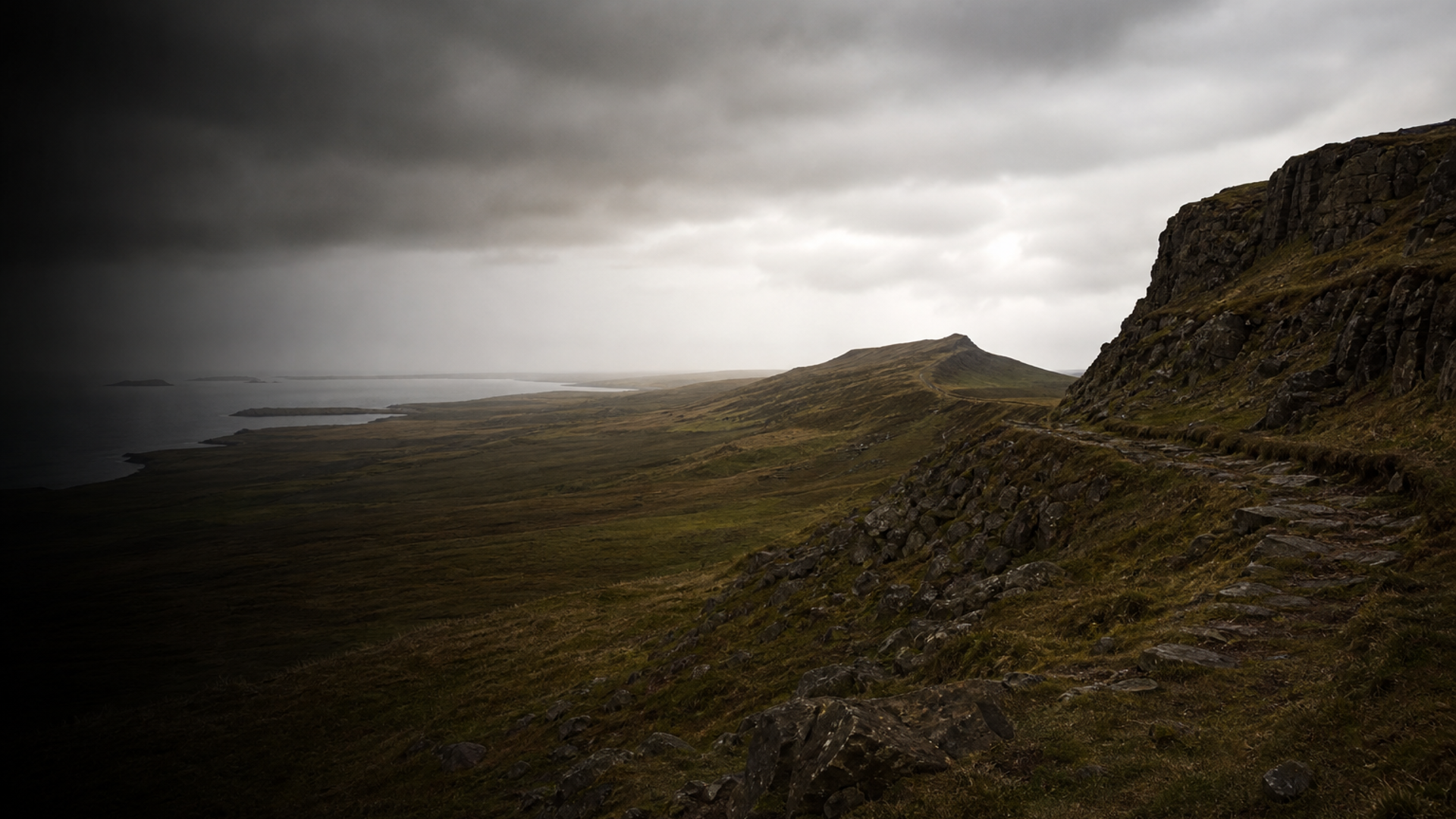
Carved into the windswept promontories of East Lothian, the communities represented at Broxmouth and Law Road belong to the tapestry of Middle to Late Iron Age Scotland (c. 4th–1st centuries BCE). Archaeological data indicates these places were hubs of fortified settlement and coastal interaction. Excavations at Broxmouth reveal substantial earthworks and domestic layers consistent with long-term occupation and defense; nearby North Berwick (Law Road) sits within a landscape of ridge-top sites and agricultural terraces that shaped local lifeways.

Genetically, the small assemblage (seven genomes) sits comfortably within broader western European Iron Age variation: five individuals carry Y-lineages reported as R, while a majority of mitochondrial genomes belong to haplogroup H. Limited evidence suggests maternal continuity in the region, while paternal lineages reflect the widespread presence of R-type lineages across Atlantic Britain. However, with only seven samples drawn from two close localities, conclusions about population origins and migration processes remain provisional.

Culturally, these communities fall into a contested historical picture: later sources reference groups such as the Picts in eastern Scotland, but direct one-to-one links between those ethnonyms and the archaeological record are debated. What is clear is a regionally rooted population engaged in coastal exchange networks and craft production, forming the local substratum later historical narratives would encounter.

  • Settlements at Broxmouth and Law Road date to the Middle–Late Iron Age
  • Fortified occupation and coastal interaction characterize the sites
  • Small sample size (7) makes population-level inferences preliminary
Chapter IV

Daily Life & Society

Life in Iron Age East Lothian unfolded against a stark, elemental backdrop — wind-swept fields, salty air, and the ever-present sea. Archaeological deposits at Broxmouth and nearby ridge-top sites show traces of domestic activity, storage, and craft debris that suggest mixed farming economies: cereal cultivation, stock-keeping, and exploitation of coastal resources. Hillfort-like defenses and substantial ramparts indicate organized communal labor and a need for protection, whether from rival groups or as status markers within a competitive landscape.

Material culture appears varied but functional: evidence for metalworking, pottery, and curated artifacts imply both household craftsmanship and access to wider exchange networks. Social organization likely combined kin-based households with community-level leaders who oversaw fortification works and managed local resources. Ritual and mortuary practices in the region are diverse; while the current genetic sample set derives from a small number of burials or contexts, archaeological indicators point to differentiated social roles and possibly long-term family ties in place.

Archaeobotanical and faunal remains (where recovered) hint at seasonal rhythms: sowing and harvest, grazing cycles, and coastal fishing or shellfish gathering. These daily patterns were the lived reality behind the monumental earthworks, weaving a society resilient to both climatic pressures and political change.

  • Mixed farming economy supplemented by coastal resources
  • Community labor produced fortifications and public works
Chapter V

Genetic Profile

The genetic portrait from Broxmouth and Law Road is compelling but cautious: seven genomes dated between 364 and 43 BCE show a clear skew toward paternal lineages labeled R (5 of 7) and a predominance of mitochondrial haplogroup H (5 of 7). These patterns align qualitatively with broader datasets from Iron Age western Europe where R-type Y-lineages and H-lineage mtDNA are common, suggesting continuity of certain paternal and maternal lineages in Atlantic Britain.

Important caveats accompany these observations. First, the sample count is small (<10), so demographic inferences are tentative and sensitive to sampling bias (for example, kin-related burials or single-community sampling). Second, one mitochondrial assignment is given as I2a — a designation more typically used for Y-chromosome clades — which may reflect low-resolution haplogroup calling or database-labeling differences; this highlights the need for deeper sequencing and updated haplogroup calling to resolve anomalies. A single U-lineage mtDNA individual adds to maternal diversity but cannot on its own indicate population structure.
Genomic affinities at the autosomal level (where sequenced) would help clarify local ancestry components: the balance between indigenous Mesolithic/Neolithic-derived ancestry and incoming Iron Age-associated gene flow. At present, the data suggest regional continuity with local variation, and emphasize the value of integrating archaeology (site context, burial practice) with genetics to reconstruct kinship, migration, and social organization. Future sampling across more sites and time depths will be essential to move from evocative snapshots to robust demographic narratives.

  • Five of seven males carry Y-lineages labeled R — consistent with western Britain patterns
  • Mitochondrial H predominates (5/7); small sample size means conclusions are preliminary
Chapter VI

Legacy & Modern Connections

The genetic echoes from East Lothian reach into the present in measured tones. Haplogroup R paternal lineages and mitochondrial H are both common in modern Britain, and the Broxmouth/Law Road dataset suggests threads of continuity in the genetic fabric of eastern Scotland. Yet the dataset's small size and narrow geography require restraint: these seven genomes cannot define the ancestry of all later populations in Scotland.

Archaeologically, the fortified settlements and agricultural lifeways documented here form part of a long-term regional identity that would later encounter Roman influence and successive cultural transformations. For modern descendants and people tracing ancestry to Scotland, these genomes offer a direct — though preliminary — connection to people who lived on the same windswept headlands more than two millennia ago. Integrating additional ancient DNA from surrounding regions will help clarify how these local communities contributed to the broader demographic history of Britain.

  • Genetic patterns hint at continuity with modern British lineages, but evidence is limited
  • Broxmouth and Law Road reflect a regional Iron Age tradition that fed into later historical populations
AI 电源

AI 助手

就 Iron Age Scotland: Broxmouth & Law Road 文化提问

AI 助手 由DNAGENICS公司制作

解锁此特性
Ask questions about the Iron Age Scotland: Broxmouth & Law Road culture. Our AI assistant can explain genetic findings, historical context, archaeological evidence, and modern connections.
AI 样本分析

Iron Age Scotland: Broxmouth & Law Road 文化是人类历史中值得了解的一章……

遗传分析揭示了与早期种群的联系,同时显示了独特的适应和文化创新的证据。 古代DNA样本提供了对迁徙模式、社会结构以及古代种群之间的生物关系的深刻见解。

这是人工智能分析的预览。 解锁全AI 助手, 以探索关于:

  • 遗传组成和祖先
  • 移徙模式和起源
  • 日常生活和文化习俗
  • 现代遗传遗产

探索更古老的文化

揭开古代世界文明的故事

使用优惠码 可减免 35% • 11月12日 到期




