Kawésqar of the Strait of Magellan

下载的 PDF 是图像副本。如需可选中文本及更好的辅助技术支持,请使用打印功能。

Kawésqar of the Strait of Magellan

揭开一个失落的文明

正在加载考古记录……

正在收集古代记录

跳转到主内容
Kawésqar of the Strait of Magellan
文明焦点

Kawésqar of the Strait of Magellan

Seafaring foragers of Chilean fjords seen through 19th-century archaeology and DNA

1800 CE - 1900 CE
Strait of Magellan, Chile
滚动开始
Chapter I

剧情

了解 Kawésqar of the Strait of Magellan 文化

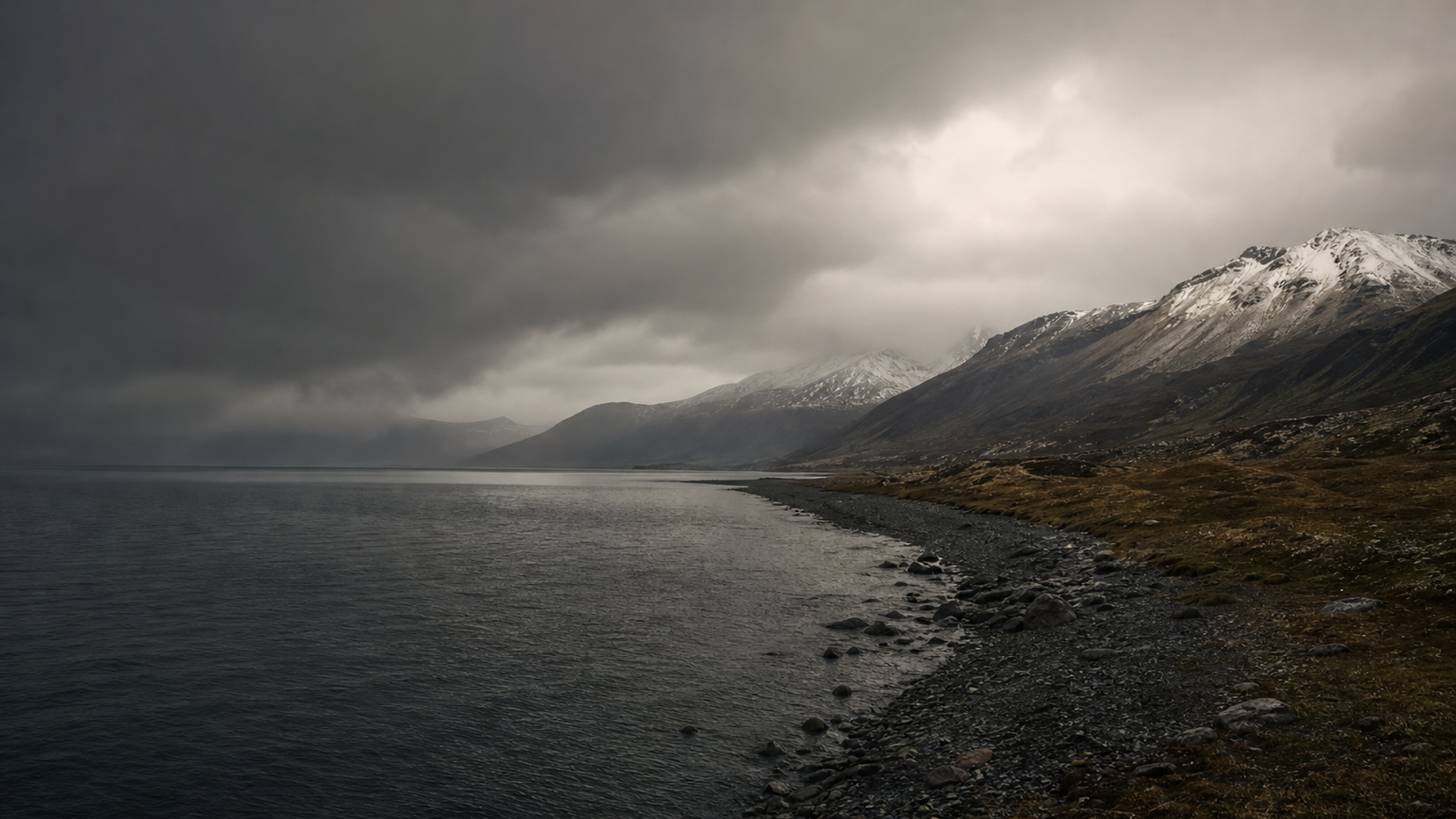
Portrait of the Kawésqar along the Strait of Magellan (1800–1900 CE). Archaeological and genetic snapshots (5 samples) highlight Indigenous mitochondrial lineages (mtDNA D) and paternal markers (Y Q, P), offering preliminary insights into coastal Patagonian continuity.

Time Period

1800–1900 CE

Region

Strait of Magellan, Chile

Common Y-DNA

Q (1), P (1)

Common mtDNA

D (4), D1g (1)

Chapter II

时间线

这种文化历史上的关键时刻

12000 BCE

Initial human presence in southern South America

Paleoindian groups reach southern Patagonia during the late Pleistocene/Holocene transition, setting the stage for later coastal adaptations.

5000 BCE

Development of maritime adaptations

Over the Holocene, coastal communities increase reliance on marine resources and watercraft in fjords and channels of southern Chile.

1520 CE

European contact begins in the region

First sustained European incursions bring new trade, diseases, and social disruption to coastal Patagonian peoples.

1850 CE

19th-century demographic stress and documentation

Missionization, labor recruitment, and epidemics reshape Kawésqar lifeways—this century corresponds to the dated DNA samples in the dataset.

Chapter III

Origins & Emergence

The Kawésqar emerged as highly specialized maritime peoples in the labyrinth of channels, fjords, and islands at the southern edge of South America. Archaeological traces — coastal camps, shell middens, and ephemeral sites recorded in the Strait of Magellan and adjacent Patagonian channels — suggest a long-term adaptation to a cold, marine-rich environment. Ethnohistoric records from the 18th and 19th centuries, including accounts from explorers and early naturalists around places such as Puerto Edén, describe small, mobile bands traveling in dugout canoes and living largely from sea mammals, fish, and seabirds.

Genetic samples dated to the 19th century (1800–1900 CE) provide a late snapshot of this lifeway. With only five genotyped individuals from the Strait of Magellan, conclusions about deeper origins remain tentative. Limited evidence suggests continuity with broader Indigenous Southern Cone maternal lineages (mtDNA D) and paternal markers commonly found among Native American populations (Y haplogroup Q). Archaeological data indicates that these maritime strategies were part of a regionally distinct adaptation that developed over the Holocene, but the small sample number makes any fine-grained demographic reconstruction preliminary.

  • Maritime adaptation in fjords and channels of southern Chile
  • Archaeological traces: coastal camps and shell middens
  • Genetic snapshot from 5 samples; interpretations remain preliminary
Chapter IV

Daily Life & Society

Life for the Kawésqar was written in salt and sea spray. Small kin networks moved by canoe between sheltered bays, relying on specialized craft, harpoons, and knowledge of tides and seasons. Archaeology and historic descriptions point to diets dominated by seals, sea lions, shellfish, fish, and seabirds, with seasonal rounds that minimized dependence on terrestrial resources. Portable material culture — paddles, composite tools, and clothing made from animal skins — left relatively sparse traces in the acidic soils of the channels, which helps explain the fragmentary archaeological record.

Social organization appears to have been flexible, with groups aggregating during resource abundance and dispersing in leaner seasons. European contact and the 19th-century incursions of missionization, wage labor, and disease disrupted settlement patterns and population size; the five genetic samples in this dataset come from the century when such pressures were intense. Archaeological data thus captures both a resilient maritime tradition and the stresses of rapid cultural change.

  • Small, mobile canoe-based bands exploiting marine resources
  • Material traces are often ephemeral; historic accounts complement archaeology
Chapter V

Genetic Profile

The DNA snapshot for Chile_StraitOfMagellan_Kawesqar_100BP comes from five individuals dated between 1800 and 1900 CE. Mitochondrial haplogroups are dominated by D lineages (4 samples), with one individual assigned to D1g. Maternal haplogroup D is widespread among Indigenous peoples of the Americas and its presence here aligns with regional maternal continuity. The D1g sublineage has been observed in southern South American contexts elsewhere, but with only one occurrence in this set, its local specificity is tentative.

On the paternal side, observed Y haplogroups include Q (1) and P (1). Y-haplogroup Q is a common founding lineage in the Americas; its presence is consistent with Indigenous paternal ancestry. The single P assignment is less common in published regional datasets and may reflect either a rare local lineage, incomplete resolution of the marker set, or classification uncertainty in low-coverage data. Importantly, no clear European-specific haplogroups are detected in these five samples, suggesting maternal and paternal Indigenous ancestry in this small cohort, but the sample count is below ten: all population-level inferences must be regarded as preliminary.

Taken together, the genetic signals broadly support continuity with Native South American lineages documented in Patagonia, while underscoring the need for larger, ethically sourced datasets to resolve fine-scale demographic histories.

  • mtDNA dominated by haplogroup D (4/5), including one D1g
  • Y-DNA shows Q (founding American lineage) and a single P; small sample size limits conclusions
Chapter VI

Legacy & Modern Connections

The Kawésqar legacy persists in the cultural memory and in descendant communities of southern Chile, though languages and lifeways were severely impacted during the 19th and 20th centuries. Genetic links observed in these 19th-century samples hint at continuity between historic Kawésqar groups and modern Indigenous populations of southern Chile, but the evidence is sparse. Contemporary research emphasizes collaboration with local communities, respectful handling of human remains and genetic data, and the integration of oral histories with archaeological and genomic lines of evidence. Future, community-led sampling and larger datasets could illuminate migration, kinship, and resilience across centuries in the Patagonian fjords.
  • Genetic snapshots suggest Indigenous continuity but require larger samples
  • Research must be community-centered and ethically grounded
AI 电源

AI 助手

就 Kawésqar of the Strait of Magellan 文化提问

AI 助手 由DNAGENICS公司制作

解锁此特性
Ask questions about the Kawésqar of the Strait of Magellan culture. Our AI assistant can explain genetic findings, historical context, archaeological evidence, and modern connections.

AI 样本分析

Kawésqar of the Strait of Magellan 文化是人类历史中值得了解的一章……

遗传分析揭示了与早期种群的联系,同时显示了独特的适应和文化创新的证据。 古代DNA样本提供了对迁徙模式、社会结构以及古代种群之间的生物关系的深刻见解。

这是人工智能分析的预览。 解锁全AI 助手, 以探索关于:

  • 遗传组成和祖先
  • 移徙模式和起源
  • 日常生活和文化习俗
  • 现代遗传遗产

探索更古老的文化

揭开古代世界文明的故事

使用优惠码 可减免 35% • 11月12日 到期




