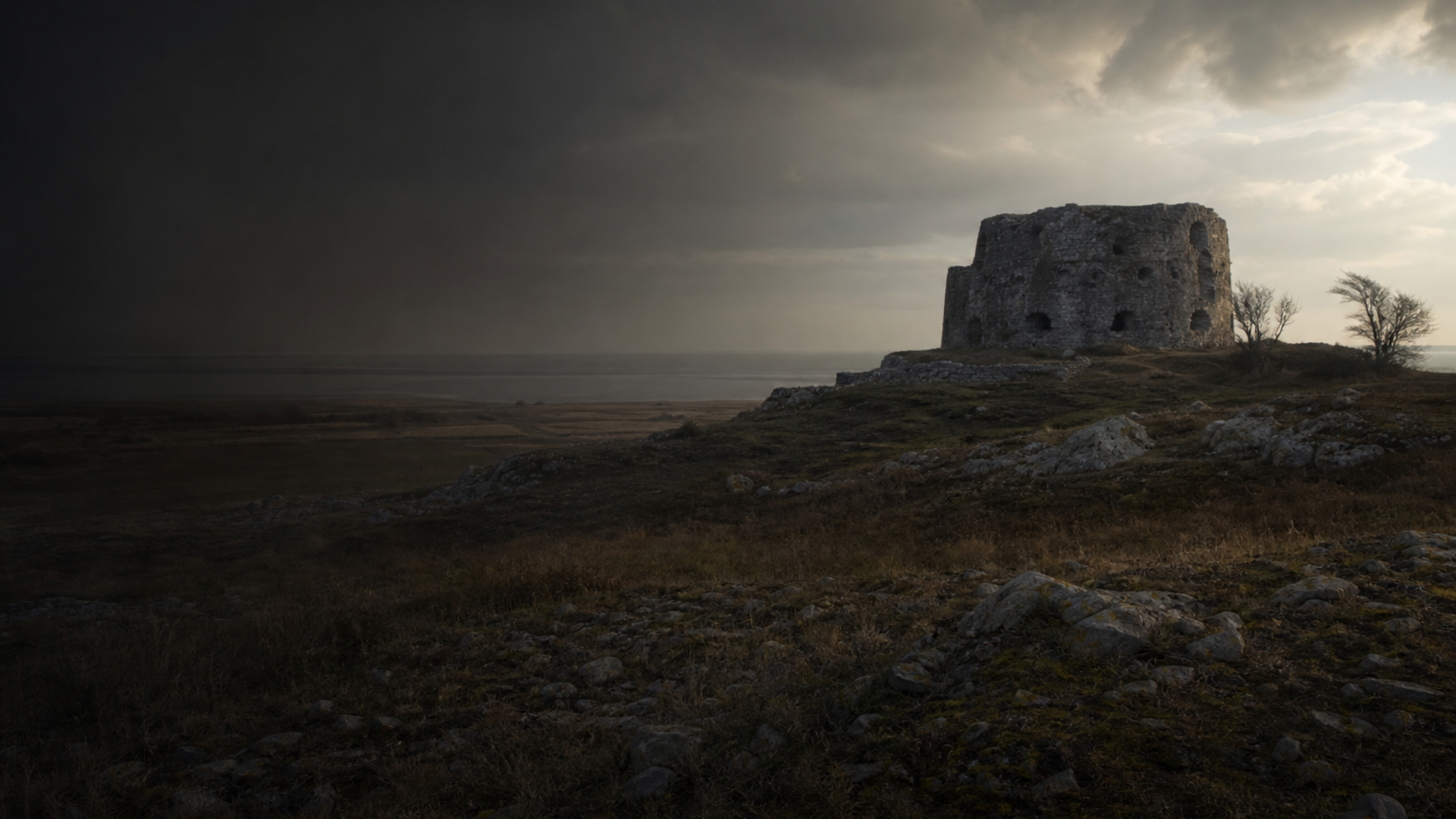
Kronan: South Swedish Post‑Medieval DNA

下载的 PDF 是图像副本。如需可选中文本及更好的辅助技术支持,请使用打印功能。

Kronan: South Swedish Post‑Medieval DNA

揭开一个失落的文明

正在加载考古记录……

正在收集古代记录

跳转到主内容
Kronan: South Swedish Post‑Medieval DNA
文明焦点

Kronan: South Swedish Post‑Medieval DNA

Skeletal remains from the 1676 Kronan shipwreck reveal a compact genetic snapshot of southern Sweden

1676 CE
Kronan, Mörbylånga, Kalmar län, Sweden
滚动开始
Chapter I

剧情

了解 Kronan: South Swedish Post‑Medieval DNA 文化

DNA from 12 individuals recovered at the Kronan wreck (Mörbylånga, Kalmar län) dated to 1676 CE connects maritime archaeology with population genetics. Y-chromosome lineages I, R and N and maternal H, U, K, J lineages reflect regional ancestry while underscoring limits of a single-site, single-year sample.

Time Period

1676 CE (Post‑Medieval)

Region

Kronan, Mörbylånga, Kalmar län, Sweden

Common Y-DNA

I (5), R (5), N (2)

Common mtDNA

H (6), U (3), K (1), H6c (1), J (1)

Chapter II

时间线

这种文化历史上的关键时刻

1676 CE

Kronan sinks off Öland

The Kronan warship sank in 1676; human remains recovered from the wreck provide DNA dated to that year, creating a precise post‑medieval genetic snapshot.

Chapter III

Origins & Emergence

The human remains sampled from Kronan, a Swedish warship that sank off Öland in 1676, offer a tightly dated window into the southern Swedish post‑medieval world. Archaeological excavation of the wrecksite at Mörbylånga (Kalmar län) has preserved bone and artefacts in a maritime context; these finds anchor radiocarbon and archival dates to the year 1676 CE.

This is a localized and immediate origin story: the individuals in this assemblage derive from the social and military networks of 17th‑century Sweden — a kingdom then engaged in continental wars and maritime expansion. Archaeological data indicates a mixture of personal items, clothing fragments and funerary disarray consistent with a catastrophic ship loss rather than organized burial.

Limited evidence suggests the group recovered from Kronan does not represent a settled village or regional cemetery but rather a cross‑section of people aboard a single vessel. Thus, while the assemblage illuminates the lifeways and origins of those on the ship, extrapolation to the broader southern Swedish population must be cautious. Historical context (Scanian War, 1675–1679) frames the event, but the genetic and material record from Kronan speaks most directly to the biographies of those who sailed and died there.

  • Samples come from the Kronan wreck, Mörbylånga, dated 1676 CE
  • Maritime context preserves a snapshot of individuals aboard a single ship
  • Finds are tied to wartime seafaring networks in 17th‑century Sweden
Chapter IV

Daily Life & Society

The material culture recovered at Kronan evokes the claustrophobic, ritual‑light world of a late 17th‑century warship: layers of clothing, weapon fragments and personal items speak to crew composition and social organization. Archaeological analysis of clothing fastenings, shoe types and small personal objects can suggest age, rank and regional origins but often remains fragmentary in a wreck context.

Life aboard such vessels combined skilled labor, strict hierarchy and multi‑regional recruitment. Documents from the era indicate crews drawn from across the Swedish realm and sometimes beyond; archaeologically, isotopic and genetic signals can test that picture. Items recovered alongside the human remains — such as trade goods or clothing styles traceable to specific regions — help corroborate genetic indications of mixed origins or local continuity.

Because this dataset is anchored to a single catastrophic event, it captures mobility: men (and possibly boys) drawn from ports, conscripted populations and professional sailors. However, the wreck’s violent depositional context complicates reconstruction of everyday routines. Combined archaeological and genetic study turns fragments into human stories: a sailor’s garment, a maternal lineage, a childhood spent onshore or at sea.

  • Artefacts suggest a crewed warship context with mixed personal belongings
  • Material culture and DNA together illuminate mobility and social rank aboard
Chapter V

Genetic Profile

Genetic analysis of 12 individuals from Kronan provides a compact but informative snapshot. Y‑chromosome haplogroups distribute as I (5), R (5) and N (2). Haplogroup I and many R sublineages are common in Scandinavia and broader northwestern Europe; their presence is consistent with male lineages expected in 17th‑century Sweden. The detection of Y‑haplogroup N in two individuals is notable: haplogroup N is more frequent among Uralic‑speaking populations and in northeastern Europe, and its appearance here could indicate recruitment from the broader Baltic or northern reaches of the Swedish realm, though in a small sample this remains tentative.

Mitochondrial lineages are dominated by H (6) and include U (3), K (1), H6c (1) and J (1). Maternal H and U haplogroups are widespread across Europe and commonly observed in modern Scandinavian populations, suggesting continuity of many maternal lineages between the 17th century and later populations. The presence of less common mtDNA subtypes, such as H6c, highlights maternal diversity within the crew.

Important caveats: the sample consists of 12 individuals from a single shipwreck dated to one year. While patterns align with expectations for southern Swedish populations, the limited count and unique maritime context mean conclusions about regional population structure are preliminary. Combined archaeological provenance, isotopic data and larger comparative datasets are necessary to refine mobility and ancestry models.

  • Y-DNA mix of I and R dominant, with two N lineages suggesting some eastern ties
  • mtDNA dominated by H and U, indicating maternal continuity with regional populations
Chapter VI

Legacy & Modern Connections

The Kronan assemblage acts as a cinematic time capsule: a cluster of genomes frozen to 1676 CE that speaks across centuries. For modern Swedes and researchers, these genomes offer an intimate connection to maritime history and to ancestry threads that persist today. Genetic lineages identified at Kronan—particularly the predominance of mtDNA H and Y‑lineages I and R—mirror patterns seen in contemporary Scandinavian populations, supporting broad continuity in regional ancestry.

At the same time, the presence of Y‑haplogroup N and varied mitochondrial types hints at mobility and the permeability of maritime networks in early modern northern Europe. Archaeogenetic study of Kronan encourages collaboration between maritime archaeology, history and population genetics: each discipline refines the narrative that bones and DNA begin to tell. Ultimately, Kronan’s DNA does not close a story but opens pathways—linking a single, tragic night in 1676 to ongoing questions about movement, identity and inheritance in the Baltic world.

  • Genetic patterns reflect continuity with modern Scandinavian lineages
  • Signals of mobility underscore maritime connections across the Baltic
AI 电源

AI 助手

就 Kronan: South Swedish Post‑Medieval DNA 文化提问

AI 助手 由DNAGENICS公司制作

解锁此特性
Ask questions about the Kronan: South Swedish Post‑Medieval DNA culture. Our AI assistant can explain genetic findings, historical context, archaeological evidence, and modern connections.
AI 样本分析

Kronan: South Swedish Post‑Medieval DNA 文化是人类历史中值得了解的一章……

遗传分析揭示了与早期种群的联系,同时显示了独特的适应和文化创新的证据。 古代DNA样本提供了对迁徙模式、社会结构以及古代种群之间的生物关系的深刻见解。

这是人工智能分析的预览。 解锁全AI 助手, 以探索关于:

  • 遗传组成和祖先
  • 移徙模式和起源
  • 日常生活和文化习俗
  • 现代遗传遗产

探索更古老的文化

揭开古代世界文明的故事

使用优惠码 可减免 35% • 11月12日 到期