La Tène Hungary: Voices of the Iron Age

下载的 PDF 是图像副本。如需可选中文本及更好的辅助技术支持,请使用打印功能。

La Tène Hungary: Voices of the Iron Age

揭开一个失落的文明

正在加载考古记录……

正在收集古代记录

跳转到主内容
La Tène Hungary: Voices of the Iron Age
文明焦点

La Tène Hungary: Voices of the Iron Age

Celtic-era communities in Hungary (500–1 BCE) where archaeology meets ancient DNA

500 CE - 1 BCE
Hungary (Central Europe)
滚动开始
Chapter I

剧情

了解 La Tène Hungary: Voices of the Iron Age 文化

A synthesis of 35 Iron Age samples from La Tène contexts in Hungary (500–1 BCE). Archaeological sites across the country reveal material craft, mobility along the Danube and Tisza, and a maternal genetic mosaic (U, H, J, K, T2b) alongside a limited paternal signal. Interpretations remain cautious.

Time Period

500–1 BCE

Region

Hungary (Central Europe)

Common Y-DNA

R (single detected; preliminary)

Common mtDNA

U (7), H (6), J (3), K (3), T2b (3)

Chapter II

时间线

这种文化历史上的关键时刻

2500 BCE

Bronze Age population foundations

Bronze Age communities establish long-term settlement and genetic backgrounds in the Carpathian Basin that later La Tène groups interact with and inherit from.

Chapter III

Origins & Emergence

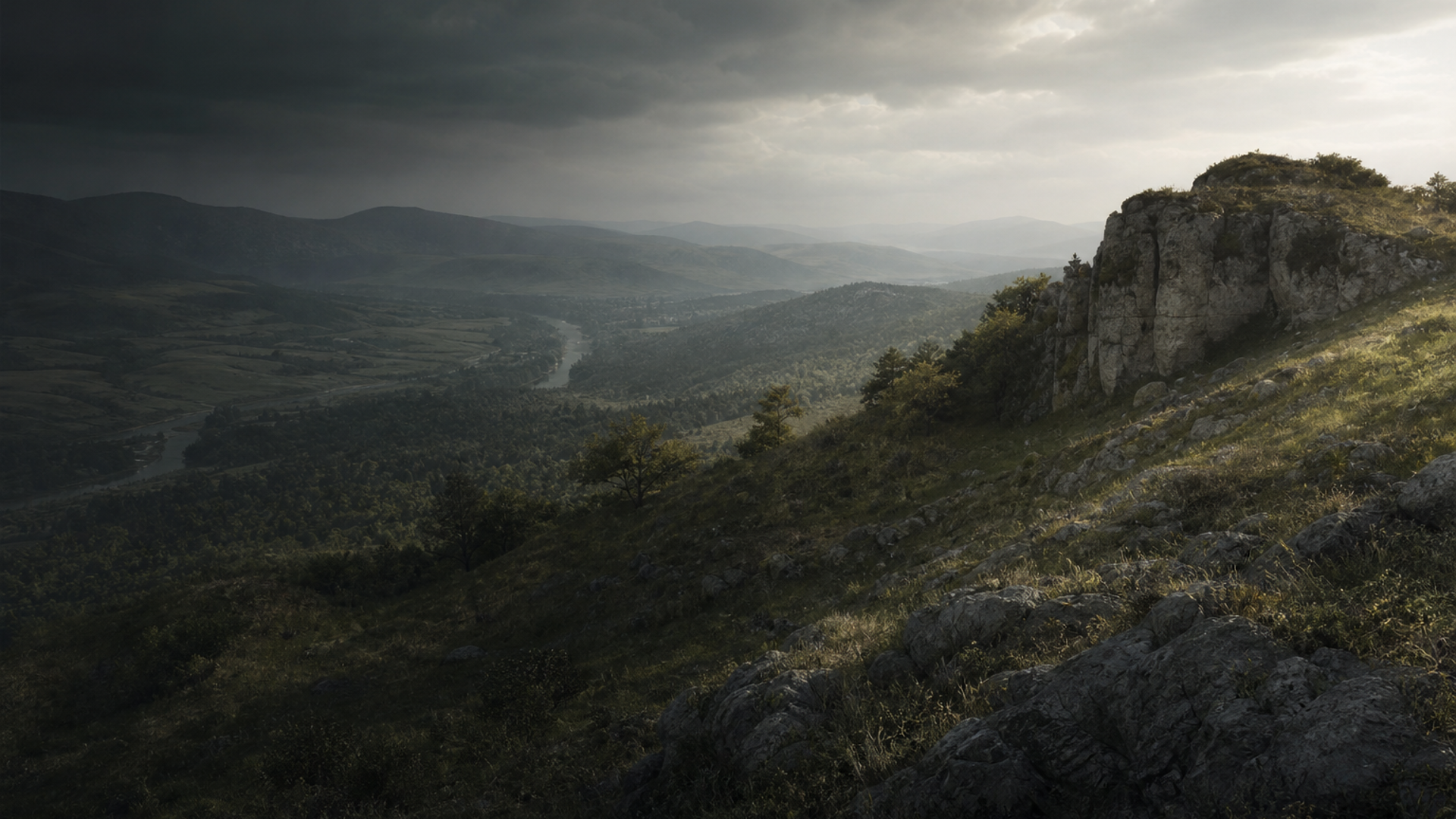
Across river corridors and lowland plains, La Tène art and technology arrived in what is now Hungary between the 5th and 1st centuries BCE. Archaeological evidence from named loci — Besenyszög Berek-ér partja; Győr (Kert utca); Jászberény-Cserőhalom; Túrkeve-Burkus-Halom; Markotabödöge-Mohos-tóra-dűlő; Kópháza-Széles földek; Zamárdi (Kútvölgyi-dűlő sites 56 & 89); Kápolnadomb Gór; Tiszavasvári-Városföldje; Tokod-Altáró — shows the local expression of wider La Tène styles. Elegant metalwork, curvilinear motifs and standardized weapon forms point to connections with the broader Celtic world of Central Europe, but also to strong local continuities with preceding Hallstatt and Bronze Age traditions.

Archaeological data indicates phased adoption rather than wholesale population replacement: settlements and cemeteries reflect evolving social practices, new craft repertoires, and sustained use of older ritual spaces. Trade and mobility along the Danube and its tributaries likely channeled goods and ideas. Limited evidence suggests some movement of people, but the scale and directionality remain debated. The genetic dataset for Hungary_IA_LaTene offers direct biological glimpses that complement material traces, though interpretations are cautious: cultural affiliation does not always equate to simple population turnover. Ongoing excavation and targeted ancient DNA sampling will refine models of how La Tène identities emerged and blended in the Carpathian Basin.

  • La Tène styles appear in Hungarian sites between 500–1 BCE alongside local traditions
  • Key sites include Besenyszög, Győr, Jászberény, Zamárdi, Tokod and others
  • Evidence points to cultural exchange via Danube-Tisza networks rather than clear-cut replacement
Chapter IV

Daily Life & Society

Life in La Tène Hungary unfolded in villages, fortified farmsteads and cemeteries where everyday objects and ritual deposits were intertwined. Grave assemblages across the sampled sites often include personal ornaments, fibulae, imported and locally produced finewares, and occasionally weapons — artifacts that suggest social differentiation, craft specialization and long-distance connections. Agricultural terraces, animal bone assemblages and grinding stones attest to mixed farming economies supplemented by pastoral activities.

Craft workshops for iron and bronze, and the presence of decorated pottery, indicate skilled artisans operating at regional scales. Settlements near waterways exploited trade routes; raw materials such as salt, iron and amber moved through the landscape. Artistic motifs—spirals, palmettes and stylized animal forms—animated both ceremonial and domestic objects, projecting social identity. Funerary variability hints at gendered and status distinctions, but burial rites are not uniform: some communities favored simple inhumation, others richer furnished graves. Archaeological interpretation emphasizes mosaic social practices, where inherited customs met new elite fashions and cross-cultural exchange.

Preservation and excavation biases affect our view: many settlements remain only partly excavated and some burial contexts are disturbed, so reconstructions of daily life are provisional.

  • Mixed farming, artisan craftwork, and riverine trade shaped local economies
  • Burial goods vary widely, indicating social differentiation and cultural exchange
Chapter V

Genetic Profile

The Hungary_IA_LaTene dataset comprises 35 individuals dated to 500–1 BCE from multiple Hungarian sites. Maternal lineages show appreciable diversity: mtDNA haplogroups U (7), H (6), J (3), K (3), and T2b (3) are prominent. These maternal clades are common across European Bronze and Iron Age assemblages and suggest continuity with broader Central European maternal pools.

Paternal resolution in this dataset is limited: a single Y-chromosome lineage classified as R was reported (n=1). Because the male sample count or successful Y-chromosome captures appear low, any statements about paternal population structure must be cautious. A lone R lineage is consistent with wider patterns in Iron Age Europe—where R-derived lineages are common—but the paucity of male data prevents robust claims about dominant paternal ancestry or migratory events.

Autosomal ancestry (not detailed here) in comparable La Tène contexts often reflects a tapestry of Neolithic farmer heritage, Bronze Age steppe-derived ancestry, and local late Bronze/Iron Age continuities. For Hungary_IA_LaTene, the maternal diversity paired with a limited paternal snapshot suggests complex demographic processes: local continuity of women’s lineages, potential male-biased mobility in some periods, or simply sampling bias. Because the dataset includes 35 samples overall but very few informative Y-chromosomes, conclusions about sex-biased migration or population turnover remain preliminary and will benefit from additional targeted sampling and higher-yield male genome captures.

  • Maternal diversity dominated by U and H lineages, common in European Iron Age samples
  • Paternal signal is weak in this dataset: a single R Y-haplogroup was detected, so interpretations are preliminary
Chapter VI

Legacy & Modern Connections

The La Tène presence in Hungary left an imprint in art, craft traditions and settlement patterns that would resonate into the Roman period and beyond. Archaeological motifs, metalworking techniques and trade networks shaped regional identities along the Danube corridor. Genetic ties are nuanced: maternal haplogroups found in this sample (U, H, J, K, T2b) persist at varying frequencies in modern European populations, implying partial continuity of maternal lines, while paternal histories require more data to resolve.

Modern Hungarian genetic diversity results from many sequential layers—Bronze Age, Iron Age La Tène inputs, Roman-era movements, medieval migrations and later historical processes—so direct equivalence between ancient La Tène individuals and present-day groups is not straightforward. Nonetheless, integrating archaeology with ancient DNA from sites such as Besenyszög, Győr, Jászberény and Zamárdi frames a narrative of cultural dynamism and biological mixture. Continued sampling, especially of male genomes and denser temporal transects, will clarify how La Tène communities contributed to the genetic and cultural tapestry of the Carpathian Basin.

  • La Tène material culture influenced subsequent regional traditions along river networks
  • Maternal haplogroups show partial continuity with modern European lineages; paternal conclusions need more data
AI 电源

AI 助手

就 La Tène Hungary: Voices of the Iron Age 文化提问

AI 助手 由DNAGENICS公司制作

解锁此特性
Ask questions about the La Tène Hungary: Voices of the Iron Age culture. Our AI assistant can explain genetic findings, historical context, archaeological evidence, and modern connections.
AI 样本分析

La Tène Hungary: Voices of the Iron Age 文化是人类历史中值得了解的一章……

遗传分析揭示了与早期种群的联系,同时显示了独特的适应和文化创新的证据。 古代DNA样本提供了对迁徙模式、社会结构以及古代种群之间的生物关系的深刻见解。

这是人工智能分析的预览。 解锁全AI 助手, 以探索关于:

  • 遗传组成和祖先
  • 移徙模式和起源
  • 日常生活和文化习俗
  • 现代遗传遗产

探索更古老的文化

揭开古代世界文明的故事

使用优惠码 可减免 35% • 11月12日 到期