Late Unai of Guam: Island Origins

下载的 PDF 是图像副本。如需可选中文本及更好的辅助技术支持,请使用打印功能。

Late Unai of Guam: Island Origins

揭开一个失落的文明

正在加载考古记录……

正在收集古代记录

跳转到主内容
Late Unai of Guam: Island Origins
文明焦点

Late Unai of Guam: Island Origins

A portrait of Guam's Late Unai people through archaeology and ancient maternal DNA

850 CE - 350 BCE
Guam (Naton Beach Site)
滚动开始
Chapter I

剧情

了解 Late Unai of Guam: Island Origins 文化

Archaeological and ancient-mtDNA evidence from 27 Late Unai individuals (Naton Beach, Guam; 850–350 BCE) links island coastal lifeways with maternal lineages (mtDNA E2, E2a, B, R). Findings suggest Austronesian-era connections, with tropical preservation and sampling limits noted.

Time Period

850–350 BCE

Region

Guam (Naton Beach Site)

Common Y-DNA

Not reported / limited data

Common mtDNA

E2 (7), E2a (4), E (2), B (2), R (1)

Chapter II

时间线

这种文化历史上的关键时刻

850 BCE

Emergence of Late Unai

Radiocarbon and stratigraphic evidence place the rise of Late Unai coastal settlements at Naton Beach around 850 BCE.

350 BCE

Late Unai Transformation

By ~350 BCE material signatures attributed to Late Unai show transformation, suggesting changes in settlement or cultural practice.

Chapter III

Origins & Emergence

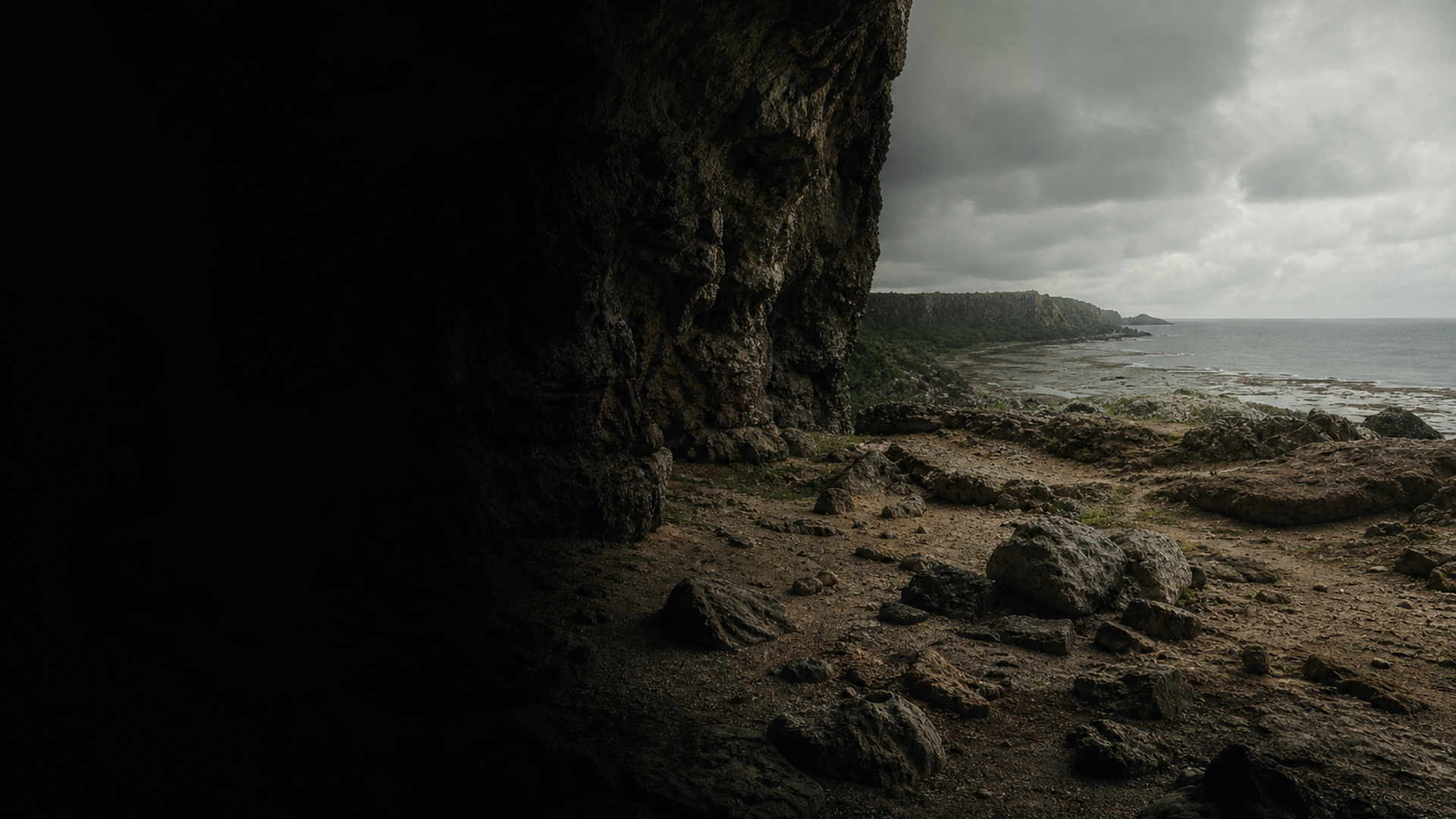
The Late Unai phase on Guam (c. 850–350 BCE) sits within the archipelago’s long story of maritime colonization. Archaeological data from the Naton Beach Site reveal coastal habitation perched between reef and forest—places where people fished, collected shellfish, and tended gardens. Material traces attributed to Late Unai include stratified midden deposits, worked stone tools, and ceramics that show local manufacture and stylistic links to broader Micronesian variants.

Limited evidence suggests that the Late Unai cultural horizon represents a continuation and local adaptation of earlier island lifeways rather than a wholesale population replacement. Sea routes, wind patterns, and canoe technology made Guam part of an expansive maritime network; the island’s inhabitants would have been both rooted in place and connected by long-distance voyaging. However, tropical burial practices and poor bone preservation complicate direct readings of population continuity, and chronological resolution remains imperfect. Radiocarbon dates from the Naton Beach contexts cluster within the given range but show some stratigraphic mixing, underscoring the need for continued controlled excavation and direct dating of human remains.

In short: the Late Unai emerges as a resilient island culture shaped by coastal resources and seafaring connections, with archaeological patterns that invite genetic testing to clarify origins and mobility.

  • Late Unai dated c. 850–350 BCE at Naton Beach, Guam
  • Coastal settlements with middens, stone tools, and local ceramics
  • Evidence points to local adaptation within wider Micronesian networks
Chapter IV

Daily Life & Society

Life for Late Unai communities unfolded along shorelines and lagoon edges. Archaeological deposits at Naton Beach preserve dense shell middens—palimpsests of meals, tool production, and discard practices—indicating heavy reliance on reef and shore resources: fish, shellfish, and marine plants. Stone and shell tools recovered from habitation layers imply craft specializations (adze-like implements, cutting tools) suitable for canoe repair, woodworking, and food processing.

Ceramics (where preserved) and hearth features suggest domestic cooking and storage strategies adapted to island environments. The spatial patterning of hearths, middens, and postholes points to small nucleated hamlets rather than large, nucleated urban centers; social life was likely organized around kin groups and cooperative labor for fishing and garden cultivation. Symbolic items are sparse in the current assemblage, but the landscape itself—ties to freshwater springs, reef passes, and elevated burial places—would have structured ritual and memory.

Tropical preservation biases mean organic materials such as wood, plant fiber, and textiles rarely survive; therefore, reconstructions emphasize durable refuse and architecture stains. Ethnographic analogy and comparative island archaeology help fill gaps, but many aspects of social hierarchy, ritual practice, and long-distance exchange remain inferential and require further multidisciplinary work.

  • Diet dominated by reef and coastal resources (fish, shellfish)
  • Small hamlets with craft use of stone and shell tools
Chapter V

Genetic Profile

Ancient mtDNA recovered from 27 Late Unai-associated individuals at the Naton Beach Site provides a window into maternal ancestry on Guam. The observed distribution—E2 (7), E2a (4), E (2), B (2), R (1)—emphasizes a predominance of haplogroup E sublineages, with additional representation of B and a single R lineage. mtDNA haplogroup E and its subclades are often detected in Island Southeast Asia and Near Oceania and are plausible markers of early seafaring populations tied to Austronesian expansions; haplogroup B is also commonly associated with Austronesian dispersals into the Pacific.

These maternal signals are consistent with archaeological inferences of ties to broader maritime networks, suggesting that Late Unai maternal ancestry was strongly influenced by regional coastal populations. However, several caveats apply: Y-chromosome (paternal) data are not reported or remain limited for these samples, leaving paternal contributions and sex-biased mobility unresolved. Preservation in tropical contexts can bias which individuals yield recoverable DNA, and while 27 samples are a robust start compared with many island studies, they still represent a snapshot of the population.

Future shotgun genomic data and comparisons with contemporaneous assemblages from the Marianas, Island Southeast Asia, and Near Oceania will better resolve gene flow, demographic size, and whether the Late Unai mtDNA profile reflects long-term continuity or episodes of incoming ancestry.

  • mtDNA dominated by E lineages (E2/E2a) with presence of B and R
  • No common Y-DNA reported; paternal ancestry remains unclear
Chapter VI

Legacy & Modern Connections

The genetic and archaeological traces of the Late Unai culture resonate with modern Guam and broader Mariana Island communities. Maternal haplogroups identified at Naton Beach link ancient islanders to maternal lineages still present in parts of Island Southeast Asia and Near Oceania, suggesting threads of biological and cultural continuity across millennia. Archaeological landscapes—middens, reef gardens, and settlement scars—continue to shape contemporary place-knowledge and stewardship practices among islanders.

At the same time, the tropical environment and later historic contacts mean that continuity is complex. Modern populations reflect additional layers of mobility, colonial histories, and demographic change. The Late Unai dataset offers a crucial empirical baseline: it anchors questions about long-term population dynamics, island resilience, and the ways ancestral seafaring shaped genetic legacies. Ongoing collaboration with descendant communities, combined with careful ancient DNA sampling and contextual archaeology, will be essential to transform these initial genetic signals into a fuller, ethically grounded narrative of Islander heritage.

  • mtDNA links suggest maternal connections across Island Southeast Asia and Oceania
  • Collaboration with descendant communities is key to interpreting legacies
AI 电源

AI 助手

就 Late Unai of Guam: Island Origins 文化提问

AI 助手 由DNAGENICS公司制作

解锁此特性
Ask questions about the Late Unai of Guam: Island Origins culture. Our AI assistant can explain genetic findings, historical context, archaeological evidence, and modern connections.
AI 样本分析

Late Unai of Guam: Island Origins 文化是人类历史中值得了解的一章……

遗传分析揭示了与早期种群的联系,同时显示了独特的适应和文化创新的证据。 古代DNA样本提供了对迁徙模式、社会结构以及古代种群之间的生物关系的深刻见解。

这是人工智能分析的预览。 解锁全AI 助手, 以探索关于:

  • 遗传组成和祖先
  • 移徙模式和起源
  • 日常生活和文化习俗
  • 现代遗传遗产

探索更古老的文化

揭开古代世界文明的故事

使用优惠码 可减免 35% • 11月12日 到期