LBK Farmers of Middle Neolithic Hungary

下载的 PDF 是图像副本。如需可选中文本及更好的辅助技术支持,请使用打印功能。

LBK Farmers of Middle Neolithic Hungary

揭开一个失落的文明

正在加载考古记录……

正在收集古代记录

跳转到主内容
LBK Farmers of Middle Neolithic Hungary
文明焦点

LBK Farmers of Middle Neolithic Hungary

A portrait of early farming communities in the Carpathian Basin, 5307–4900 BCE

5307 CE - 4900 BCE
Hungary (Carpathian Basin)
滚动开始
Chapter I

剧情

了解 LBK Farmers of Middle Neolithic Hungary 文化

Archaeological and genomic evidence from 12 Middle Neolithic sites across Hungary reveals a community shaped by Linear Pottery lifeways. Material culture and DNA point to early European farmer ancestries dominated by haplogroup G lineages, with diverse maternal lineages including K and T1a.

Time Period

5307–4900 BCE (Middle Neolithic)

Region

Hungary (Carpathian Basin)

Common Y-DNA

G (incl. G2a), C, H

Common mtDNA

K, N, T1a, H, U2

Chapter II

时间线

这种文化历史上的关键时刻

5307 BCE

Earliest dated individual in Hungary_MN_LBK

Radiocarbon evidence places individuals in this dataset at 5307 BCE, marking active LBK farming communities in the Carpathian Basin.

Chapter III

Origins & Emergence

In the dawning light of the Middle Neolithic, communities labeled here as Hungary_MN_LBK participated in the wave of Neolithic lifeways known across Central Europe as the Linearbandkeramik (LBK) phenomenon. Archaeological sites sampled for genomic study include Szemely-Hegyes, Apc-Berekalya I, Bátaszék-Lajvér, Budakeszi Szőlőskert-Tangazdaság, Tolna-Mözs TO26, Bölcske-Gyűrűsvölgy, Alsónyék-Bátaszék site 11, Enese (Kóny Proletár-dülö site 2), Polgár-Ferenci hát M3-31, and Apc-Berekalya-1 (Heves County, Hatvan). Radiocarbon dates for the analyzed individuals span about four centuries (5307–4900 BCE), placing them in the core LBK horizon in Hungary.

Archaeological data indicates these people practiced mixed farming — cereal cultivation, animal husbandry, and pottery production with the characteristic LBK linear decoration. Settlement layouts, longhouses, and grave offerings from associated sites convey predictable social rhythms of household labor and seasonal cycles. Material culture ties them to farming communities that spread from the Balkans and Danube corridor into the Carpathian Basin.

Genetic and archaeological convergence suggests that many early Neolithic farmers in this region derived ancestry from Anatolian-derived farming groups who mixed to variable degrees with local foragers. However, interpretations remain cautious: the current dataset comprises 12 individuals, which is informative but still limited for resolving fine-scale demographic events across the entire landscape.

  • Sites sampled across southwestern and central Hungary (10+ localities)
  • Radiocarbon span 5307–4900 BCE, Middle Neolithic LBK context
  • Material culture: longhouses, linear-decorated pottery, mixed farming
Chapter IV

Daily Life & Society

Archaeological remains paint a cinematic picture: long timber houses clustered near fertile loess soils, the smell of ovens baking emmer and einkorn, and the constant rhythm of tending cattle, sheep, and pigs. Tools of polished stone and bone, along with standardized pottery styles decorated with linear motifs, reflect both household economies and regional networks of craft knowledge. Burials at LBK-associated sites are often modest, with some individuals interred under house floors or in cemeteries with simple grave goods — hinting at kin-based households and localized ritual practices.
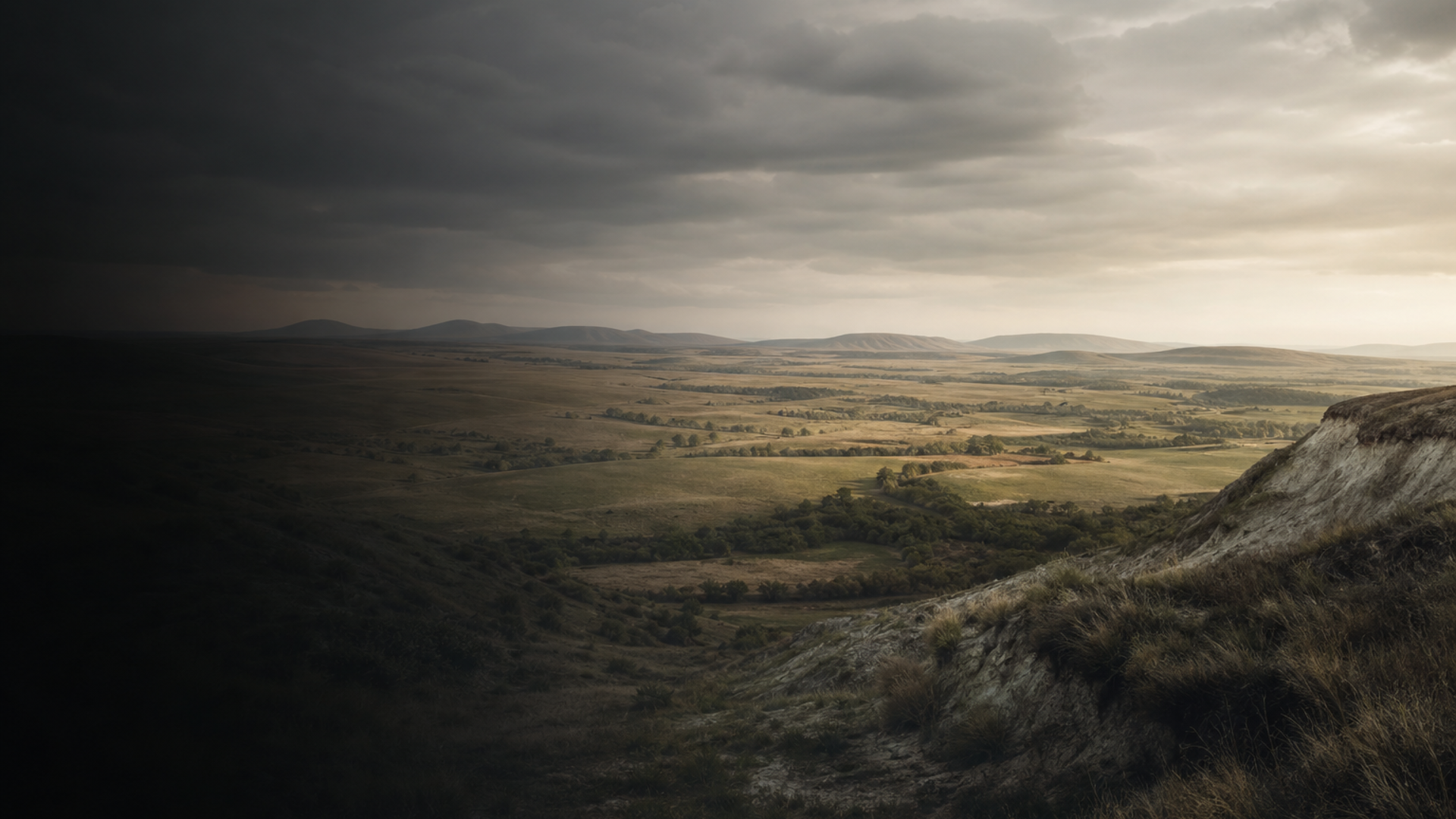

Zooarchaeological assemblages indicate seasonal rounds that combined crop cultivation with managed herds, while archaeobotanical remains demonstrate reliance on cereals and legumes. The distribution of settlements and the recurrence of similar house plans suggest a stable pattern of family farming units whose material culture spread rapidly across Central Europe during the early Neolithic.

Social complexity likely remained at household and community levels rather than centralized hierarchies. Variation in burial position and grave offerings exists, but current genetic sample sizes (12 individuals) limit confident inferences about social stratification or mobility patterns across the entire LBK population in Hungary.

  • Longhouses, standardized pottery, mixed cereal and herd farming
  • Household-focused burial practices; limited evidence for strong hierarchy
Chapter V

Genetic Profile

Genomic data from 12 individuals associated with Hungary_MN_LBK offer a window into the biological ancestry of Middle Neolithic farmers in the Carpathian Basin. Y-chromosome haplogroups in this sample are dominated by haplogroup G lineages (3 individuals), including a G2a (1), with additional occurrences of C (2) and H (1). These patterns align with broader Neolithic trends in Central Europe, where G and G2a are commonly observed among early farmer males and interpreted as markers of Anatolian-derived farming ancestry.

Mitochondrial DNA diversity in the sample includes several maternal lineages: K (4 individuals), N (1), T1a (1), H (1), and U2 (1). Haplogroup K and T1a are frequently associated with early European farmers, reinforcing archaeological evidence for Near Eastern-derived agricultural expansions. The presence of haplogroups N, H, and U2 points to either retained hunter-gatherer maternal contributions or later regional variation; however, low sample numbers, geographic clustering, and uneven preservation mean such interpretations must be cautious.

Population-genetic models integrating these genomes with wider datasets generally place LBK groups as predominantly descended from Anatolian farmer-related ancestry with varying degrees of local hunter-gatherer admixture. The detection of haplogroup C and H on the Y-chromosome — less typical in many LBK series — suggests either phylogeographic heterogeneity or potential input from neighboring groups. Given the sample count (12), conclusions about population structure and migration dynamics are provisional and benefit from continued sampling across more sites and time slices.

  • Dominant Y-DNA: G (incl. G2a); additional C and H lineages present
  • mtDNA skewed to farmer-associated lineages (K, T1a) with some diversity
Chapter VI

Legacy & Modern Connections

The genetic and archaeological legacy of Hungary_MN_LBK is woven into the deeper tapestry of European prehistory. Anatolian-derived farmer ancestry carried by LBK communities contributed substantially to the gene pool of later European populations, leaving traces in both material culture traditions and genomes. Elements of LBK lifeways — farming practices, pottery technologies, and settlement patterns — influenced successive Neolithic cultures in the Carpathian Basin and beyond.

In modern genetic surveys, traces of early farmer ancestries persist in many European populations alongside later influxes. While direct line-by-line descent is complex and mediated by millennia of migrations and admixture, the patterns seen in the Hungary_MN_LBK sample illuminate one important chapter of that deep story. Because the current dataset represents 12 individuals from a limited number of sites, claims about population-wide continuity or direct links to specific modern groups should remain cautious. Future sampling and higher-resolution analyses will refine how these Middle Neolithic farmers fit into the long-term mosaic of European genetic history.

  • Contributed Anatolian-derived farmer ancestry to later European populations
  • Material and genetic legacies visible but complex due to later migrations
AI 电源

AI 助手

就 LBK Farmers of Middle Neolithic Hungary 文化提问

AI 助手 由DNAGENICS公司制作

解锁此特性
Ask questions about the LBK Farmers of Middle Neolithic Hungary culture. Our AI assistant can explain genetic findings, historical context, archaeological evidence, and modern connections.
AI 样本分析

LBK Farmers of Middle Neolithic Hungary 文化是人类历史中值得了解的一章……

遗传分析揭示了与早期种群的联系,同时显示了独特的适应和文化创新的证据。 古代DNA样本提供了对迁徙模式、社会结构以及古代种群之间的生物关系的深刻见解。

这是人工智能分析的预览。 解锁全AI 助手, 以探索关于:

  • 遗传组成和祖先
  • 移徙模式和起源
  • 日常生活和文化习俗
  • 现代遗传遗产

探索更古老的文化

揭开古代世界文明的故事

使用优惠码 可减免 35% • 11月12日 到期




