Limão Sambaqui: Coastal Memory

下载的 PDF 是图像副本。如需可选中文本及更好的辅助技术支持,请使用打印功能。

Limão Sambaqui: Coastal Memory

揭开一个失落的文明

正在加载考古记录……

正在收集古代记录

跳转到主内容
Limão Sambaqui: Coastal Memory
文明焦点

Limão Sambaqui: Coastal Memory

A late pre-contact southeast Brazilian shell mound revealed through archaeology and one maternal DNA lineage.

1442 CE - 1616 CE
Southeast coast, Brazil (Sambaqui do Limão)
滚动开始
Chapter I

剧情

了解 Limão Sambaqui: Coastal Memory 文化

Sambaqui do Limão (1442–1616 CE) is a coastal shell-mound site on Brazil's southeast shore. Archaeology shows dense shell deposits and coastal subsistence; ancient DNA from one individual carries mtDNA haplogroup B2. Limited sampling means genetic conclusions remain preliminary.

Time Period

1442–1616 CE

Region

Southeast coast, Brazil (Sambaqui do Limão)

Common Y-DNA

Unknown / not reported

Common mtDNA

B2 (1)

Chapter II

时间线

这种文化历史上的关键时刻

1500 CE

Era of initial coastal contact

Site dates overlap the period when European ships first reached Brazil; local lifeways persisted even as contact-era change began along the coast.

Chapter III

Origins & Emergence

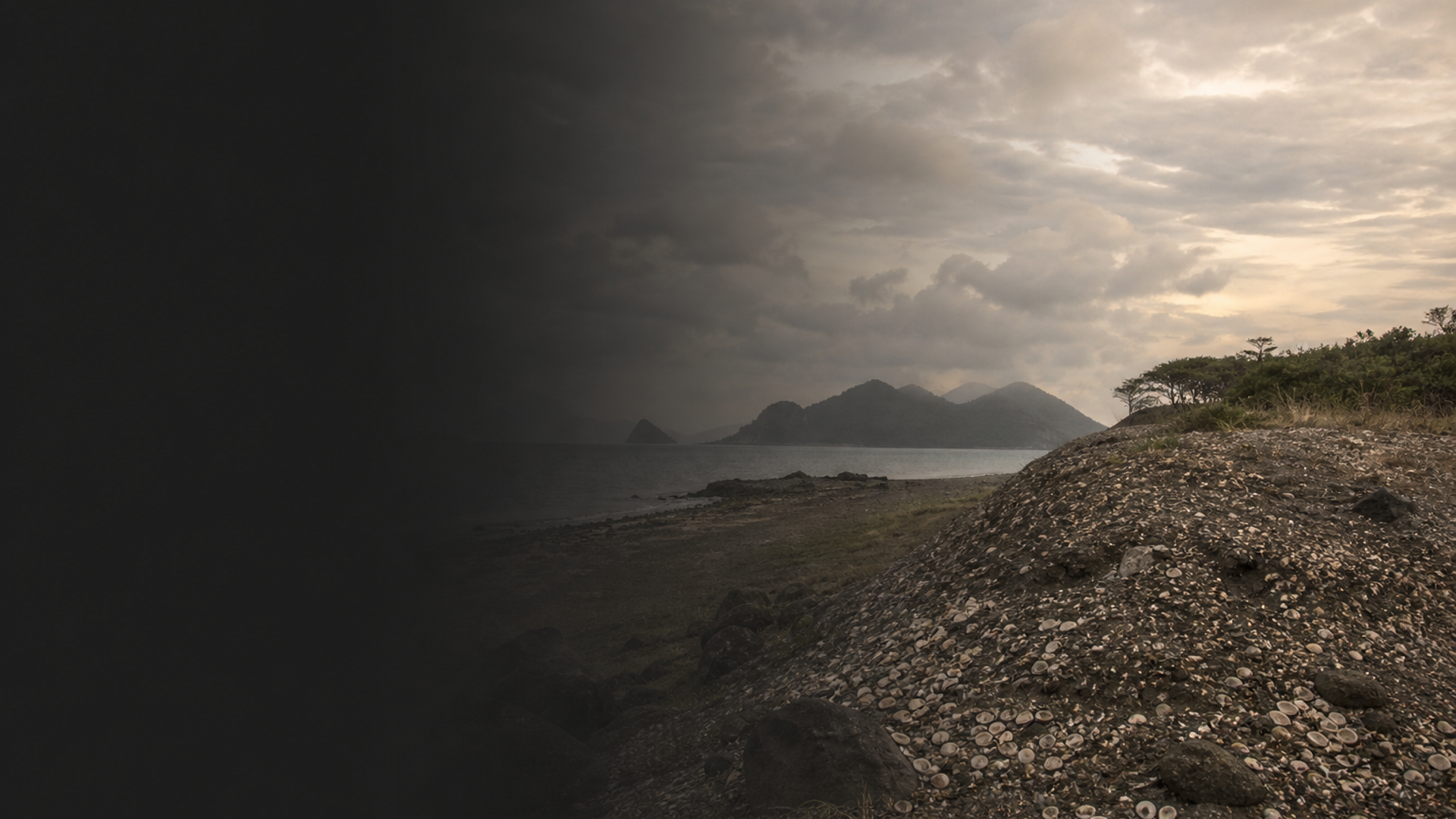
Sambaqui do Limão sits within the long-lived sambaqui tradition of Brazil's Atlantic littoral — monumental shell middens that accumulated over generations. Archaeological data indicates that by the Late Holocene coastal communities were constructing dense deposits of shell, bone, charcoal and hearths along sheltered bays and estuaries. The radiocarbon-constrained window for the human individual represented here (1442–1616 CE) places the burial within a dynamic era when long-standing coastal lifeways persisted alongside mounting Indigenous social complexity and the initial decades of European contact on the Brazilian coast.

The site’s stratigraphy preserves repeated episodes of shell deposition, hearthing, and organic refuse typical of sambaquis, which archaeologists interpret as both refuse landscapes and stages for ritual and burial practices. Limited evidence from nearby sambaquis suggests these mounds could serve as landmarked places of memory, seasonal aggregation, and local exchange. While sambaquis across the southeast coast vary in size and age, Sambaqui do Limão offers a late date that helps anchor the tail end of pre-contact coastal occupation in this locality.

Because the genetic evidence comes from a single sampled individual, interpretations about population origins, migration, or continuity must remain cautious. Archaeology provides the cultural and environmental context; the lone mitochondrial lineage offers one thread in a much larger human tapestry that still awaits fuller sampling.

  • Part of the sambaqui shell-mound tradition on Brazil’s southeast coast
  • Site dates to 1442–1616 CE, overlapping early European contact
  • Middens functioned as habitation, food processing, and ritual space
Chapter IV

Daily Life & Society

The life painted by the shells and bones of Sambaqui do Limão is cinematic: repeated meals of shellfish, fish, and coastal resources stacked into forming the very architecture of community memory. Archaeological assemblages from sambaquis commonly include abundant marine mollusk shells, fish bone, fragmented faunal remains, and charcoal lenses from hearths. These remains indicate heavy reliance on littoral resources and seasonally predictable harvesting strategies that allowed for both permanent and seasonal settlement patterns.

Spatial patterns in other sambaqui excavations show living floors, hearths, and occasional burial pits interleaved with shell deposits. Burials placed within or atop middens suggest a sacralized relationship with the built landscape — ancestors literally woven into daily refuse. Craft activities such as bone or shell tool production, and the presence of non-local materials at some sambaqui sites, point to exchange networks between coastal and interior groups, although the extent and mechanism of such interaction vary by site and remain topics of ongoing research.

In short, Sambaqui do Limão represents a coastal lifeway that combined intensive marine foraging, landscape engineering through midden construction, and social practices that integrated ancestors into communal space. Archaeological data indicates complex social organization without assuming direct equivalence to later historic groups.

  • Diet centered on shellfish, fish, and coastal plants
  • Middens served as living, ritual, and burial spaces
Chapter V

Genetic Profile

Ancient DNA from Sambaqui do Limão is extremely limited: a single individual yields mitochondrial haplogroup B2. Haplogroup B2 is a well-known Native American maternal lineage that traces back to founding populations of the Americas and persists in many present-day Indigenous groups across South and Central America. The presence of B2 at this southeast Brazilian sambaqui aligns the Limão individual with broader pan-American maternal ancestries rather than indicating a unique, isolated lineage.

However, several important caveats shape interpretation. First, the sample count is one — far below thresholds needed to describe population structure, sex-biased migration, or admixture. Second, Y-chromosome lineages were not reported for this individual, so male-line history at the site remains unknown. Third, the date window (1442–1616 CE) overlaps early post-contact centuries; without genome-wide data it is not possible to robustly detect subtle European, African, or inter-Indigenous admixture at the individual level.

Archaeology supplies cultural context while aDNA provides biological signals: together they suggest continuity of Native American maternal lines into the late-pre-contact and contact-era coastal landscape. But given the single sample, conclusions are preliminary. Future sampling from multiple burials, combined genome-wide analyses, and careful contamination controls are essential to test continuity, mobility, and interaction hypotheses.

  • mtDNA haplogroup B2 present — a Native American maternal lineage
  • Single-sample dataset; broader population conclusions are preliminary
Chapter VI

Legacy & Modern Connections

The shell mounds of the sambaquis are living legacies along Brazil’s coast: they remain visible landscape features that link modern shores to deep human histories. For descendant communities and Indigenous peoples of the Atlantic coast, sites like Sambaqui do Limão carry cultural resonance as places of ancestry, memory, and sometimes contention over heritage and land use. The detection of mtDNA B2 in one individual aligns, at a broad level, with Indigenous maternal ancestry observed in many contemporary Brazilian Indigenous groups, but the limited dataset cannot specify direct genealogical ties.
For scientific and public audiences alike, the combination of archaeology and genetic data underscores two themes: continuity — that pre-Columbian lineages persist into recent centuries — and uncertainty — that single samples cannot resolve complex histories of contact, movement, or social change. Ethical stewardship, collaboration with descendant communities, and expanded, carefully controlled sampling are key next steps to transform these poetic threads into a fuller, responsibly told human story.

  • Connects to Indigenous maternal lineages (mtDNA B2) seen regionally
  • Highlights need for more samples and community collaboration
AI 电源

AI 助手

就 Limão Sambaqui: Coastal Memory 文化提问

AI 助手 由DNAGENICS公司制作

解锁此特性
Ask questions about the Limão Sambaqui: Coastal Memory culture. Our AI assistant can explain genetic findings, historical context, archaeological evidence, and modern connections.
AI 样本分析

Limão Sambaqui: Coastal Memory 文化是人类历史中值得了解的一章……

遗传分析揭示了与早期种群的联系,同时显示了独特的适应和文化创新的证据。 古代DNA样本提供了对迁徙模式、社会结构以及古代种群之间的生物关系的深刻见解。

这是人工智能分析的预览。 解锁全AI 助手, 以探索关于:

  • 遗传组成和祖先
  • 移徙模式和起源
  • 日常生活和文化习俗
  • 现代遗传遗产

探索更古老的文化

揭开古代世界文明的故事

使用优惠码 可减免 35% • 11月12日 到期




