Mayahak Cab Pek: Belize 7,000 Years Ago

下载的 PDF 是图像副本。如需可选中文本及更好的辅助技术支持,请使用打印功能。

Mayahak Cab Pek: Belize 7,000 Years Ago

揭开一个失落的文明

正在加载考古记录……

正在收集古代记录

跳转到主内容
Mayahak Cab Pek: Belize 7,000 Years Ago
文明焦点

Mayahak Cab Pek: Belize 7,000 Years Ago

A lone ancient genome illuminates early Holocene life on Belize’s Caribbean slope

5250 CE - 4900 BCE
Belize (Mayahak Cab Pek)
滚动开始
Chapter I

剧情

了解 Mayahak Cab Pek: Belize 7,000 Years Ago 文化

Archaeogenetic and archaeological evidence from a single individual (Mayahak Cab Pek, Belize; 5250–4900 BCE) offers a preliminary glimpse into Early Holocene lifeways on the Belizean coast. Limited sample size makes conclusions tentative but evocative.

Time Period

5250–4900 BCE

Region

Belize (Mayahak Cab Pek)

Common Y-DNA

Not reported (sample n=1)

Common mtDNA

Not reported (sample n=1)

Chapter II

时间线

这种文化历史上的关键时刻

5100 BCE

Occupation at Mayahak Cab Pek

Archaeological and genetic evidence indicates human activity and a single recovered burial or individual dated to c. 5250–4900 BCE at the Mayahak Cab Pek site in Belize.

Chapter III

Origins & Emergence

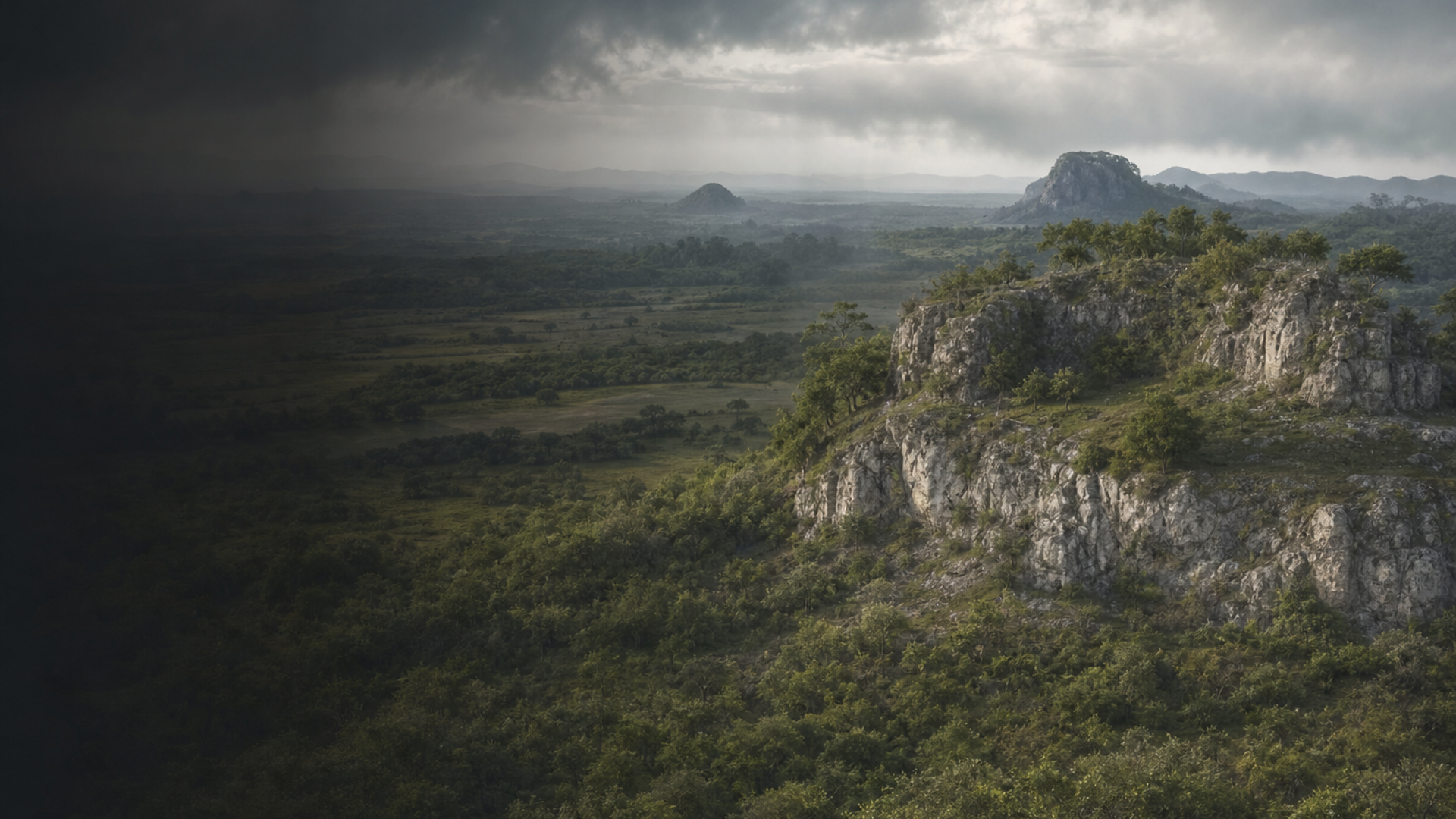
The individual recovered from Mayahak Cab Pek on Belize’s Caribbean slope dates to roughly 5250–4900 BCE, placing it firmly in the early Holocene — a time of rising seas, shifting coastlines, and adaptive human lifeways across Mesoamerica. Archaeological contexts at Mayahak Cab Pek include stratified deposits with shell, fish bone, and stone tools that suggest persistent coastal foraging and small-scale habitation. The site sits within a landscape of lagoons and mangroves that would have offered abundant estuarine resources and seasonally varied plant foods.

The broader picture for this era in Belize and neighboring regions is built from scattered coastal and inland sites; paleoenvironmental records indicate sea-level stabilization and expansion of wetland habitats by 5000 BCE. Limited evidence suggests communities were mobile or semi-sedentary, exploiting riverine and coastal ecotones rather than practicing intensive agriculture at this time. Cultural continuity and change are best viewed as mosaic processes: local traditions adapted to microenvironments, while long-distance connections — via lithic raw material movement or shared tool forms — hint at broader social networks.

Because archaeological sampling in Belize for this period remains sparse, the Mayahak Cab Pek finds are a rare window rather than a complete panorama. Interpretations emphasize adaptive flexibility and intimate knowledge of coastal resources, while acknowledging that many aspects of origin, migration, and interaction patterns remain unresolved.

  • Dated to 5250–4900 BCE (early Holocene)
  • Coastal-forager context: shell, fish remains, stone tools
  • Sparse regional sampling—interpretations are tentative
Chapter IV

Daily Life & Society

Imagine a shoreline of mangroves and lagoons where mornings begin with the low call of wading birds and the flash of fish beneath shallow water. At Mayahak Cab Pek, artefacts and ecofacts paint a portrait of a community attuned to tidal rhythms. Shell middens and fish bone concentrations indicate diets dominated by marine and estuarine resources: fish, crustaceans, and mollusks. Stone tools recovered from the site — small, versatile flakes and ground implements — suggest tasks of processing fish and plants, crafting cordage, and preparing hides.

Settlement patterns were likely flexible: occupation surfaces and midden accumulations imply repeated use across seasons rather than a single permanent village. Social life in such a setting would have revolved around kin-based groups exploiting predictable resources, sharing catch and labor, and maintaining knowledge of tides, currents, and plant cycles. Ornamentation or pigment fragments found at comparable coastal sites hint at symbolic behaviors, but at Mayahak Cab Pek evidence for ritual or hierarchies is minimal.

Archaeological data indicates a subsistence economy rooted in local ecosystems, with mobility and knowledge transmission shaping social organization. The human story here is intimate and ecological — small groups negotiating a rich but dynamic coastal world.

  • Diet centered on estuarine and marine resources (shell, fish)
  • Likely seasonal or repeated short-term occupations, not large permanent settlements
Chapter V

Genetic Profile

Genetic data from Mayahak Cab Pek currently come from a single ancient individual (sample n=1), dated to 5250–4900 BCE. As such, any population-level conclusions are preliminary. The available genetic information has not reported common Y-DNA or mtDNA haplogroups for the population at large; this single genome must be treated as an early data point rather than a definitive signature of regional ancestry.

Despite the small sample size, ancient DNA from Central America and adjacent regions offers a comparative framework: ancient genomes typically reflect deep Native American lineages derived from Late Pleistocene migrations into the Americas, with local differentiation over millennia. Archaeogenetic patterns elsewhere in Mesoamerica show continuity of Indigenous ancestry through time, punctuated by regional admixture events in later periods. For Mayahak Cab Pek, researchers can test affinities to other early Holocene individuals, look for signals of population continuity with later Belize and Maya-associated groups, and examine dietary isotopes alongside genetic sex and kinship markers.

Because only one genome is available, statements about population structure, haplogroup frequencies, or migrations would be speculative. Future sampling from additional burials and sites is essential to build a robust genetic portrait and to link genetic signals to the archaeological lifeways observed at Mayahak Cab Pek.

  • Single ancient genome available—population inferences are preliminary
  • Comparative context suggests affinity to deep Native American lineages, but more samples needed
Chapter VI

Legacy & Modern Connections

Mayahak Cab Pek offers a poignant bridge between deep time and present-day Belize. Archaeological remains tether human stories to specific landscapes — mangrove edges, estuaries, and coastal lagoons — that remain ecologically and culturally significant for communities today. Genetic data, while limited, invites dialogue with descendant communities about ancestry, continuity, and stewardship of ancient remains.

The site's greatest legacy is methodological: it underscores the power of combining archaeology, paleoenvironmental reconstruction, and ancient DNA to recover lifeways otherwise invisible in the archaeological record. But it also warns of limits; with one sample, narratives must remain cautious. Ongoing collaboration, respectful sampling, and expanded fieldwork in Belize are necessary to transform this solitary voice into a chorus that more fully represents the region’s ancient inhabitants.

  • Connects prehistoric coastal lifeways to modern Belizean landscapes
  • Highlights need for more sampling and community collaboration
AI 电源

AI 助手

就 Mayahak Cab Pek: Belize 7,000 Years Ago 文化提问

AI 助手 由DNAGENICS公司制作

解锁此特性
Ask questions about the Mayahak Cab Pek: Belize 7,000 Years Ago culture. Our AI assistant can explain genetic findings, historical context, archaeological evidence, and modern connections.
AI 样本分析

Mayahak Cab Pek: Belize 7,000 Years Ago 文化是人类历史中值得了解的一章……

遗传分析揭示了与早期种群的联系,同时显示了独特的适应和文化创新的证据。 古代DNA样本提供了对迁徙模式、社会结构以及古代种群之间的生物关系的深刻见解。

这是人工智能分析的预览。 解锁全AI 助手, 以探索关于:

  • 遗传组成和祖先
  • 移徙模式和起源
  • 日常生活和文化习俗
  • 现代遗传遗产

探索更古老的文化

揭开古代世界文明的故事

使用优惠码 可减免 35% • 11月12日 到期




