Modern Algeria: Living Heritage

下载的 PDF 是图像副本。如需可选中文本及更好的辅助技术支持,请使用打印功能。

Modern Algeria: Living Heritage

揭开一个失落的文明

正在加载考古记录……

正在收集古代记录

跳转到主内容
Modern Algeria: Living Heritage
文明焦点

Modern Algeria: Living Heritage

Contemporary Algerian communities, seen through archaeology and DNA from Algiers to Batna.

2000 CE
Algeria (Maghreb)
滚动开始
Chapter I

剧情

了解 Modern Algeria: Living Heritage 文化

A concise synthesis of 39 modern Algerian samples (year 2000) connecting urban archaeology in Algiers and Batna with population-genetic patterns across the Maghreb. Archaeological context and genetic evidence illuminate continuity, migration, and regional diversity.

Time Period

2000 CE (modern)

Region

Algeria (Maghreb)

Common Y-DNA

Not reported in dataset

Common mtDNA

Not reported in dataset

Chapter II

时间线

这种文化历史上的关键时刻

2000 CE

Contemporary sampling and synthesis

Thirty-nine modern Algerian samples were collected in 2000 from Algiers, Batna, and an unspecified locality to explore links between archaeology and modern genomes.

Chapter III

Origins & Emergence

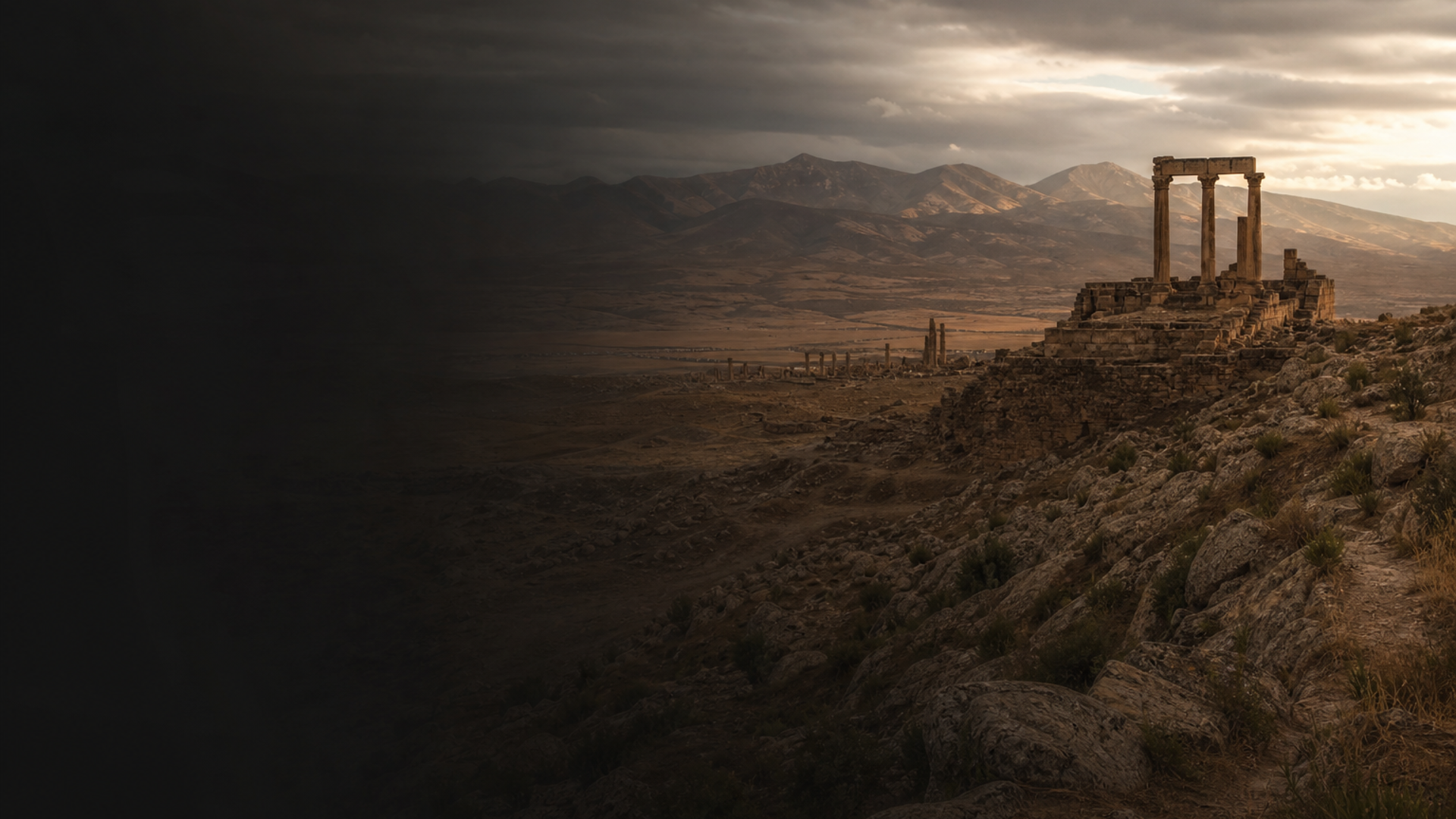
Algeria's modern cultural landscape is the visible crest of a long, layered past. Archaeological data indicates persistent occupation of coastal and inland urban centres: the Casbah of Algiers preserves Ottoman and earlier medieval urban plans, while the region around Batna is dominated by the ruins of Roman Timgad and a palimpsest of earlier Amazigh (Berber) settlements. These material traces—stone streets, reuse of pottery types, and continuity of settlement locations—point to enduring hubs of human life rather than abrupt replacements.

Genetically, modern populations of Algeria inherit this palimpsest. Broad-scale studies of North African genomes suggest a composite ancestry reflecting deep indigenous North African roots, significant prehistoric Mediterranean connections, later gene flow from the Near East, and variable sub-Saharan African input. For this dataset—39 samples collected in 2000 from Algiers, Batna, and an unspecified Algerian locality—archaeological context helps anchor genetic observations to place: urban coastal locations often record greater historical connectivity, while inland highland sites preserve signals of longer-term local continuity.

Limited evidence requires cautious interpretation: archaeological assemblages and modern DNA reflect centuries of movement, trade, conquest, and cultural exchange. Where material culture shows continuity, genetic data may corroborate long-term local ancestry; where artefacts reveal external contacts, DNA often records corresponding admixture events. Together they create a cinematic, evidence-based portrait of emergence rather than a single origin story.

  • Archaeological continuity in Algiers (Casbah) and Batna (near Timgad)
  • Material culture layered with Phoenician, Roman, Islamic, Ottoman, and colonial traces
  • Genetic ancestry reflects indigenous roots plus historical admixture
Chapter IV

Daily Life & Society

The daily life of modern Algerians, when seen through archaeological lenses, is a story of urban rhythms and rural resilience. Excavations and surface surveys reveal marketplaces, domestic ceramics, and infrastructure that echo long-standing economic and social practices: coastal trade networks connect Algiers to the Mediterranean; inland plains and highlands around Batna support agriculture and seasonal movements. The Casbah's narrow lanes and stone houses embody centuries of urban living, while rural material culture preserves craft traditions and agricultural adaptations to a Mediterranean-climate regime.

Archaeological evidence—ceramic assemblages, building techniques, and burial patterns—complements ethnographic and historical records to suggest continuity in foodways, craft, and social organization. For example, pottery forms and domestic architecture show regional traditions with localized innovation, reflecting both local identity and long-distance contacts. In the modern genetic dataset, sampling from urban and inland locales offers a window into how everyday life and mobility shape population structure: port cities and administrative centres tend to be more genetically mixed, while some inland communities show stronger signatures of long-term local ancestry.

Archaeology does not capture every household or practice; material remains preserve specific behaviours. When combined with DNA, however, these traces provide a richer, layered picture of how people lived, moved, and maintained identity across generations.

  • Urban marketplaces and coastal trade in Algiers contrasted with inland agricultural life around Batna
  • Material culture reveals continuity of foodways, craft, and household organization
Chapter V

Genetic Profile

This collection comprises 39 modern Algerian samples taken in 2000 from Algiers, Batna, and one unspecified locality. While modest in size for fine-scale regional inference, the sample set is large enough to suggest patterns consistent with broader North African genetic studies. Archaeogenetic research across the Maghreb indicates a mosaic of ancestries: a substantial component attributable to indigenous North African lineages (often associated with long-term regional continuity), detectable contributions from the Near East and Mediterranean Europe tied to historic exchanges, and varying levels of sub-Saharan African gene flow linked to trans-Saharan contacts.

For this dataset, Y-chromosome and mitochondrial haplogroups are not reported in the metadata provided; therefore conclusions about paternal or maternal lineages must be provisional. Still, the geographic sampling points are informative: Algiers, as a long-standing port and administrative centre, commonly shows greater admixture in comparative studies, whereas inland Batna and nearby highland populations can preserve signals of localized ancestry. Archaeological context helps interpret genetic patterns—settlement continuity or documented historical migrations correspond to expected admixture signals or continuity in DNA.

Caveats: without haplogroup lists or genome-wide statistics, interpretations remain qualitative. Future integration of these samples with larger Maghreb datasets and anchored archaeological provenience will sharpen inferences about migration timing, admixture sources, and the demographic processes that shaped modern Algerian genomes.

  • 39 modern Algerian samples (collected 2000) provide moderate power for regional patterns
  • Dataset lacks reported Y/mtDNA haplogroups—interpretations are therefore provisional
Chapter VI

Legacy & Modern Connections

The legacy of Algeria's living past is visible in city plans, pottery fragments, and in the genomes of people who call the Maghreb home. Archaeological sites like the Casbah of Algiers and the Roman remains near Batna (Timgad) form cultural touchstones that anchor modern identities. Genetic evidence similarly ties living Algerians to a multi-layered ancestry—autochthonous North African roots blended with Mediterranean, Near Eastern, and African threads—underscoring the region's role as a crossroads.

For users of an ancestry platform, these combined lines of evidence offer a measured narrative: modern Algerians inherit complex histories of continuity and contact. Where sample metadata is incomplete (notably haplogroup lists and some locality detail), conclusions should be treated as exploratory. Further sampling across different regions, and pairing archaeological provenience with full genetic markers, will deepen our ability to tell precise, human stories from stones and sequences alike.

  • Cultural continuity visible in urban centres and rural traditions
  • DNA highlights multi-layered ancestry—continuity plus historical admixture
AI 电源

AI 助手

就 Modern Algeria: Living Heritage 文化提问

AI 助手 由DNAGENICS公司制作

解锁此特性
Ask questions about the Modern Algeria: Living Heritage culture. Our AI assistant can explain genetic findings, historical context, archaeological evidence, and modern connections.
AI 样本分析

Modern Algeria: Living Heritage 文化是人类历史中值得了解的一章……

遗传分析揭示了与早期种群的联系,同时显示了独特的适应和文化创新的证据。 古代DNA样本提供了对迁徙模式、社会结构以及古代种群之间的生物关系的深刻见解。

这是人工智能分析的预览。 解锁全AI 助手, 以探索关于:

  • 遗传组成和祖先
  • 移徙模式和起源
  • 日常生活和文化习俗
  • 现代遗传遗产

探索更古老的文化

揭开古代世界文明的故事

使用优惠码 可减免 35% • 11月12日 到期