Modern South Korea — Contemporary Genomes

下载的 PDF 是图像副本。如需可选中文本及更好的辅助技术支持,请使用打印功能。

Modern South Korea — Contemporary Genomes

揭开一个失落的文明

正在加载考古记录……

正在收集古代记录

跳转到主内容
Modern South Korea — Contemporary Genomes
文明焦点

Modern South Korea — Contemporary Genomes

Six contemporary samples linking recent history, archaeology, and DNA

2000 CE
South Korea
滚动开始
Chapter I

剧情

了解 Modern South Korea — Contemporary Genomes 文化

Analysis of six 2000 CE samples from South Korea and a US cell-line repository. Limited sample size constrains conclusions, but the data illuminate how modern demographic processes overlay millennia of peninsula continuity and recent migrations.

Time Period

2000 CE (contemporary)

Region

South Korea

Common Y-DNA

Not reported (no consensus in these 6 samples)

Common mtDNA

Not reported (no consensus in these 6 samples)

Chapter II

时间线

这种文化历史上的关键时刻

2000 CE

Contemporary sampling and repository accession

Six human genome samples from 2000 CE entered analyses; sources include a US cell-line repository and locations in South Korea. Small sample size limits population-level inference.

Chapter III

Origins & Emergence

The six genomes dated to 2000 CE represent people living within a landscape shaped by thousands of years of settlement on the Korean Peninsula. Archaeological layers from Neolithic shell middens to Bronze and Iron Age settlements, through the long historical record of Three Kingdoms, Goryeo and Joseon, create a deep backdrop against which modern genetic patterns are expressed. Modern South Korea's population reflects both long-term biological continuity on the peninsula and pulses of interaction with neighboring regions — maritime contacts, trade with China and Japan, and more recent movements across the globe.

Limited archaeological evidence directly ties individual modern genomes to specific ancient burial contexts; instead, continental and peninsula-wide archaeological syntheses indicate cultural continuity in material culture, agriculture, and settlement that set the stage for present-day populations. Because the dataset here contains only six samples, any inference about emergence or population continuity must remain tentative: these samples are best interpreted as snapshots of a dynamic, modern population rather than definitive representatives of the whole.

  • Modern samples reflect millennia of peninsula habitation and cultural continuity
  • Archaeological context spans Neolithic to Joseon-era continuity across Korea
  • Small sample set (n=6) limits broad conclusions about origins
Chapter IV

Daily Life & Society

The year 2000 captures South Korea at a vivid moment of urban transformation — neon-lit skyscrapers rising beside preserved hanok neighborhoods; ancient palaces and modern subway lines layered in the same cityscape. Archaeological projects in urban cores (for example, rescue excavations in Seoul and Busan) reveal continuous occupation and the material traces of trade, craft, and household life that echo into the present. These modern genomes belong to people embedded in a densely interconnected society characterized by rapid industrialization during the 20th century, high internal migration from rural to urban areas, and expanding international ties.

Social structures, family histories, and recent migration all shape genetic patterns. Contemporary life histories (migration for education, labor, or marriage) mean that a 2000 CE sample may carry signals of both local peninsula ancestry and recent, sometimes international, genealogical inputs. Ethnographic and documentary records complement archaeology and genetics, allowing researchers to link life stories to molecular data while respecting privacy and ethical constraints.

  • Urban and rural continuities visible in modern archaeological projects
  • Rapid 20th-century urbanization and international migration shape genomes
Chapter V

Genetic Profile

These six samples (collection year 2000 CE) were sourced from a US cell-line repository and locations in South Korea. The dataset lacks reported consensus Y-DNA or mtDNA haplogroups for these individuals, so specific lineage frequencies cannot be asserted from this group alone. Broadly, larger-scale studies of Korean and peninsula populations have documented predominant East Asian paternal and maternal lineages, but such population-level patterns should not be retrofitted onto a tiny sample.

Because sample count is below ten (n=6), results are preliminary. Small numbers magnify stochastic effects: a handful of individuals can reflect family histories, recent migration, or sampling bias (for example, convenience sampling from clinical or cell-line collections). Archaeological evidence offers a long-term expectation of peninsula continuity, while genetics in larger datasets reveal continuity punctuated by admixture events over millennia. For these six genomes, the responsible interpretation is cautious: they provide valuable individual-level data and points of comparison for future, larger studies but cannot alone characterize the diversity of modern South Korea.

  • Six modern samples: sourced from a US cell-line repository and South Korea
  • No consensus Y- or mtDNA haplogroups reported in this small dataset
Chapter VI

Legacy & Modern Connections

These contemporary genomes tie living individuals to a peninsula whose archaeological record is rich and multilayered. They are direct descendants of the human trajectories preserved in Korean archaeology — from prehistoric settlements to historic kingdoms — but they are also shaped by recent events: 20th-century migrations, diaspora communities (including sizable Korean communities in the United States), and global medical and research networks that host cell-line repositories.
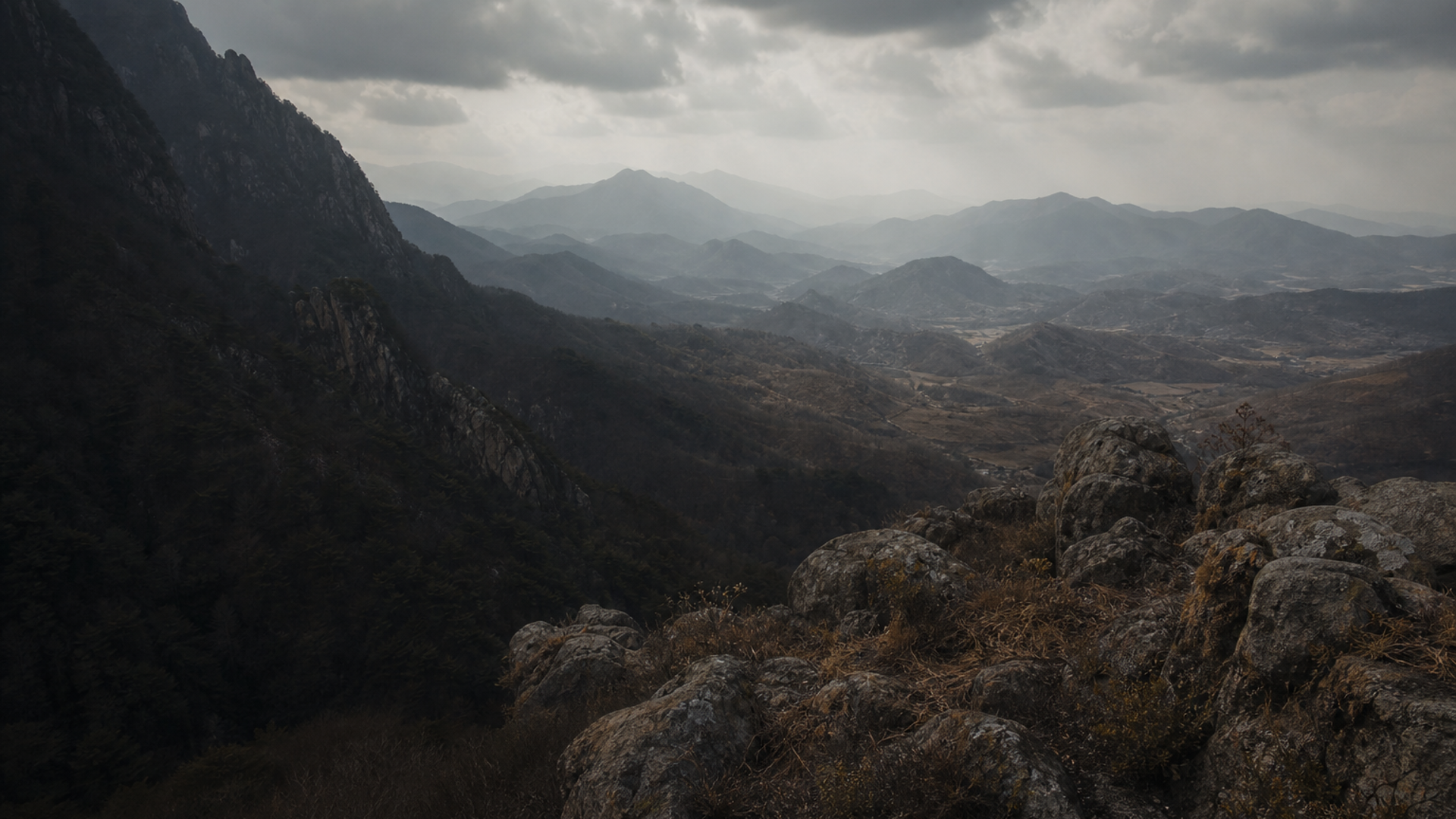
The scientific value of these samples lies in their integration: archaeological context frames expectations of continuity, while genetics reveals the fine-scale effects of modern mobility and family history. Given the small sample size, continued sampling with clear provenance, ethical consent, and linkage to archaeological and historical records is essential to deepen our understanding.

  • Modern genomes reflect both deep peninsula continuity and recent mobility
  • Further ethically sourced sampling is needed to draw population-scale conclusions
AI 电源

AI 助手

就 Modern South Korea — Contemporary Genomes 文化提问

AI 助手 由DNAGENICS公司制作

解锁此特性
Ask questions about the Modern South Korea — Contemporary Genomes culture. Our AI assistant can explain genetic findings, historical context, archaeological evidence, and modern connections.
AI 样本分析

Modern South Korea — Contemporary Genomes 文化是人类历史中值得了解的一章……

遗传分析揭示了与早期种群的联系,同时显示了独特的适应和文化创新的证据。 古代DNA样本提供了对迁徙模式、社会结构以及古代种群之间的生物关系的深刻见解。

这是人工智能分析的预览。 解锁全AI 助手, 以探索关于:

  • 遗传组成和祖先
  • 移徙模式和起源
  • 日常生活和文化习俗
  • 现代遗传遗产

探索更古老的文化

揭开古代世界文明的故事

使用优惠码 可减免 35% • 11月12日 到期




