Mogushan Xianbei: Steppe Echoes

下载的 PDF 是图像副本。如需可选中文本及更好的辅助技术支持,请使用打印功能。

Mogushan Xianbei: Steppe Echoes

揭开一个失落的文明

正在加载考古记录……

正在收集古代记录

跳转到主内容
Mogushan Xianbei: Steppe Echoes
文明焦点

Mogushan Xianbei: Steppe Echoes

Fragments of Iron Age life from Hulunbuir that link archaeology with northern East Asian genomes

50 CE - 2501 CE
Inner Mongolia (Hulunbuir), China
滚动开始
Chapter I

剧情

了解 Mogushan Xianbei: Steppe Echoes 文化

Archaeological finds from the Mogushan Xianbei site (Inner Mongolia, 50–250 CE) reveal material culture of Iron Age Xianbei communities. Three sampled individuals show Y-DNA haplogroup C and mtDNA C/Z, suggesting ties to northern East Asian and Amur-region ancestries; conclusions remain preliminary.

Time Period

50–250 CE (1st–3rd c. CE)

Region

Inner Mongolia (Hulunbuir), China

Common Y-DNA

C (observed in all 3 samples)

Common mtDNA

C (2), Z (1)

Chapter II

时间线

这种文化历史上的关键时刻

50 CE

Localized Xianbei presence

Archaeological strata at Mogushan indicate established habitation and funerary activity beginning around the 1st century CE.

150 CE

Regional interaction peak

Material culture suggests active exchange across the Amur-Mongolian corridors during the 2nd century CE.

250 CE

Late Iron Age transitions

By the 3rd century CE, shifting social and environmental dynamics mark transformations in settlement and mortuary practices.

Chapter III

Origins & Emergence

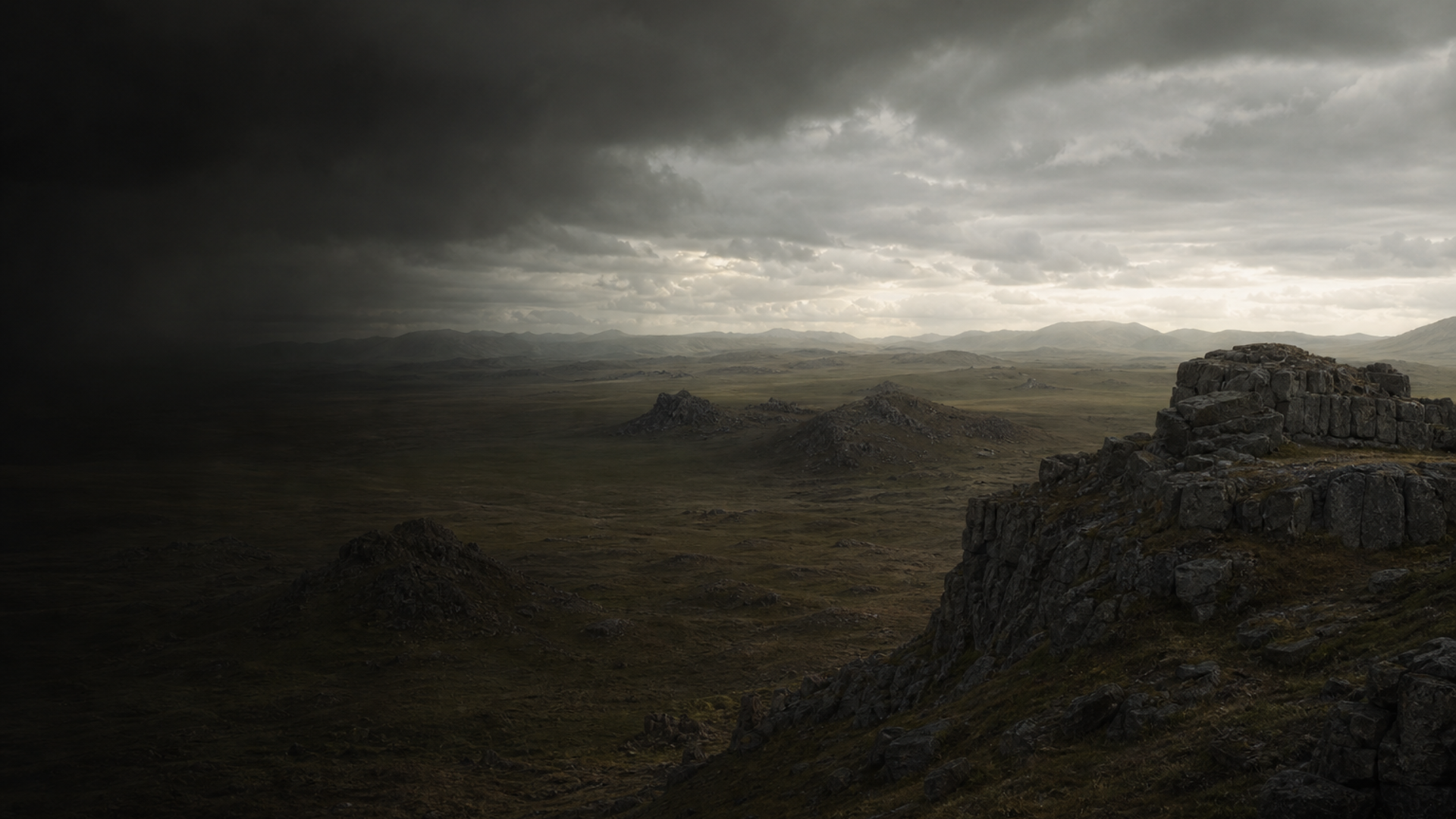
The Mogushan Xianbei assemblage sits at the northern edge of imperial China and the southern slopes of the Amur watershed, a liminal landscape where riverine forests meet open grasslands. Archaeological data indicates occupation and mortuary activity at the Mogushan Xianbei site in Hulunbuir during the Iron Age, roughly between 50 and 250 CE. Material culture—funerary layouts, portable ornaments, and metallurgical fragments—reflects a world shaped by mobility, steppe pastoralism, and transregional exchange across the Mongolian Plateau and the Amur River region.

Limited evidence suggests these communities participated in trade and cultural networks that linked the northeastern Asian interior to coastal and riverine corridors. The Xianbei identity, as archaeologists reconstruct it here, emerges from layered local traditions and incoming influences; pottery styles and bronze objects show both continuity with earlier regional expressions and innovations consistent with Iron Age pastoral societies. Genetic data from three individuals at Mogushan begins to anchor these archaeological patterns in ancestry: predominantly Y-haplogroup C and maternal lineages C and Z indicate affinities with northern East Asian and Amur-related populations. Because the sample size is small, these signals are suggestive rather than definitive—useful hints for mapping how people and ideas moved through this cold, luminous landscape.

  • Occupations dated to 50–250 CE at Mogushan, Hulunbuir, Inner Mongolia
  • Material culture reflects steppe-pastoral and riverine interactions
  • Limited genetic samples point to northern East Asian/Amur affinities
Chapter IV

Daily Life & Society

Archaeological remains from Mogushan evoke everyday rhythms: herds moving between seasonal pastures, hearths churning in wooden dwellings, and burials placed with personal adornments that speak to status, craft, and belief. Animal bones, when preserved, suggest diets combining domesticated herd animals with wild resources from nearby forests and rivers. Metallurgical debris and ornament fragments suggest skilled metalworking and connections to broader craft traditions of the Iron Age steppe.

Social organization at the Mogushan site likely balanced kin-based households with wider alliance networks. Funerary variability—differences in grave goods and burial architecture—may indicate social differentiation, age- or sex-linked roles, or shifting wealth derived from trade and herding success. The landscape itself shaped practice: rivers provided fish and transport routes; forest margins offered shelter and material; open steppe fields enabled mobility of flocks and mounted life. Archaeological interpretations must remain cautious: depositional bias and limited excavation contexts leave many aspects of daily life inferred rather than conclusively demonstrated.

  • Economy likely centered on pastoralism with supplementary fishing and hunting
  • Grave goods and metallurgy indicate skilled craft and social differentiation
Chapter V

Genetic Profile

Three individuals sampled from the Mogushan Xianbei site provide a first genetic glimpse into this Iron Age community. All three carry Y-chromosome haplogroup C, a lineage widely distributed among northern and northeastern Eurasian populations and often associated with early northern East Asian and some steppe groups. Mitochondrial DNA results show two individuals with mtDNA haplogroup C and one with mtDNA haplogroup Z, both maternal lineages common in Amur-region and northeastern Asian contexts.

These patterns suggest biological affinities with populations of the Amur River basin and broader northern East Asia, consistent with archaeological signals of interaction across the region. However, with only three genomes, any population-level inference is provisional—small sample counts can overemphasize particular lineages. Genetic continuity, admixture with neighboring groups, and potential sex-biased mobility (patrilocality or exogamy) are plausible scenarios but cannot be resolved here without larger datasets. Future sampling across temporal layers and neighboring sites will be essential to test whether the Mogushan genetic snapshot reflects a local norm, a migrant group, or a kin cluster within a more genetically diverse landscape.

  • Y-DNA C observed in all three male-line samples
  • mtDNA C and Z point to northern East Asian/Amur-region maternal ancestry
Chapter VI

Legacy & Modern Connections

The Mogushan Xianbei remains offer a cinematic bridge between ancient steppe lifeways and the genetic tapestry of northeastern Asia. Archaeology paints daily gestures and material exchange; genetics offers molecular echoes of those movements. Present-day populations across Inner Mongolia, the Amur basin, and parts of Siberia carry lineages—such as Y-haplogroup C and mtDNA C/Z—that also appear in these Iron Age individuals, hinting at deep-rooted regional continuities.

Caution is essential: three samples cannot map complex historical processes. Still, when combined with regional archaeology and larger genetic surveys, these data can illuminate processes of migration, local continuity, and cultural transformation that shaped the medieval and modern peoples of northeastern Asia. The Mogushan finds thus stand as an evocative, carefully measured chapter in a long human story of adaptation on the northern edge of empire.
  • Modern northern East Asian groups share some lineages observed at Mogushan
  • Small sample size means modern connections are suggestive, not conclusive
AI 电源

AI 助手

就 Mogushan Xianbei: Steppe Echoes 文化提问

AI 助手 由DNAGENICS公司制作

解锁此特性
Ask questions about the Mogushan Xianbei: Steppe Echoes culture. Our AI assistant can explain genetic findings, historical context, archaeological evidence, and modern connections.

AI 样本分析

Mogushan Xianbei: Steppe Echoes 文化是人类历史中值得了解的一章……

遗传分析揭示了与早期种群的联系,同时显示了独特的适应和文化创新的证据。 古代DNA样本提供了对迁徙模式、社会结构以及古代种群之间的生物关系的深刻见解。

这是人工智能分析的预览。 解锁全AI 助手, 以探索关于:

  • 遗传组成和祖先
  • 移徙模式和起源
  • 日常生活和文化习俗
  • 现代遗传遗产

探索更古老的文化

揭开古代世界文明的故事

使用优惠码 可减免 35% • 11月12日 到期




