Neolithic Shores of Central Italy

下载的 PDF 是图像副本。如需可选中文本及更好的辅助技术支持,请使用打印功能。

Neolithic Shores of Central Italy

揭开一个失落的文明

正在加载考古记录……

正在收集古代记录

跳转到主内容
Neolithic Shores of Central Italy
文明焦点

Neolithic Shores of Central Italy

Early farming communities in central Italy (6068–5035 BCE) seen through bones and genomes

6068 CE - 5035 BCE
Central Italy (Abruzzo, Marche, Ancona areas)
滚动开始
Chapter I

剧情

了解 Neolithic Shores of Central Italy 文化

Archaeological and ancient-DNA evidence from 11 individuals (Grotta Continenza, Ripabianca di Monterado, Maddalena di Muccia) illuminates early Neolithic Italy. Genetic signals suggest Anatolian farmer ancestry with traces of local hunter-gatherer input; interpretations remain cautious given sample size.

Time Period

6068–5035 BCE (Neolithic)

Region

Central Italy (Abruzzo, Marche, Ancona areas)

Common Y-DNA

J (2), R (1), G (1)

Common mtDNA

K (4), U (3), H (2), H2a (1), J (1)

Chapter II

时间线

这种文化历史上的关键时刻

6000 BCE

Arrival of early farming lifeways

Archaeological and genetic evidence indicates the spread of domesticated plants, animals and Anatolian-derived ancestry into central Italy around this time.

Chapter III

Origins & Emergence

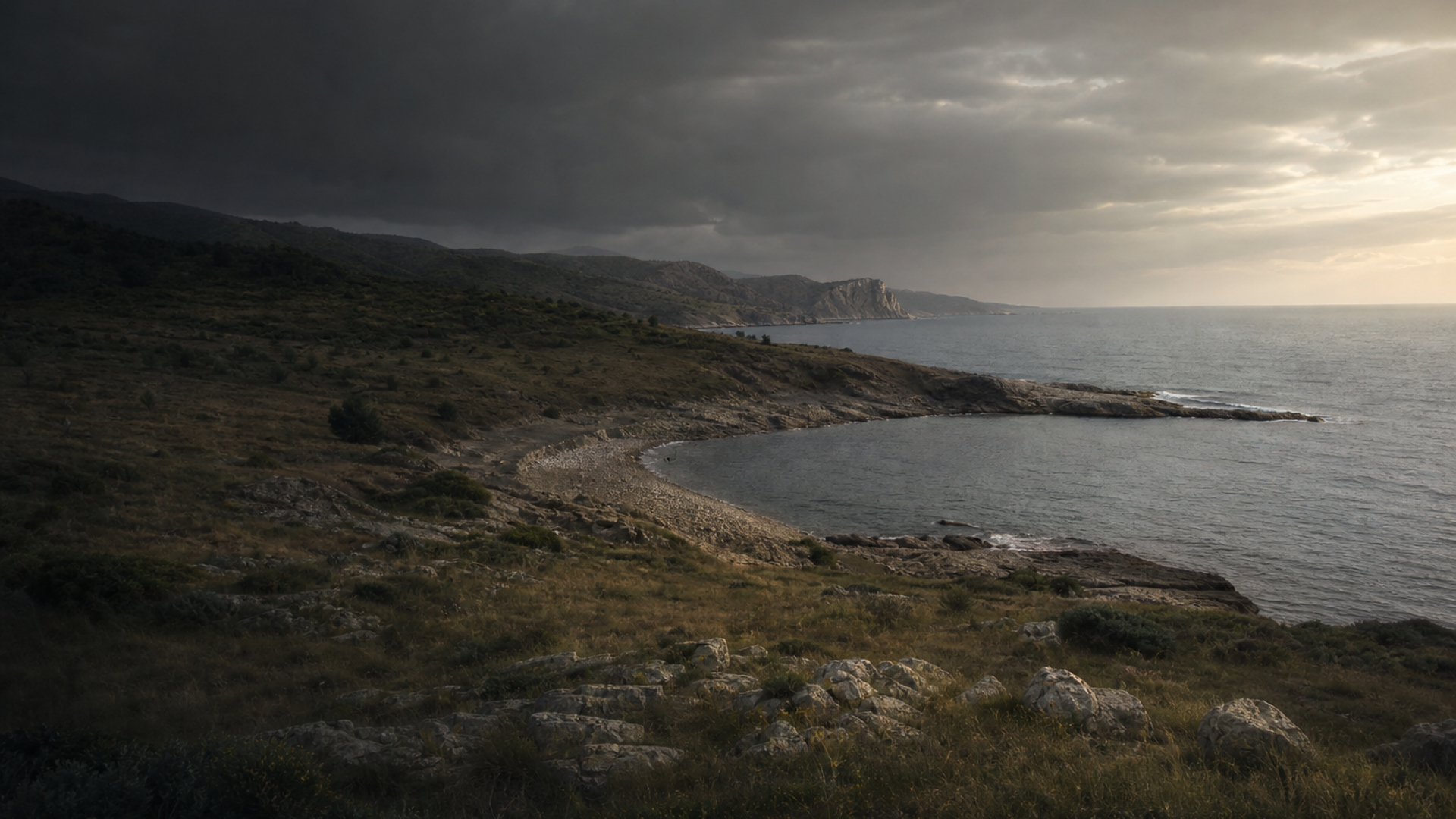
Beneath limestone cliffs and in sheltered caves of central Italy, early farming communities took root between roughly 6068 and 5035 BCE. Archaeological data indicates that sites such as Grotta Continenza, Ripabianca di Monterado and Maddalena di Muccia preserve hearths, pottery fragments and animal bone assemblages consistent with small, settled farming households. The material culture—simple ceramics, ground stone tools and domesticate remains—fits within the broader westward spread of Neolithic lifeways from Anatolia into the Adriatic and Tyrrhenian corridors.

Genomic data from 11 ancient individuals provides a complementary line of evidence. The predominance of mitochondrial lineages like K and H, and the presence of Y-chromosome lineages J and G, echo patterns seen among early European farmers broadly associated with Anatolian migration. At the same time, mtDNA U lineages and a single R-class Y signal hint at admixture with local Mesolithic groups. Limited sample size and geographic clustering mean these patterns are a portrait rather than a census: archaeological and genetic signals agree on an Anatolian-derived farming presence, but the extent and tempo of contact with indigenous foragers remain subjects of active research.

Taken together, the archaeological record and genomes paint a scene of emerging agrarian life along central Italian shores—an interplay of imported practices and regional adaptations.

  • Sites: Grotta Continenza, Ripabianca di Monterado, Maddalena di Muccia
  • Dates: 6068–5035 BCE, early Neolithic horizon
  • Evidence of Anatolian-derived farming with local admixture
Chapter IV

Daily Life & Society

Archaeological deposits suggest households built around mixed farming and foraging. Ceramic sherds and grinding stones indicate processing of cereals and pulses, while faunal assemblages point to domesticated sheep, goats and pigs alongside exploited wild species. Hearths and features preserved at cave and open-air contexts imply seasonal use and intimate household economies rather than large, nucleated urban centers.

Social life likely centered on kin networks: the genetic samples originate from burial or skeletal contexts at the named sites, suggesting small community groups with intergenerational residence. Craft production appears modest—pottery made for storage and cooking, local lithic tools for carpentry and plant processing. The coastal and riverine landscapes of Marche and central Italy offered a mosaic of fields, scrub, and rich marine resources; archaeological evidence indicates people moved across these zones, combining farming with hunting, fishing and gathering.

Material culture reveals choices shaped by environment: thin-walled ceramics suited to boiling and storage, and small portable tools for a mobile-agricultural lifeway. Burial evidence is limited in number; where human remains occur they provide both archaeological context and the DNA that connects skeletons to broader population movements. In short, these communities lived at the junction of sea and hill, of imported techniques and local survival strategies.

  • Mixed farming economy with domesticated animals and wild resources
  • Small household groups, modest craft production, seasonal mobility
Chapter V

Genetic Profile

The genetic snapshot from 11 individuals offers a tight but informative window into Neolithic central Italy. Maternal lineages are dominated by haplogroup K (4/11) and include H and U types—K and H are frequently associated with early farmers in Europe, while U-lineages often mark Mesolithic hunter-gatherer ancestry. On the paternal side, identified Y haplogroups include J (2), G (1) and R (1). J and G are common in early farmer-associated contexts and are consistent with an Anatolian-derived demographic contribution to the Italian Neolithic.

The presence of U mtDNA and an R-class Y signal suggests gene flow from local forager populations into incoming farming groups, supporting a model of admixture rather than complete replacement. These genetic observations align with archaeological indicators of cultural interaction: the toolkit and subsistence strategies show both introduced and endemic elements. However, with only 11 genomes, statistical power is limited—patterns such as frequency estimates and fine-scale sub-lineage assignments remain tentative and could change as more samples are added.

In population-genetic terms, Italy_N fits within the broader cluster of Neolithic European farmers, but with measurable hunter-gatherer ancestry and local variation. Future high-coverage genomes and wider geographic sampling will be needed to resolve timing, sex-biased admixture and micro-regional differences.

  • mtDNA dominated by K and H; U lineages indicate hunter-gatherer input
  • Y-DNA J and G suggest Anatolian farmer ancestry; R hints at local admixture
Chapter VI

Legacy & Modern Connections

The genetic and archaeological signal from these early Neolithic sites forms a foundational layer in the deep ancestry of Italian populations. Maternal lineages such as K and H persist in modern Europe, and the demographic expansion of Anatolian-derived farmers contributed substantial ancestry to later communities. Yet the story is palimpsestic: subsequent Bronze Age movements, Roman-era mobility and medieval migrations overlaid and reshaped this Neolithic substrate.

For people exploring their DNA today, Italy_N represents an ancestral chapter—one of the early farming groups that helped transform Mediterranean landscapes and diets. Interpretations should be cautious: 11 samples provide a valuable but limited glimpse, useful for recognizing broad Neolithic signals and local admixture, not for definitive regional pedigrees. As more archaeological genomes are added, the contours of continuity and change between Neolithic villagers and later Italian populations will become clearer.

  • Contributes to the Neolithic ancestry layer in modern Italians
  • Findings are informative but preliminary — larger samples needed
AI 电源

AI 助手

就 Neolithic Shores of Central Italy 文化提问

AI 助手 由DNAGENICS公司制作

解锁此特性
Ask questions about the Neolithic Shores of Central Italy culture. Our AI assistant can explain genetic findings, historical context, archaeological evidence, and modern connections.
AI 样本分析

Neolithic Shores of Central Italy 文化是人类历史中值得了解的一章……

遗传分析揭示了与早期种群的联系,同时显示了独特的适应和文化创新的证据。 古代DNA样本提供了对迁徙模式、社会结构以及古代种群之间的生物关系的深刻见解。

这是人工智能分析的预览。 解锁全AI 助手, 以探索关于:

  • 遗传组成和祖先
  • 移徙模式和起源
  • 日常生活和文化习俗
  • 现代遗传遗产

探索更古老的文化

揭开古代世界文明的故事

使用优惠码 可减免 35% • 11月12日 到期





