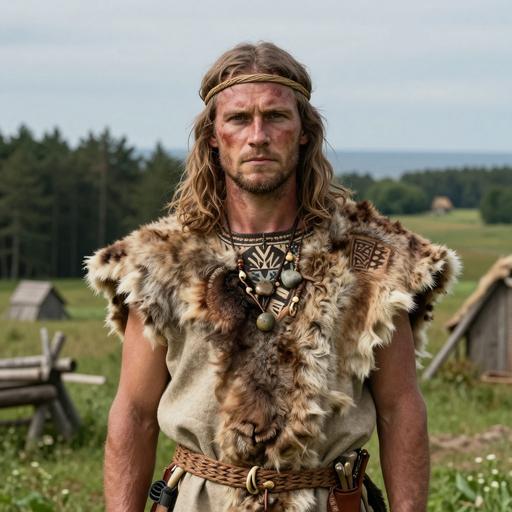
North Sea Bronze: Nordic Bronze Age

下载的 PDF 是图像副本。如需可选中文本及更好的辅助技术支持,请使用打印功能。

North Sea Bronze: Nordic Bronze Age

揭开一个失落的文明

正在加载考古记录……

正在收集古代记录

跳转到主内容
North Sea Bronze: Nordic Bronze Age
文明焦点

North Sea Bronze: Nordic Bronze Age

Maritime hunters, bronze artisans and their genetic echoes across Sweden, Finland and Denmark

3100 BCE - 800 CE
Sweden, Finland, Denmark (Gotland, Levanluhta, Djursland)
13 Ancient Samples
滚动开始
Chapter I

剧情

了解 North Sea Bronze: Nordic Bronze Age 文化

Archaeology and ancient DNA from Gotland, Levanluhta and Danish cists reveal a maritime-born Nordic Bronze Age with strong Mesolithic maternal ancestry and mixed paternal lineages. Samples (n=85) show cultural continuity and waves of admixture between 3100 BCE and 800 CE.

Time Period

c. 3100 BCE – 800 CE

Region

Sweden, Finland, Denmark (Gotland, Levanluhta, Djursland)

Common Y-DNA

I (dominant), R (minor), P (rare)

Common mtDNA

U (dominant), K, U4d, HV0/HV

Chapter II

时间线

这种文化历史上的关键时刻

1700 BCE

Bronze technology and exchange intensify

Bronze metallurgy and long-distance exchange networks peak in the region, increasing social differentiation and introducing new material styles across Denmark and Gotland.

Chapter III

Origins & Emergence

The Nordic Bronze Age in this dataset emerges from a deep coastal tradition long associated with the Pitted Ware cultural horizon (ca. 3200–2300 BCE) and later Bronze Age innovations. Archaeological loci such as Ajvide (Eksta parish, Gotland), Västerbjers and Stora Karlsö on Gotland, and mainland Danish sites like Gjerrild Cist and Trundholm span shoreline settlements, cist burials and ritual deposits. Levanluhta (Isokyro, Finland) represents a distinct northern strand with water-associated deposition and later reuse into the Iron Age.

Material culture—pit-decorated pottery, marine hunting gear, and later bronze tools and iconography—speaks to continuity of maritime lifeways even as metallurgy and long-distance exchange increase. Radiocarbon and stratigraphic data indicate the sampled sequence covers Late Neolithic to historic-period reuse (3100 BCE–800 CE); therefore patterns seen here blend multiple phases. Archaeological data indicates interactions with Scandinavian mainland Bronze Age traditions (Denmark) and both continuity and change in coastal communities. Limited evidence suggests local innovations in ritual deposition and seafaring technology, while broader pan-North Sea exchange brought new metalworking and stylistic motifs into the region.

  • Roots in Pitted Ware maritime hunter-gatherer traditions (c. 3200–2300 BCE)
  • Key sites: Ajvide, Västerbjers, Stora Karlsö, Levanluhta, Gjerrild Cist, Trundholm
  • Temporal span includes Late Neolithic, Bronze Age and later reuse (3100 BCE–800 CE)
Chapter IV

Daily Life & Society

Life along the Baltic littoral was shaped by the sea: fishing, seal-hunting, and seasonal coastal grazing underpinned subsistence, while bronze tools and ornaments signaled new social distinctions. At Ajvide and Västerbjers, hearths and midden deposits record diets rich in fish and marine mammals interwoven with domestic animals from mixed littoral economies. Stone cist burials such as Gjerrild and small cemetery clusters on Gotland point to local kin-based communities who invested in both shared ritual places and personal display objects.

Craftspeople produced decorated pottery—the pitted ware tradition—and, later, sophisticated bronze fittings and ornamentation. Trundholm's “sun chariot” (Denmark) and portable metalwork testify to symbolic landscapes saturated with cosmological motifs. Levanluhta's water burial context offers a more somber window: human remains deposited in lake sediments indicate complex mortuary choices possibly tied to ritual, conflict or social crisis; archaeological interpretation remains debated. Settlement patterns show mobility tied to seasonal resources and longshore exchange; ethnographic analogy and wear analyses on tools imply skilled seamanship. Social life likely combined small-scale egalitarian bands with emerging status differences visible in grave goods during the Bronze Age.

  • Maritime subsistence: fish, seals, mixed pastoralism
  • Burials range from stone cists to lake deposits (Levanluhta), implying varied mortuary practices
Chapter V

Genetic Profile

The genetic sample (n=85) across Scandinavian localities reveals a striking maternal continuity coupled with more complex paternal patterns. Mitochondrial DNA is dominated by haplogroup U (45 counts), with notable contributions from K (10), U4d (8), HV0 (4) and HV (3). High frequencies of U-lineages are consistent with persistent Mesolithic and Neolithic hunter-gatherer maternal ancestry documented across northern Europe, suggesting strong continuity of female-line descent in coastal communities.

Y-chromosome results show haplogroup I as the most common paternal lineage (22 counts), with smaller numbers of R (5) and a single P (1). Haplogroup I is broadly associated with long-term Scandinavian and northwestern European male lineages, while R-types are often linked to later Steppe-related expansions that carry Indo-European-associated ancestry in parts of Europe. The near-dominance of I alongside abundant U mtDNA suggests that, in these coastal contexts, local hunter-gatherer lineages remained influential even as new genetic components arrived. However, samples span many centuries and regions; temporal heterogeneity is substantial. Limited counts of R and P indicate admixture was present but not uniformly pervasive.

Overall, the picture is one of admixture and persistence: maritime communities retained deep maternal roots while incorporating incoming elements through time. Because samples combine multiple sites and periods, fine-scale demographic modeling is required to resolve sex-biased migrations and the timing of Steppe-related influxes.

  • High mtDNA U suggests strong Mesolithic/Neolithic maternal continuity
  • Y-DNA dominated by I; R and P present but minor, indicating episodic admixture
Chapter VI

Legacy & Modern Connections

The archaeological and genetic threads from Gotland, Levanluhta and Danish cists weave into the tapestry of modern Scandinavia. Present-day populations in Sweden, Denmark and Finland retain measurable ancestry components that reflect both the long-term coastal hunter-gatherer substratum (mtDNA U-lineages) and later influxes associated with Bronze Age mobility (Y-DNA R-types and autosomal Steppe-related ancestry). This genomic continuity aligns with durable cultural motifs: maritime craft, seafaring technology and symbolic bronze art that persisted in northern lifeways.

Caution is essential: genetic continuity does not map one-to-one onto languages or cultural identities. While Steppe-related ancestry is a plausible vector for Indo-European languages in parts of Europe, the relationship in coastal Scandinavia remains complex and regionally variable. The dramatic visual motifs of the Bronze Age—sun imagery, chariots and weaponry—left a lasting cultural legacy, but interpretations about social hierarchy, belief systems and identity require integrated archaeological and aDNA study. Continued sampling with finer chronological control will sharpen how these ancient communities contributed to the genetic and cultural makeup of northern Europe.

  • Modern Scandinavian genomes reflect both deep hunter-gatherer maternal ancestry and later admixture
  • Cultural motifs (maritime craft, bronze iconography) echo in regional heritage, but biological and cultural continuity are complex
Chapter VII

样本目录

13 份与 North Sea Bronze: Nordic Bronze Age 文化相关的古 DNA 样本,为研究该时期的人群提供遗传线索。

13 / 13 samples
纵向 样本 国家 大纪元 日期 文化 性别 Y-DNA mtDNA
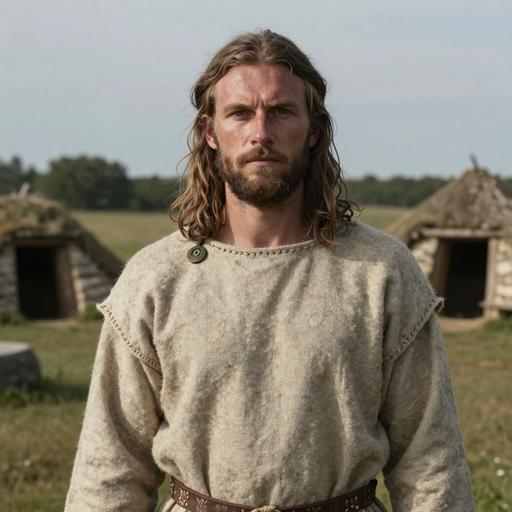
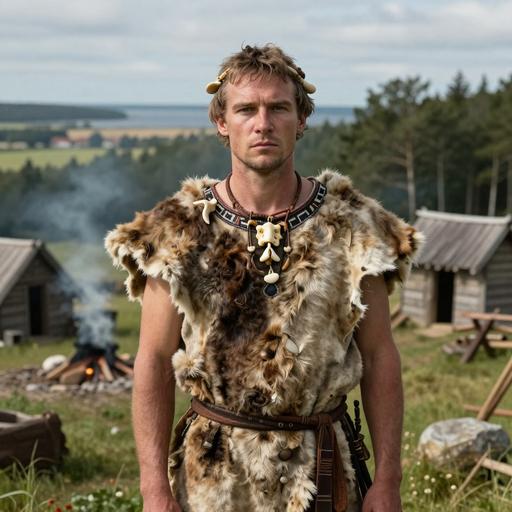
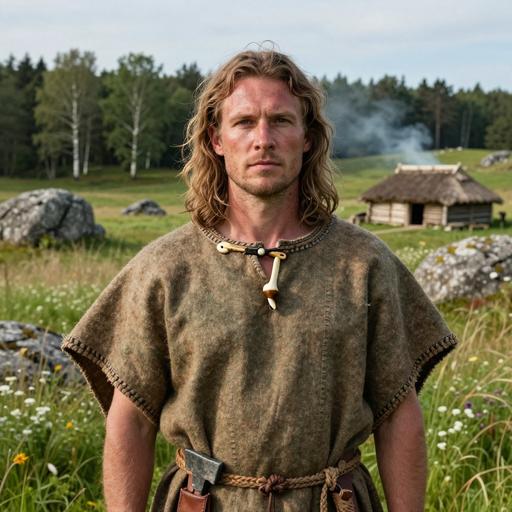
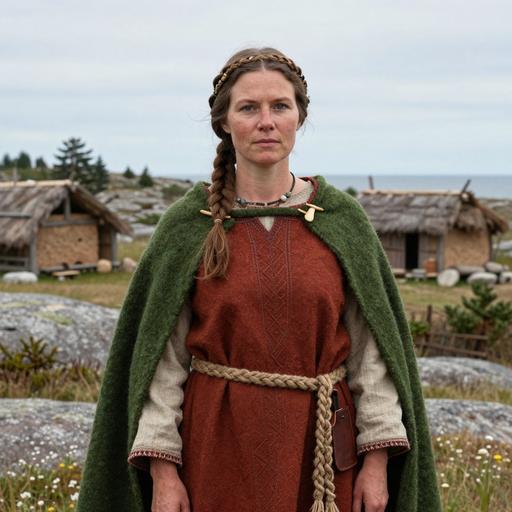
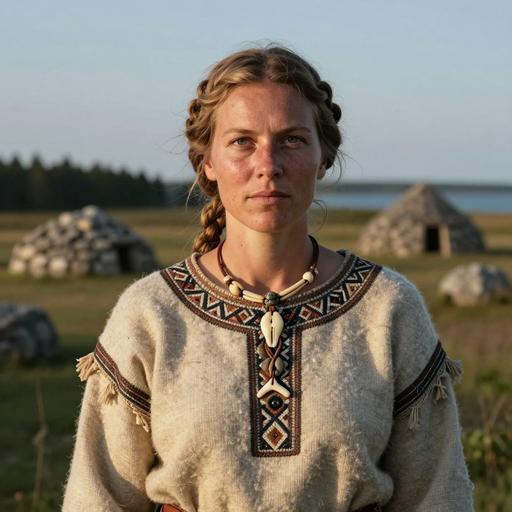
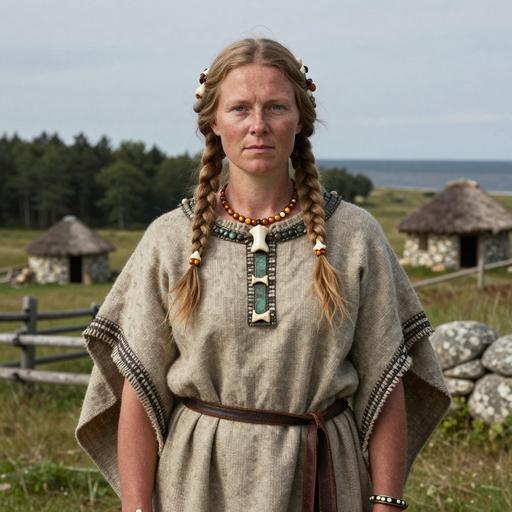
重建的肖像画 Nordic Bronze Age individual, Sweden
Nordic Bronze Age individual, Sweden
Sweden Sweden_Gotland_Vasterbjers_PittedWare_BattleAxe 3091 BCE Nordic Bronze Age M - U5b2a2
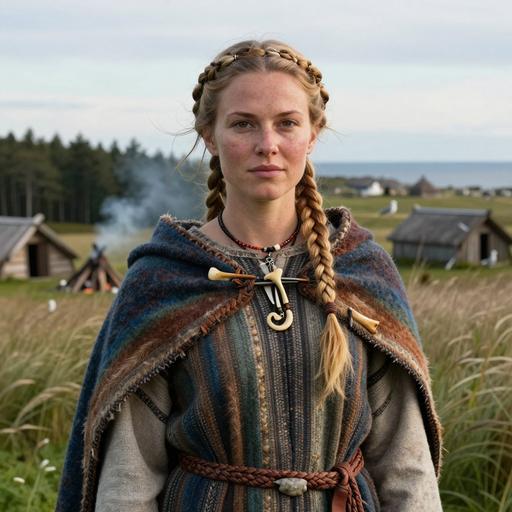
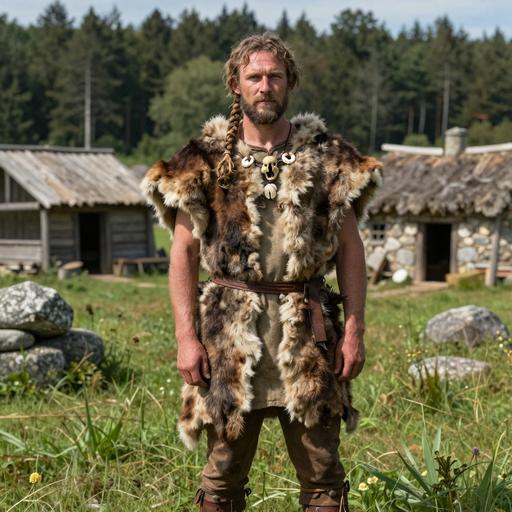
重建的肖像画 Nordic Bronze Age individual, Sweden
Nordic Bronze Age individual, Sweden
Sweden Sweden_Gotland_Vasterbjers_PittedWare_BattleAxe 3011 BCE Nordic Bronze Age F - K1a3
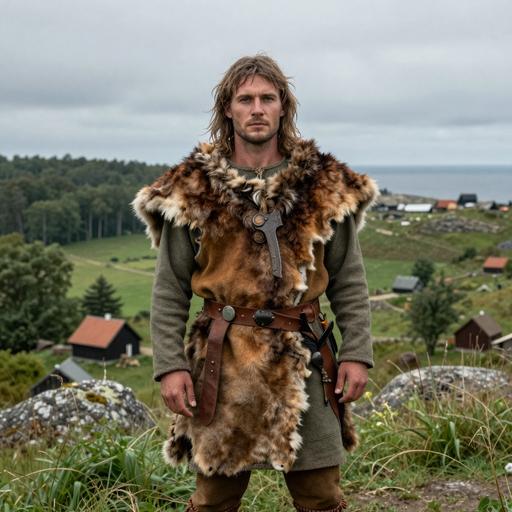
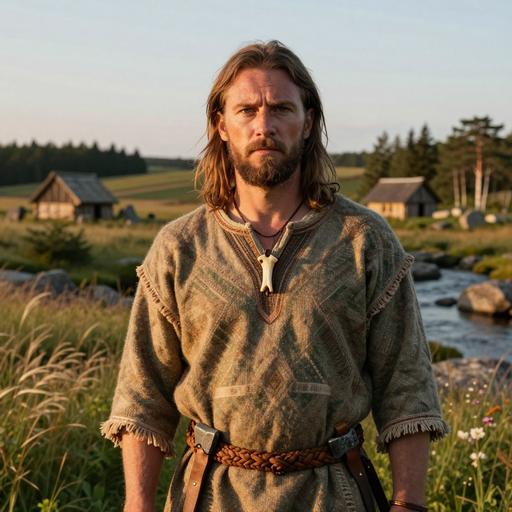
重建的肖像画 Nordic Bronze Age individual, Sweden
Nordic Bronze Age individual, Sweden
Sweden Sweden_Gotland_Vasterbjers_PittedWare_BattleAxe 3011 BCE Nordic Bronze Age M - T2b11
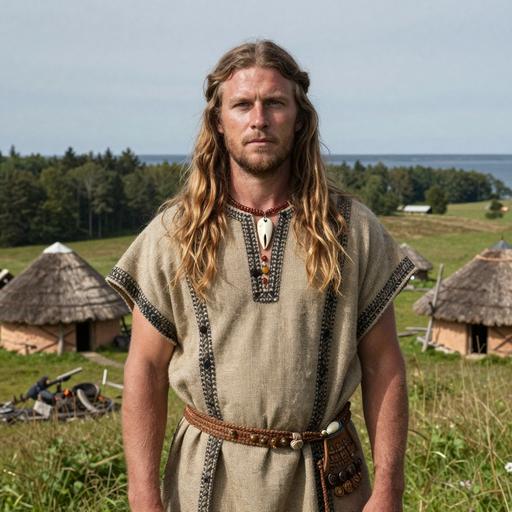
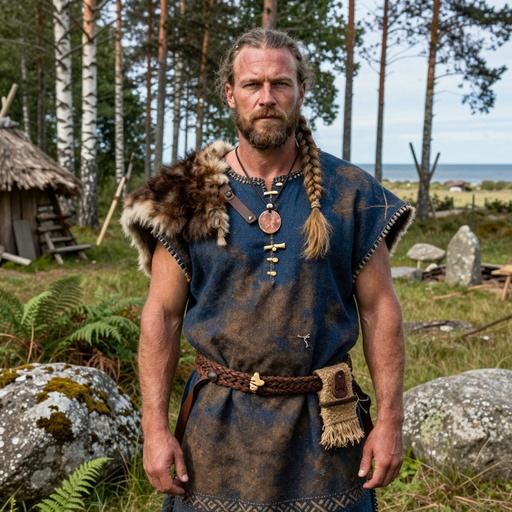
重建的肖像画 Nordic Bronze Age individual, Sweden
Nordic Bronze Age individual, Sweden
Sweden Sweden_Gotland_Vasterbjers_PittedWare_BattleAxe 2914 BCE Nordic Bronze Age M - U4a2
重建的肖像画 Nordic Bronze Age individual, Sweden
Nordic Bronze Age individual, Sweden
Sweden Sweden_Gotland_Vasterbjers_PittedWare_BattleAxe 3014 BCE Nordic Bronze Age M - U5b1d
重建的肖像画 Nordic Bronze Age individual, Sweden
Nordic Bronze Age individual, Sweden
Sweden Sweden_Gotland_Vasterbjers_PittedWare_BattleAxe 3011 BCE Nordic Bronze Age M - U5a2
重建的肖像画 Nordic Bronze Age individual, Sweden
Nordic Bronze Age individual, Sweden
Sweden Sweden_Gotland_Vasterbjers_PittedWare_BattleAxe 2913 BCE Nordic Bronze Age F - U5b2a2
重建的肖像画 Nordic Bronze Age individual, Sweden
Nordic Bronze Age individual, Sweden
Sweden Sweden_Gotland_Vasterbjers_PittedWare_BattleAxe 2894 BCE Nordic Bronze Age F - U5b2a2
重建的肖像画 Nordic Bronze Age individual, Sweden
Nordic Bronze Age individual, Sweden
Sweden Sweden_Gotland_Vasterbjers_PittedWare_BattleAxe 2879 BCE Nordic Bronze Age F - U4a2
重建的肖像画 Nordic Bronze Age individual, Sweden
Nordic Bronze Age individual, Sweden
Sweden Sweden_Gotland_Vasterbjers_PittedWare_BattleAxe 3022 BCE Nordic Bronze Age M - K1a3a
AI 电源

AI 助手

就 North Sea Bronze: Nordic Bronze Age 文化提问

AI 助手 由DNAGENICS公司制作

解锁此特性
Ask questions about the North Sea Bronze: Nordic Bronze Age culture. Our AI assistant can explain genetic findings, historical context, archaeological evidence, and modern connections.
AI 样本分析

North Sea Bronze: Nordic Bronze Age 文化是人类历史中值得了解的一章……

遗传分析揭示了与早期种群的联系,同时显示了独特的适应和文化创新的证据。 古代DNA样本提供了对迁徙模式、社会结构以及古代种群之间的生物关系的深刻见解。

这是人工智能分析的预览。 解锁全AI 助手, 以探索关于:

  • 遗传组成和祖先
  • 移徙模式和起源
  • 日常生活和文化习俗
  • 现代遗传遗产

探索更古老的文化

揭开古代世界文明的故事

使用优惠码 可减免 35% • 11月12日 到期