Paleo‑Indian First Peoples

下载的 PDF 是图像副本。如需可选中文本及更好的辅助技术支持,请使用打印功能。

Paleo‑Indian First Peoples

揭开一个失落的文明

正在加载考古记录……

正在收集古代记录

跳转到主内容
Paleo‑Indian First Peoples
文明焦点

Paleo‑Indian First Peoples

Early hunter‑gatherer communities across the Americas, revealed by archaeology and ancient DNA

10797 CE - 5051 BCE
Brazil, USA, Chile (South & North America)
1 Ancient Samples
滚动开始
Chapter I

剧情

了解 Paleo‑Indian First Peoples 文化

Archaeological and genetic evidence from 38 Paleolithic‑Holocene individuals across Brazil, the USA, and Chile reveal a mosaic of early American populations (10797–5051 BCE). Archaeology—sites like Anzick, Spirit Cave, Lapa do Santo—paired with Y and mtDNA patterns illuminates migration routes, regional adaptation, and deep ancestral links.

Time Period

10797–5051 BCE

Region

Brazil, USA, Chile (South & North America)

Common Y-DNA

Q (predominant: 27/38), C (rare: 1/38)

Common mtDNA

D1, C, D, B2, A2 (most frequent: D1, C)

Chapter II

时间线

这种文化历史上的关键时刻

10797 BCE

Earliest sampled individual (Spirit Cave region)

Oldest dated individual in the dataset; archaeological context in Nevada shows Early Holocene occupation and organic preservation.

9600 BCE

Lapa do Santo mortuary practices

Brazilian site records early ritualized burials and secondary treatment of the dead, indicating complex social behaviors.

7300 BCE

Coastal occupations at Punta Santa Ana

Chilean coastal sites show continued marine resource use and southward population presence in Patagonia.

Chapter III

Origins & Emergence

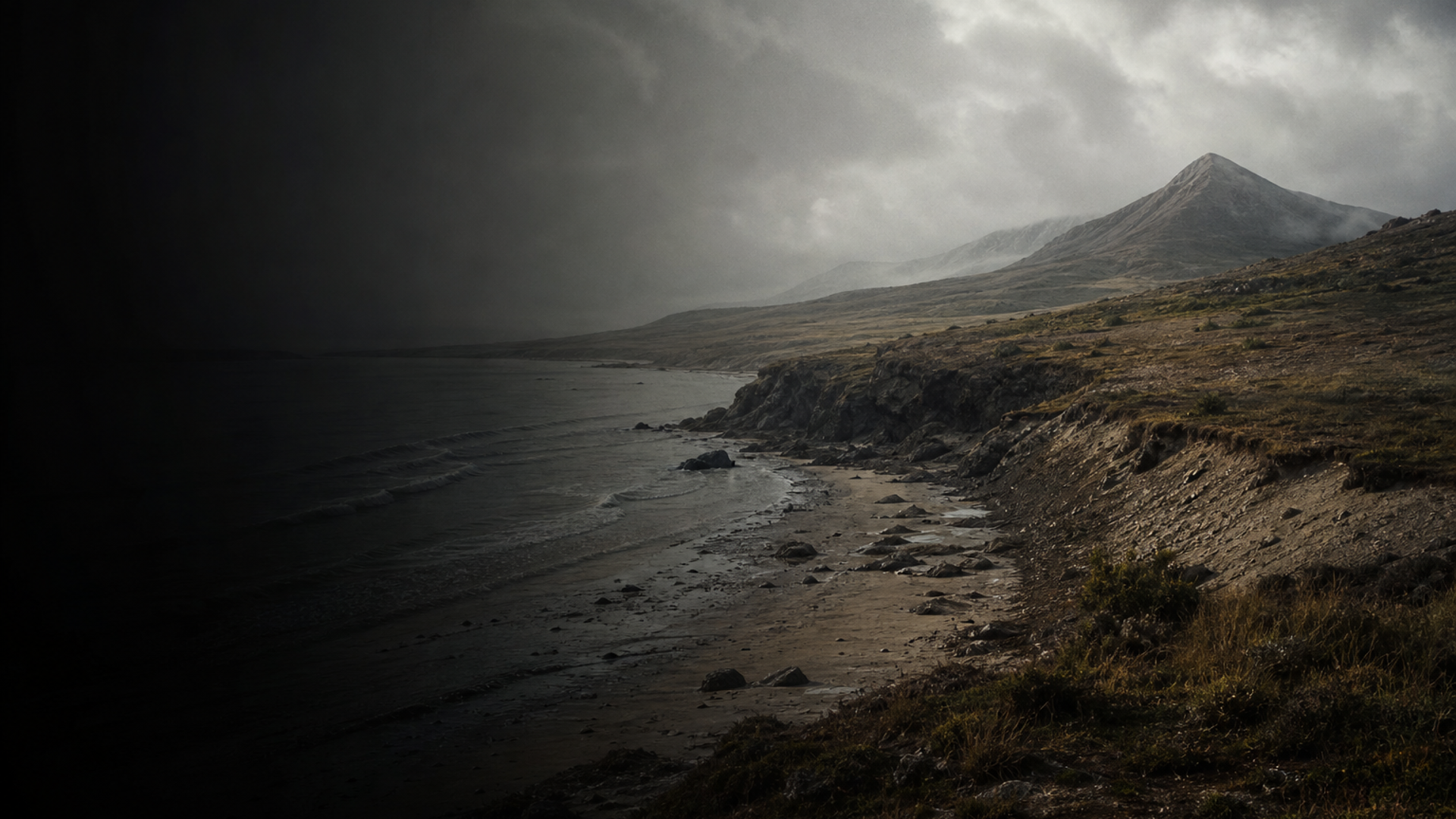
Archaeological data indicates that the Paleo‑Indian populations represented in this dataset trace their deep roots to Late Pleistocene and Early Holocene movements into the Americas. The geographic sweep of samples—from Nevada’s Spirit Cave and Montana’s Anzick Ranch in the north, to coastal Chilean localities such as Los Rieles and Punta Santa Ana, and inland Brazilian caves like Lapa do Santo and Sumidouro—paints a picture of rapid dispersal and regional adaptation. Limited evidence suggests multiple corridors of entry, with archaeological signals consistent with both interior ice‑free corridor and Pacific coastal routes; genetic affinities to Ancient Beringian and northern North American individuals are detectable but patchy.

Material remains and stratigraphic contexts show settlement in diverse environments—highland lakes and coastal shelves that were then emergent shoreline. Chronology within the dataset (10797–5051 BCE) spans climatic transitions from the final Pleistocene to mid‑Holocene landscapes, implying that these early groups navigated accelerating environmental change. While a majority of Y‑chromosome lineages belong to haplogroup Q, mitochondrial diversity (A2, B2, C, D, D1) documents maternal line continuity as populations dispersed southward. Because sampling is uneven across space and time, these patterns should be read as a developing narrative rather than definitive models of initial peopling.

  • Dataset spans 10797–5051 BCE, covering Late Pleistocene to mid‑Holocene
  • Key sites: Anzick Ranch (MT), Spirit Cave (NV), Lapa do Santo (Brazil), Los Rieles and Punta Santa Ana (Chile)
  • Archaeology indicates multiple dispersal routes and rapid regional adaptation
Chapter IV

Daily Life & Society

The archaeological record evokes a world of mobile bands tuned to seasonal abundance. Stone tools, bone implements, and faunal remains from sites such as Anzick Ranch and Los Rieles show skilled flaked stone technology and specialized hunting strategies for now‑extinct megafauna and smaller game. Coastal localities, including Punta Santa Ana, reveal shell middens and evidence for marine resource use, while inland caves like Sumidouro and Lapa do Santo preserve kill sites, hearths, and early ceremonial contexts.

Mortuary behavior is one of the clearest windows into social practice. The Anzick burial (Montana) and the osseous remains found at Lapa do Santo document intentional burial, sometimes with pigments and grave goods, suggesting emerging social rituals and memory. Kennewick and Spirit Cave remains also show complex taphonomy that implies varied funerary treatments across regions.

Daily life was framed by shifting climates: retreating glaciers, changing coastlines, and the spread of new plant communities. These changes likely drove both short‑range mobility and long‑distance connectivity, producing regional cultural mosaics rather than a single homogeneous lifeway. Archaeological data indicates innovation alongside deep continuity in subsistence and social practices.

  • Diverse subsistence: megafauna hunting, fishing, gathering, shellfish use
  • Evidence of ritual and burial at Anzick, Lapa do Santo, Kennewick
Chapter V

Genetic Profile

Ancient DNA from 38 individuals provides a robust, though not exhaustive, genetic portrait of early American populations. Y‑chromosome data are dominated by haplogroup Q (27 of 38 males), consistent with a founding paternal lineage widely observed across the Americas; a single C lineage appears, indicating occasional paternal diversity or older interconnectedness with Siberian lineages. Mitochondrial diversity is broad: D1 (10), C (9), D (7), B2 (4), and A2 (3) are represented, reflecting multiple maternal lineages that dispersed southward and diversified regionally.

Genetic affinities connect these individuals to both northern groups (Ancient Beringian, some Alaskan samples) and to later South American populations, suggesting early splits and subsequent isolation by distance and drift. For example, Anzick and Upward Sun River samples show northern‑shared components, while Lapa do Santo and Sumidouro individuals display mtDNA lineages common in South America. This mix indicates a complex population structure: an initial pulse of diversity followed by regional differentiation.

Caveats: despite 38 samples, geographic sampling remains uneven and temporal clustering exists; therefore conclusions about pan‑continental demographic processes remain provisional. Further sequencing across underrepresented regions will refine models of migration, admixture, and continuity with present‑day Indigenous groups.

  • Y-DNA dominated by Q; single occurrence of C highlights paternal diversity
  • mtDNA shows multiple maternal founders (D1, C, D, B2, A2) and regional differentiation
Chapter VI

Legacy & Modern Connections

Genetic threads woven from Paleo‑Indian individuals persist in the genomes of many Indigenous communities across the Americas, but translating ancient signals into direct cultural continuity requires care. Archaeological continuity in tool types, burial practices, and landscape use intersects with genetic continuity in haplogroups—but population bottlenecks, local extinction, and later migrations have reshaped ancestry over millennia.

For a scientific DNA ancestry platform, these findings illustrate both power and limits: ancient genomes illuminate deep shared ancestry and migration dynamics, yet they do not map neatly onto contemporary identities without dialogue with descendant communities. Ethical collaboration and contextual archaeological information are essential when presenting connections between ancient individuals and living peoples. Overall, the legacy of Paleo‑Indian populations is visible as ecological ingenuity, deep time residence across the Americas, and genetic contributions that form part of a larger story still being written.
  • Deep genetic links to modern Indigenous peoples exist but require ethical interpretation
  • Archaeological and genetic data together show adaptation, mobility, and regional continuity
Chapter VII

样本目录

1 份与 Paleo‑Indian First Peoples 文化相关的古 DNA 样本,为研究该时期的人群提供遗传线索。

1 / 1 samples
纵向 样本 国家 大纪元 日期 文化 性别 Y-DNA mtDNA
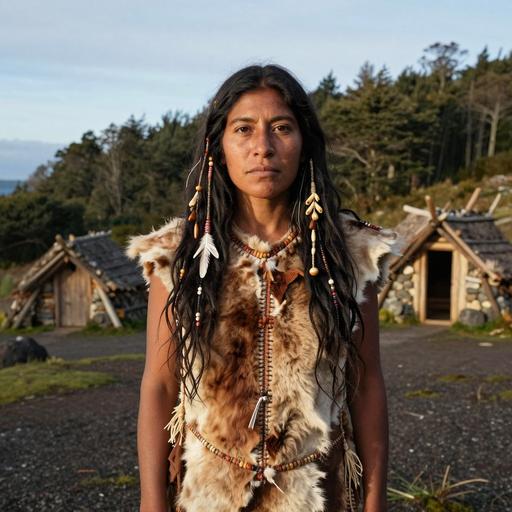
重建的肖像画 Paleo-Indian individual, Chile
Paleo-Indian individual, Chile
Chile Chile_PuntaSantaAna_7300BP 5634 BCE Paleo-Indian F - -
AI 电源

AI 助手

就 Paleo‑Indian First Peoples 文化提问

AI 助手 由DNAGENICS公司制作

解锁此特性
Ask questions about the Paleo‑Indian First Peoples culture. Our AI assistant can explain genetic findings, historical context, archaeological evidence, and modern connections.
AI 样本分析

Paleo‑Indian First Peoples 文化是人类历史中值得了解的一章……

遗传分析揭示了与早期种群的联系,同时显示了独特的适应和文化创新的证据。 古代DNA样本提供了对迁徙模式、社会结构以及古代种群之间的生物关系的深刻见解。

这是人工智能分析的预览。 解锁全AI 助手, 以探索关于:

  • 遗传组成和祖先
  • 移徙模式和起源
  • 日常生活和文化习俗
  • 现代遗传遗产

探索更古老的文化

揭开古代世界文明的故事

使用优惠码 可减免 35% • 11月12日 到期





