Pumapunku: Tiwanaku Echoes

下载的 PDF 是图像副本。如需可选中文本及更好的辅助技术支持,请使用打印功能。

Pumapunku: Tiwanaku Echoes

揭开一个失落的文明

正在加载考古记录……

正在收集古代记录

跳转到主内容
Pumapunku: Tiwanaku Echoes
文明焦点

Pumapunku: Tiwanaku Echoes

A single ancient genome from the monumental core of Tiwanaku reveals tentative maternal ties to the Andean highlands

670 CE - 774 CE
Pumapunku, Lake Titicaca basin, Bolivia
滚动开始
Chapter I

剧情

了解 Pumapunku: Tiwanaku Echoes 文化

Archaeological evidence at Pumapunku (Tiwanaku, Bolivia) meets a single ancient mtDNA B2 sample (670–774 CE). Limited data suggest maternal continuity with Andean populations; broader genetic conclusions remain preliminary pending more samples.

Time Period

670–774 CE (sample range)

Region

Pumapunku, Lake Titicaca basin, Bolivia

Common Y-DNA

Not reported / no Y-chromosome data

Common mtDNA

B2 (1 sample)

Chapter II

时间线

这种文化历史上的关键时刻

500 CE

Tiwanaku urban flowering

Regional centers coalesce around Lake Titicaca; monumental construction and agricultural intensification expand urban reach.

Chapter III

Origins & Emergence

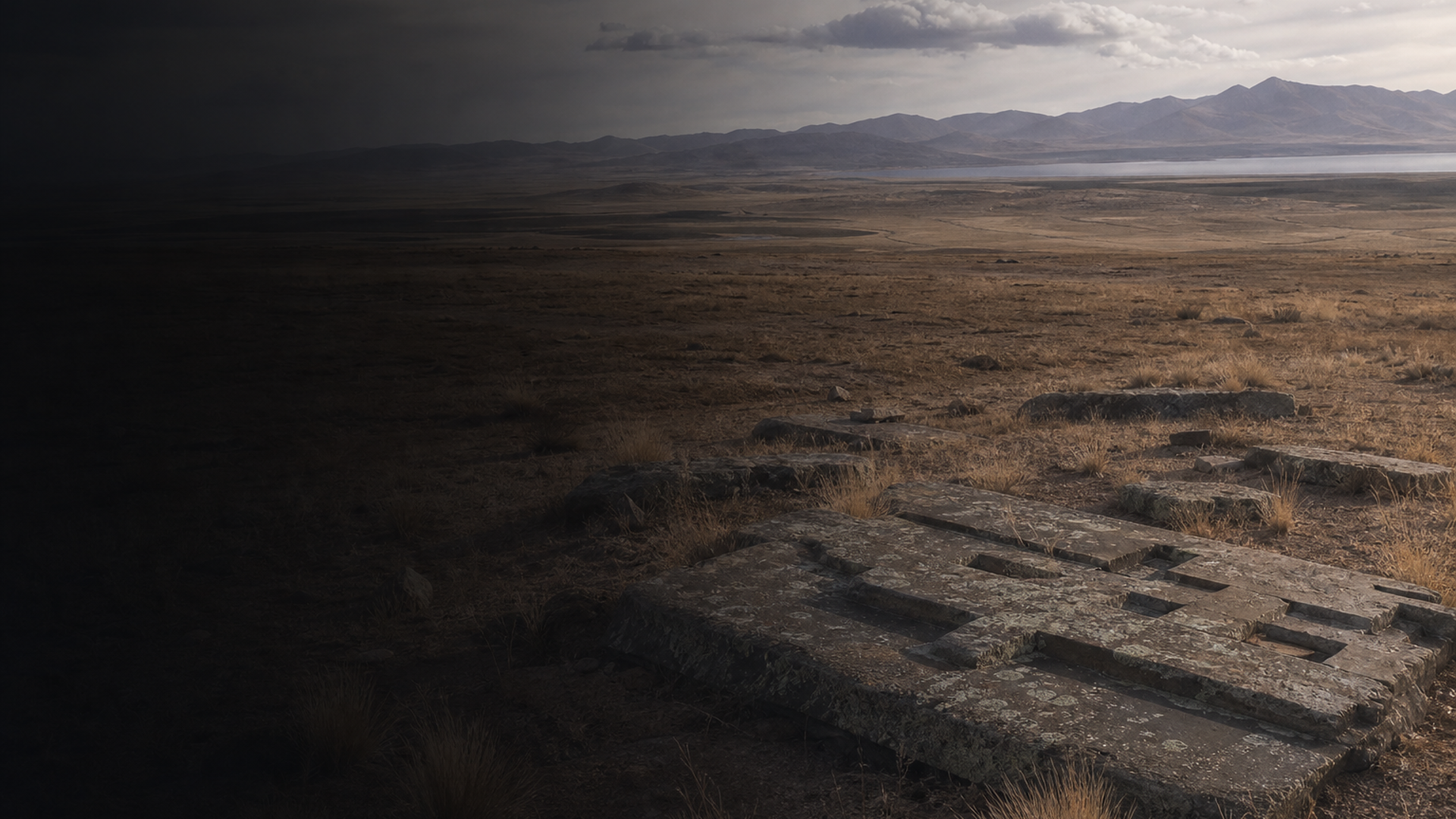
The Pumapunku sector of Tiwanaku sits like a carved memory on the western shore of Lake Titicaca. Archaeological data indicates large-scale stoneworking, precisely cut orthostats, and a monumental plano platform associated with the ceremonial core of Tiwanaku (site of Tiwanaku/Pumapunku, southern Lake Titicaca basin). Radiocarbon and ceramic chronologies place the florescence of Tiwanaku broadly between c. 500–1000 CE; the DNA sample from Pumapunku dates to 670–774 CE, squarely within this regional apex.

Material culture at Pumapunku — finely dressed andesite blocks, standardized masonry fittings, and evidence for organized labor — points to a polity capable of complex planning and interregional exchange. Archaeological traces of agricultural intensification (raised fields or suka kollus), camelid herding, and specialized craft production indicate an emergent urban society drawing on earlier Formative and Middle Horizon traditions in the high Andes.

Limited evidence suggests that Tiwanaku arose through local social transformation rather than sudden foreign colonization, but the balance of local continuity and long-distance connections remains debated. The single genetic sample contributes one maternal data point to this story; while evocative, it cannot alone resolve questions of population movement or social composition. Further genomic sampling across the site and region is required to test models of emergence, migration, and demographic change.

  • Pumapunku: monumental core of Tiwanaku on Lake Titicaca's western shore
  • Sample dates to 670–774 CE, within Tiwanaku's classic phase
  • Archaeology indicates local urbanization with regional exchange networks
Chapter IV

Daily Life & Society

Life in the shadow of Tiwanaku's platforms would have been a tapestry of agriculture, craft, ritual, and trade. Archaeological excavations across the Tiwanaku complex (Kalasasaya, Akapana, Pumapunku) reveal household debris, textile fragments, metal tools, and zooarchaeological remains that speak to diets based on tubers (potato varieties), quinoa, and camelids. Raised-field agriculture around Lake Titicaca provided resilient food production in a high-altitude environment and supported dense settlement.

Pumapunku's carved stone architecture and standardized construction blocks imply organized labor and skilled artisanship. Workshops and discarded production debris recovered in and near Tiwanaku suggest craft specialization in weaving, metallurgy (copper alloys), and stone carving. Public spaces and monumental platforms likely hosted feasting and ritual activities that reinforced social hierarchies and regional authority.

Burial contexts in the broader Tiwanaku region show variation — from modest domestic interments to more elaborate offerings — indicating social differentiation, but direct mortuary links to Pumapunku's monumental core remain incompletely documented. Archaeological interpretations emphasize a society where ritual and economy were deeply intertwined; however, many details of household composition, mobility, and identity at Pumapunku await finer-grained excavation and bioarchaeological study.

  • Economy centered on raised-field agriculture, camelid herding, and quinoa/potato cultivation
  • Craft specialization: weaving, metallurgy, and precision stonework
Chapter V

Genetic Profile

Genetic data from Pumapunku are extremely limited: the dataset here is a single sampled individual (n=1) dated to 670–774 CE whose mitochondrial haplogroup is B2. B2 is a well-documented maternal lineage among Indigenous populations in the high Andes and across wider regions of the Americas, and its presence at Pumapunku is consistent with maternal continuity in Andean highland communities.

Crucially, a single mtDNA sequence cannot describe population structure. Mitochondrial DNA traces only maternal ancestry and does not capture autosomal admixture, paternal lineages, or the demographic complexity implied by archaeological evidence. No Y-chromosome haplogroup was reported for this individual, and autosomal genotype data (which reveal fine-scale ancestry proportions and kin relationships) are not available here.

Comparative ancient DNA studies in the Lake Titicaca region often report predominant Andean highland ancestry, with occasional signatures of lowland or wider South American input in some individuals and time periods; these patterns suggest variable gene flow over time. Given the sample count is below ten, any genetic inference must be treated as preliminary. Expanded sampling from Pumapunku, associated households, and contemporaneous rural sites — including autosomal, uniparental, and isotopic analyses — will be necessary to understand kinship, migration, and the genetic landscape of Tiwanaku communities.

  • mtDNA B2 in the single Pumapunku sample, consistent with Andean maternal lineages
  • No Y-DNA reported; autosomal data absent—conclusions are preliminary (n=1)
Chapter VI

Legacy & Modern Connections

Tiwanaku's stone platforms and carved gates continue to shape cultural memory across the southern Altiplano. Pumapunku's monumental masonry remains an emblem of pre-Columbian engineering and ritual landscape. Archaeological preservation and UNESCO recognition of Tiwanaku underscore its living significance for descendant communities, particularly Aymara-speaking populations around Lake Titicaca.

Genetically, the presence of mtDNA B2 at Pumapunku aligns with maternal haplogroups still found among contemporary Andean peoples. This suggests potential threads of biological continuity, but the depth and complexity of that continuity demand broader and deeper sampling. For individuals exploring ancestry through DNA platforms, a match to B2 or to Andean reference panels may reflect long-standing highland connections, yet such assignments are probabilistic and must be contextualized by archaeology, language history, and recent population movements.

In sum, Pumapunku stands as both archaeological spectacle and a fragile genetic window into Tiwanaku society. Its single ancient genome invites curiosity and caution: evocative evidence that prompts targeted sampling, interdisciplinary study, and respectful engagement with descendant communities.

  • Pumapunku remains a potent cultural symbol for Andean peoples and a UNESCO-recognized heritage landscape
  • mtDNA B2 aligns with modern Andean maternal lineages but wider genomic sampling is needed to confirm continuity
AI 电源

AI 助手

就 Pumapunku: Tiwanaku Echoes 文化提问

AI 助手 由DNAGENICS公司制作

解锁此特性
Ask questions about the Pumapunku: Tiwanaku Echoes culture. Our AI assistant can explain genetic findings, historical context, archaeological evidence, and modern connections.
AI 样本分析

Pumapunku: Tiwanaku Echoes 文化是人类历史中值得了解的一章……

遗传分析揭示了与早期种群的联系,同时显示了独特的适应和文化创新的证据。 古代DNA样本提供了对迁徙模式、社会结构以及古代种群之间的生物关系的深刻见解。

这是人工智能分析的预览。 解锁全AI 助手, 以探索关于:

  • 遗传组成和祖先
  • 移徙模式和起源
  • 日常生活和文化习俗
  • 现代遗传遗产

探索更古老的文化

揭开古代世界文明的故事

使用优惠码 可减免 35% • 11月12日 到期




