River of Memory: Afro‑Mexicans (CDMX)

下载的 PDF 是图像副本。如需可选中文本及更好的辅助技术支持,请使用打印功能。

River of Memory: Afro‑Mexicans (CDMX)

揭开一个失落的文明

正在加载考古记录……

正在收集古代记录

跳转到主内容
River of Memory: Afro‑Mexicans (CDMX)
文明焦点

River of Memory: Afro‑Mexicans (CDMX)

Three hospital burials in Mexico City illuminate early African lineages amid colonial upheaval.

1436 CE - 1626 CE
Mexico (Mexico City)
滚动开始
Chapter I

剧情

了解 River of Memory: Afro‑Mexicans (CDMX) 文化

Three individuals (1436–1626 CE) from the San José de los Naturales Royal Hospital mass burial in Mexico City carry Y haplogroup E and mtDNA L. Archaeological context and DNA point to African ancestry in early colonial New Spain; conclusions are preliminary due to small sample size.

Time Period

1436–1626 CE

Region

Mexico (Mexico City)

Common Y-DNA

E (observed in 3 samples)

Common mtDNA

L (observed in 3 samples)

Chapter II

时间线

这种文化历史上的关键时刻

1436 CE

Earliest calibrated burial date (one sample)

One calibrated date falls near 1436 CE; this may reflect dating uncertainty or complex burial use of the site.

1519 CE

Spanish arrival in the Basin of Mexico

Hernán Cortés's expedition reaches the Aztec capital, initiating the colonial transformation of the region.

1521 CE

Fall of Tenochtitlan

The conquest culminates in 1521, after which colonial institutions like hospitals expand in the city.

1626 CE

Latest calibrated burial date

The most recent date in the series, within the first century of sustained colonial urban life.

Chapter III

Origins & Emergence

Archaeological data indicates these three individuals derive from a mass burial associated with the San José de los Naturales Royal Hospital in Mexico City. The calibrated dates (1436–1626 CE) span a turbulent horizon that includes the last pre-contact decades and the first century of Spanish rule. Limited evidence suggests at least some African people were present in the city during the sixteenth century, connected to the broader movements of people across the Atlantic once the transatlantic slave trade began to affect New Spain. The presence of African-associated genetic markers (Y haplogroup E and mtDNA L) in all three samples aligns with origins in sub-Saharan Africa—broadly consistent with historical records identifying enslaved and free Africans in colonial Mexico City.

Because the sample count is very small (n=3), interpretations must remain tentative. One calibrated date that predates 1519 could reflect radiocarbon uncertainty, stratigraphic mixing, or a reused burial area rather than a secure pre-contact African presence. Archaeological context—hospital records, burial position, and associated artifacts—offers clues to social status, health, and institutional care, but those threads are incomplete. Combining osteological data, burial context, and genetic signals provides the best current picture: these are individuals with clear African paternal and maternal lineage markers who died and were interred within a colonial medical/institutional setting in Mexico City.

  • Burials located at San José de los Naturales, Mexico City
  • Calibrated dates span 1436–1626 CE with some chronological uncertainty
  • Small sample size (n=3) means origin hypotheses are preliminary
Chapter IV

Daily Life & Society

The San José de los Naturales Royal Hospital served as a medical and charitable institution in colonial Mexico City, often caring for Indigenous, mixed, and marginalized people. Archaeological data indicates hospital cemeteries were used for patients who died in care, a setting that can reflect poverty, mobility, and social exclusion. Osteological indicators—where preserved—can show markers of stress, healed trauma, and disease burden, suggesting hard lives shaped by labor, contagion, and limited resources.

Material traces from nearby excavations (ceramic sherds, personal items, clothing fastenings) occasionally provide glimpses of daily objects, but for these three individuals direct artifact associations are limited. Historical records for the broader Afro‑Mexican community of colonial Mexico City describe a range of statuses from enslaved laborers to freed persons and skilled artisans; archaeological context at institutional sites like hospitals can capture individuals from across that social spectrum. Limited sample numbers and the institutional burial context mean we cannot reconstruct detailed life histories for each person, but together the osteological and genetic signals evoke the presence of people of African descent living, laboring, becoming ill, and dying within the urban fabric of early colonial Mexico City.

  • Hospital cemetery context suggests care-related interment, often for marginalized people
  • Osteological and material evidence for stress and limited resources is possible but fragmentary
Chapter V

Genetic Profile

All three analyzed individuals carry Y‑chromosome haplogroup E (observed in three samples) and mitochondrial haplogroup L (observed in three samples). These haplogroup designations are strongly associated with populations in sub‑Saharan Africa: haplogroup E is widespread among West and Central African paternal lineages, while haplogroup L encompasses multiple deep maternal lineages across Africa. The concordance of African paternal and maternal markers in these burials supports an African origin for ancestry lines of these individuals.

Important caveats govern interpretation. The sample count is very small (n=3), so conclusions about the broader population of early colonial Mexico City are preliminary. Haplogroup assignments do not alone specify precise geographic origins within Africa; they indicate broad regional affinity. Autosomal data, higher‑resolution Y and mtDNA subclades, and larger sample sets would be needed to model admixture, kinship, and population structure confidently. Archaeogenetic and documentary records together—when available—can help resolve questions of life course (enslaved vs. free status), migration pathways, and integration into colonial societies. For now, the genetic signal from these three hospital burials provides clear, if limited, evidence for African paternal and maternal ancestry among individuals interred in early colonial Mexico City.

  • Y haplogroup E and mtDNA L point to sub‑Saharan African paternal and maternal ancestry
  • Small sample size (n=3) limits geographic precision and broader population inference
Chapter VI

Legacy & Modern Connections

These burials form a cinematic but careful bridge between past and present: they connect bones and DNA to the living Afro‑Mexican communities and the layered histories of Mexico City. Archaeological traces combined with genetic markers document African ancestry within the urban landscape of early colonial New Spain and contribute to a larger, ongoing story of cultural survival, adaptation, and memory.
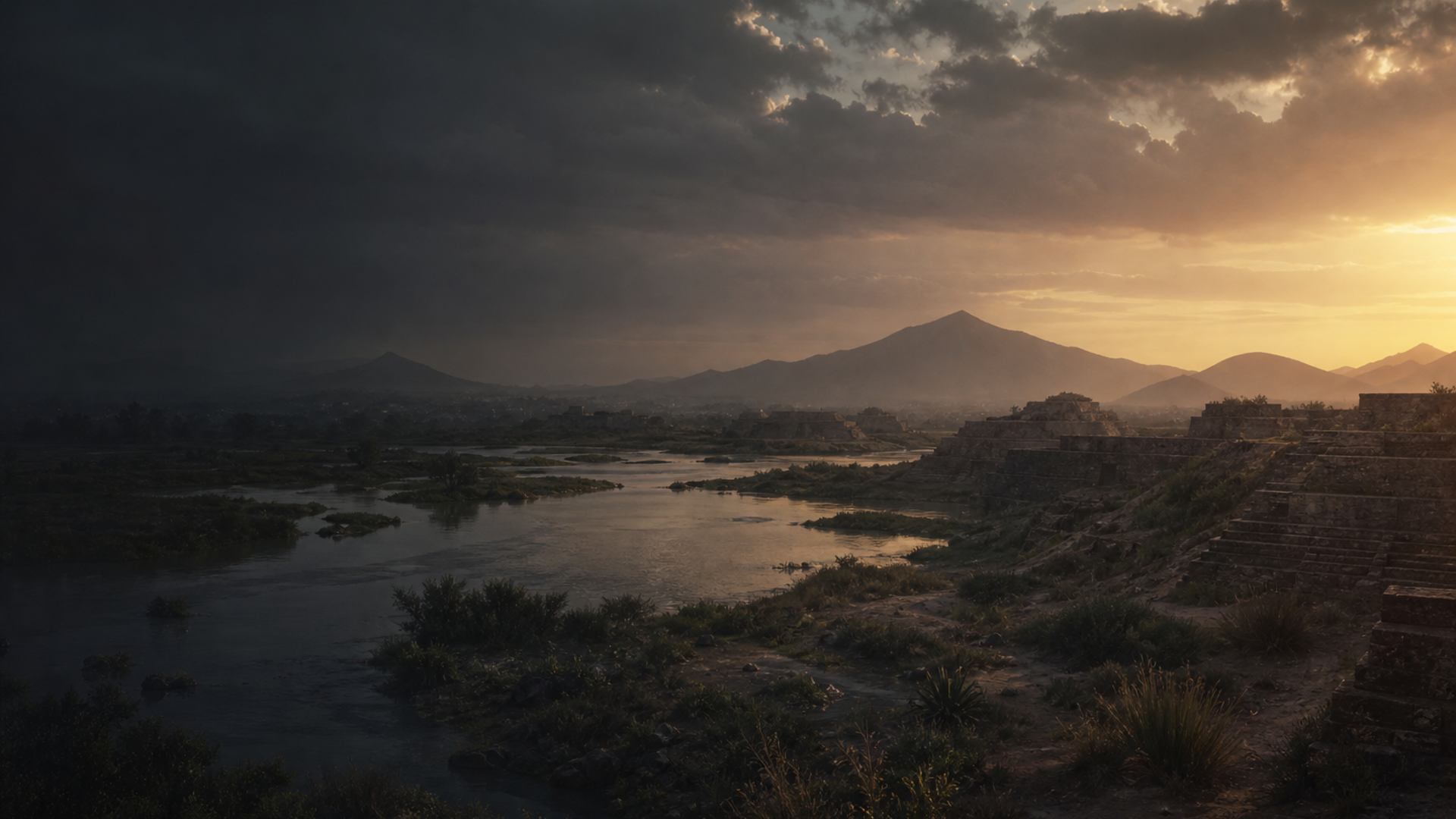
Genetic lineages like E and L persist in descendant populations across Mexico and the Americas, though their frequencies and geographic patterns have shifted through centuries of admixture and migration. Modern community histories, oral traditions, and continued genetic research together can illuminate lines of connection, but researchers must emphasize uncertainty where data are sparse. These three hospital burials are a poignant, preliminary window: evocative evidence that African lives and lineages were part of Mexico City’s earliest colonial fabric, and that their legacies continue to be woven into the city’s genetic and cultural tapestry.

  • Connects to Afro‑Mexican community histories and modern genetic signatures
  • Highlights need for more samples and interdisciplinary research to clarify continuity
AI 电源

AI 助手

就 River of Memory: Afro‑Mexicans (CDMX) 文化提问

AI 助手 由DNAGENICS公司制作

解锁此特性
Ask questions about the River of Memory: Afro‑Mexicans (CDMX) culture. Our AI assistant can explain genetic findings, historical context, archaeological evidence, and modern connections.
AI 样本分析

River of Memory: Afro‑Mexicans (CDMX) 文化是人类历史中值得了解的一章……

遗传分析揭示了与早期种群的联系,同时显示了独特的适应和文化创新的证据。 古代DNA样本提供了对迁徙模式、社会结构以及古代种群之间的生物关系的深刻见解。

这是人工智能分析的预览。 解锁全AI 助手, 以探索关于:

  • 遗传组成和祖先
  • 移徙模式和起源
  • 日常生活和文化习俗
  • 现代遗传遗产

探索更古老的文化

揭开古代世界文明的故事

使用优惠码 可减免 35% • 11月12日 到期




