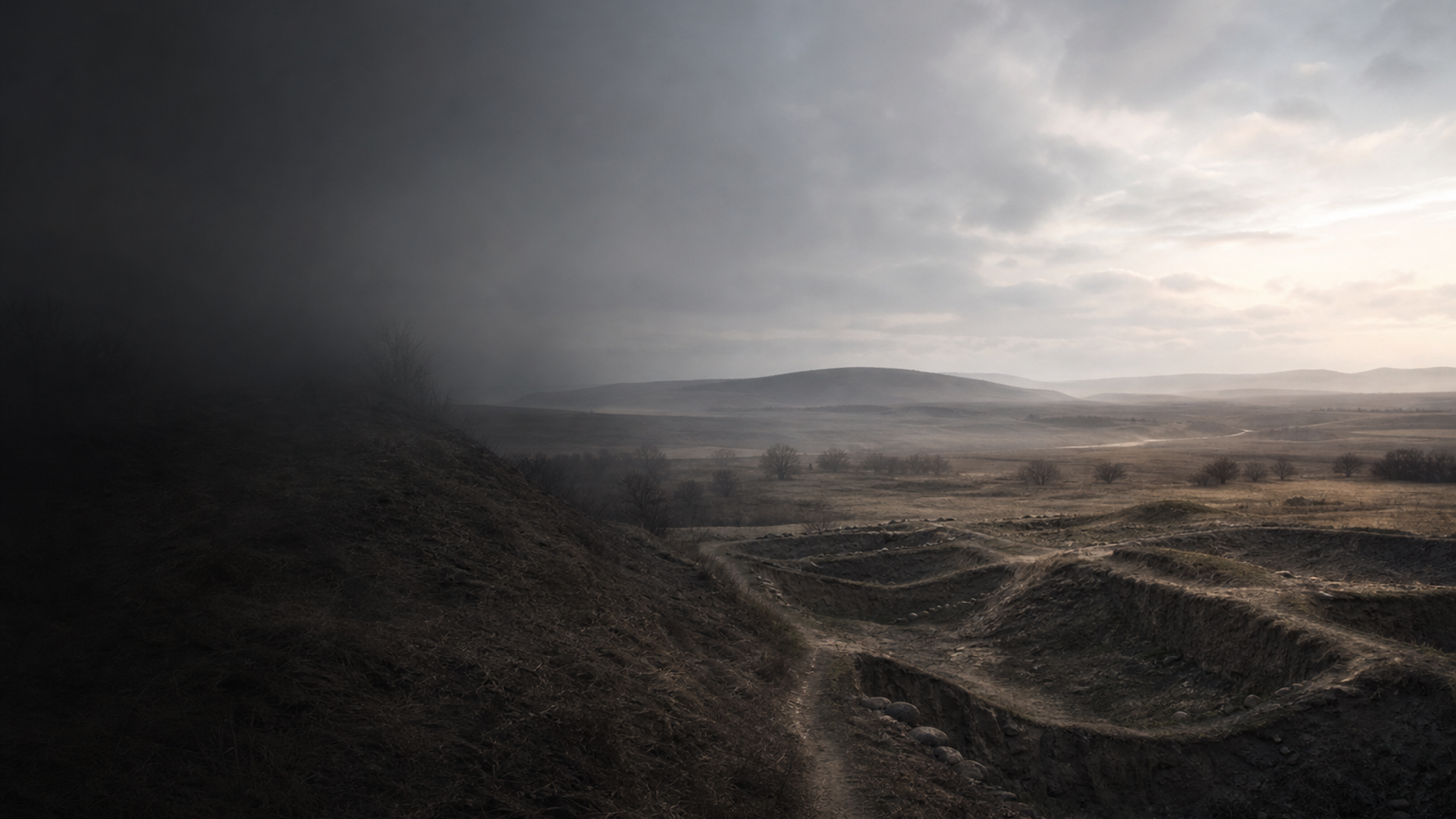
Archaeological traces near Rumin suggest a rural medieval economy of mixed agriculture, animal husbandry and local craft—fields, meadow margins and small homesteads linked to the wider networks of central Poland. Grave goods reported in the region commonly include utilitarian items, simple dress accessories and occasional personal ornaments; although specific grave inventories from these four Rumin burials are limited, the funerary contexts imply households of modest means rather than elite centers. The period 1000–1200 CE in Greater Poland is also a time of social consolidation: rising political centers, Christianization, and expanding trade corridors that funneled goods and people across the North European Plain. Such processes often leave uneven archaeological footprints in rural cemeteries, where local traditions persist even as new practices arrive. Bioarchaeological assessments (age-at-death, stature, markers of activity) would complement DNA results to reveal diet, workload and mobility patterns, but current data are primarily genetic and chronometric. Where the archaeology speaks quietly—pitted hearths, linear plowing marks, small pit features—the DNA can shout about ancestry; integrating both produces a fuller sense of daily life in a world of small households and long-distance connections.