Saxon Groningen: Voices of the North Sea

下载的 PDF 是图像副本。如需可选中文本及更好的辅助技术支持,请使用打印功能。

Saxon Groningen: Voices of the North Sea

揭开一个失落的文明

正在加载考古记录……

正在收集古代记录

跳转到主内容
Saxon Groningen: Voices of the North Sea
文明焦点

Saxon Groningen: Voices of the North Sea

Medieval communities of Groningen (700–1100 CE) seen through archaeology and DNA

700 CE - 1100 CE
Groningen, Netherlands
滚动开始
Chapter I

剧情

了解 Saxon Groningen: Voices of the North Sea 文化

Archaeological and aDNA evidence from 19 medieval Groningen individuals (700–1100 CE) reveal a Saxon-era community shaped by North Sea networks. Y and mtDNA patterns hint at northern European paternal lineages and diverse maternal ancestries, but interpretations remain cautious.

Time Period

700–1100 CE

Region

Groningen, Netherlands

Common Y-DNA

R (9), I (3)

Common mtDNA

J (8), T (3), U (2), H (2), U7b (1)

Chapter II

时间线

这种文化历史上的关键时刻

700 CE

Earliest sampled burials

Beginning of the dated sequence for sampled individuals around Groningen, marking local Saxon-medieval contexts.

800 CE

North Sea exchange intensifies

Archaeological indicators show increased trade and cultural connections across the North Sea affecting Groningen communities.

1100 CE

End of sampling range

The latest individuals in this dataset date to c. 1100 CE, capping the current temporal window for these data.

Chapter III

Origins & Emergence

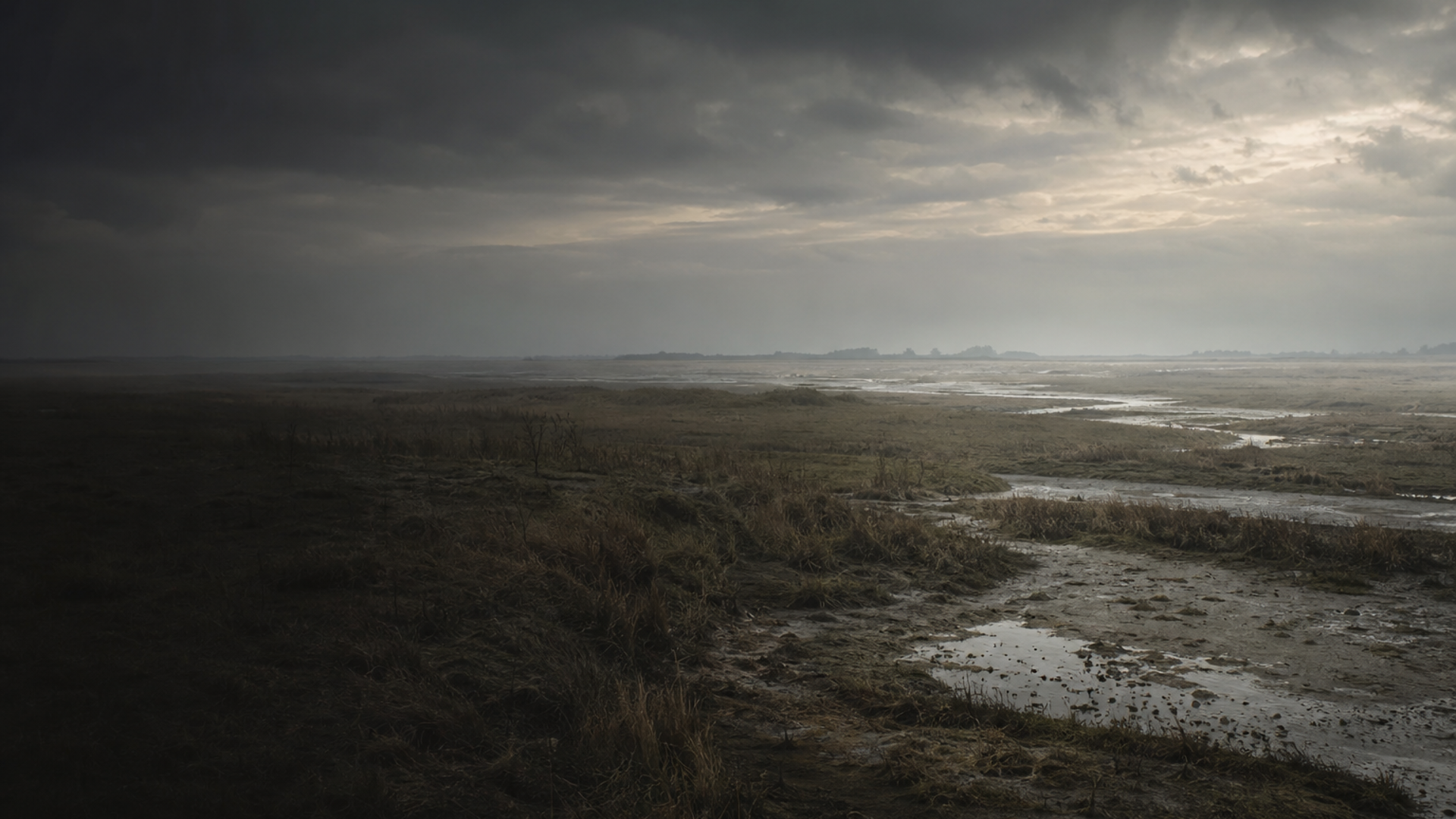
Along the flat, wind-swept marshes of Groningen a local Saxon world emerges between the 8th and 11th centuries CE. Archaeological data from cemeteries and settlement traces around Groningen indicate farming villages, interlinked by tidal creeks and the wider North Sea trade routes. Material culture—pottery styles, metalwork fragments and burial orientations—echo broader North Sea and continental Germanic patterns without pointing to a single point of origin. Genetic data from 19 individuals dated 700–1100 CE provide an additional layer: they capture biological variation within a community shaped by both local continuity and regional mobility. Limited evidence suggests sustained contact with neighbouring Frisian and Saxon groups, and archaeological indicators of exchange—imported objects, shared craft traditions—support a picture of networks rather than isolation. While cinematic images of dramatic migrations are tempting, the combined archaeological and genetic record for Groningen favors complex, multi-scalar processes of interaction: small-scale movement of people, persistent local lineages, and the long shadow of earlier Neolithic and Bronze Age gene flow that continued to shape medieval populations. Given the moderate sample size and limited genome-wide detail for some individuals, conclusions about specific migration episodes must remain cautious and open to revision as more data appear.

  • Groningen cemeteries and settlements date to 700–1100 CE
  • Archaeology shows North Sea trade and regional Saxon cultural ties
  • aDNA reveals local continuity with regional inputs
Chapter IV

Daily Life & Society

In the hush between tides, the lives of medieval Groningen inhabitants were practical and porous. Archaeological contexts—house foundations, hearths, animal bone assemblages and modest grave goods—paint a scene of mixed farming, dairying, and craft specialization. Seasonal rhythms governed planting and fishing, while small-scale markets and long-distance exchanges along rivers and the North Sea brought exotic raw materials and ideas. Burial practices in the region show variation: simple inhumations with occasional personal items suggest social differences without extreme inequality. The material record points to a community that was both anchored—continuing local traditions of farming and craft—and open to outsiders, with artifacts reflecting connections to Frisian, Saxon, and broader North Sea material worlds. Everyday objects, patched clothing, and repaired tools testify to a pragmatic resilience; trade and mobility were visible in imported metalwork and foreign-style decoration. Archaeology indicates that social identity in Groningen combined local kin networks, craft ties, and maritime horizons. Linking these patterns to genetic data suggests that mobility could be sex-biased or episodic: men and women may have had different movement patterns tied to marriage, apprenticeships, or trade partnerships, but fuller genome-wide datasets are needed to clarify these processes.

  • Mixed farming, dairying, and craft activity dominate local economy
  • Material culture shows regional trade and pragmatic local traditions
Chapter V

Genetic Profile

The genetic snapshot from 19 Groningen individuals (700–1100 CE) offers a measurable but cautious view of this Saxon-medieval community. Y-chromosome haplogroups are dominated by R (9/19; ~47%) and include I (3/19; ~16%). These broad paternal categories are common across northern and central Europe and are compatible with patterns observed in other early medieval Germanic contexts, but without higher-resolution subclade data we cannot pinpoint precise geographic origins. Maternal lineages are notable for a high frequency of haplogroup J (8/19; ~42%), alongside T (3), U (2), H (2), and a single U7b. Haplogroup J is often associated with Neolithic farmer ancestry in Europe and its prominence here suggests substantial maternal continuity from earlier agrarian populations or long-distance connections that introduced these lineages into the North Sea genetic landscape. The lone U7b sample hints at low-frequency maternal inputs that could reflect wider Mediterranean or eastern routes, though the single count makes this preliminary. Comparing sex-specific markers suggests possible differential patterns of mobility—common in medieval contexts—where paternal and maternal ancestries reflect distinct histories of migration, marriage, and local persistence. Genome-wide analyses (not summarized here) would be required to estimate admixture proportions, date gene flow events, and test hypotheses about kinship and population structure. With 19 samples, the dataset is valuable but moderate in size; conclusions should be framed as provisional pending expanded sampling and higher-resolution sequencing.

  • Y-DNA: R most frequent, with a notable presence of I
  • mtDNA: High J frequency; single U7b suggests rare long-distance input
Chapter VI

Legacy & Modern Connections

The people buried and sampled around Groningen left traces that whisper into the present. Archaeologically, the region’s craft traditions and coastal trade continued to shape medieval urbanization in the Low Countries. Genetically, the Y and mtDNA signals from these 700–1100 CE individuals likely contributed in small part to the modern genetic landscape of northern Netherlands, alongside later medieval and early modern movements. For users of ancestry platforms, these data provide a tangible medieval anchor: a glimpse of ancestors who lived between marsh and sea, engaged in farming, craft, and trade. However, continuity is not uniform—centuries of mobility, population turnover, and admixture mean that modern affinities are the result of many layers. The Groningen medieval dataset is a valuable chapter in a long story, one that grows richer as more sites and samples are brought into dialogue between archaeology and genomics.

  • Contributes to understanding medieval ancestry in northern Netherlands
  • Suggests continuity mixed with episodic mobility and long-term admixture
AI 电源

AI 助手

就 Saxon Groningen: Voices of the North Sea 文化提问

AI 助手 由DNAGENICS公司制作

解锁此特性
Ask questions about the Saxon Groningen: Voices of the North Sea culture. Our AI assistant can explain genetic findings, historical context, archaeological evidence, and modern connections.
AI 样本分析

Saxon Groningen: Voices of the North Sea 文化是人类历史中值得了解的一章……

遗传分析揭示了与早期种群的联系,同时显示了独特的适应和文化创新的证据。 古代DNA样本提供了对迁徙模式、社会结构以及古代种群之间的生物关系的深刻见解。

这是人工智能分析的预览。 解锁全AI 助手, 以探索关于:

  • 遗传组成和祖先
  • 移徙模式和起源
  • 日常生活和文化习俗
  • 现代遗传遗产

探索更古老的文化

揭开古代世界文明的故事

使用优惠码 可减免 35% • 11月12日 到期




