Shekshovo-9: Medieval Voices from Ivanovo

下载的 PDF 是图像副本。如需可选中文本及更好的辅助技术支持,请使用打印功能。

Shekshovo-9: Medieval Voices from Ivanovo

揭开一个失落的文明

正在加载考古记录……

正在收集古代记录

跳转到主内容
Shekshovo-9: Medieval Voices from Ivanovo
文明焦点

Shekshovo-9: Medieval Voices from Ivanovo

A small medieval assemblage where archaeology and ancient DNA begin to speak.

986 CE - 1400 CE
Shekshovo-9, Ivanovo Oblast, Russia
滚动开始
Chapter I

剧情

了解 Shekshovo-9: Medieval Voices from Ivanovo 文化

Shekshovo-9 (Ivanovo Oblast, Russia) preserves five medieval samples (986–1400 CE). Archaeological context and limited genetic data (Y: R, I) hint at local Eastern European connections; conclusions remain preliminary given the small sample size.

Time Period

986–1400 CE (High Medieval)

Region

Shekshovo-9, Ivanovo Oblast, Russia

Common Y-DNA

R (2), I (1) — small sample

Common mtDNA

Undetermined / varied — limited reporting

Chapter II

时间线

这种文化历史上的关键时刻

986 CE

Earliest dated individual from Shekshovo-9

The oldest directly dated sample from the Shekshovo-9 assemblage falls to 986 CE, marking the start of the site's High Medieval sequence.

Chapter III

Origins & Emergence

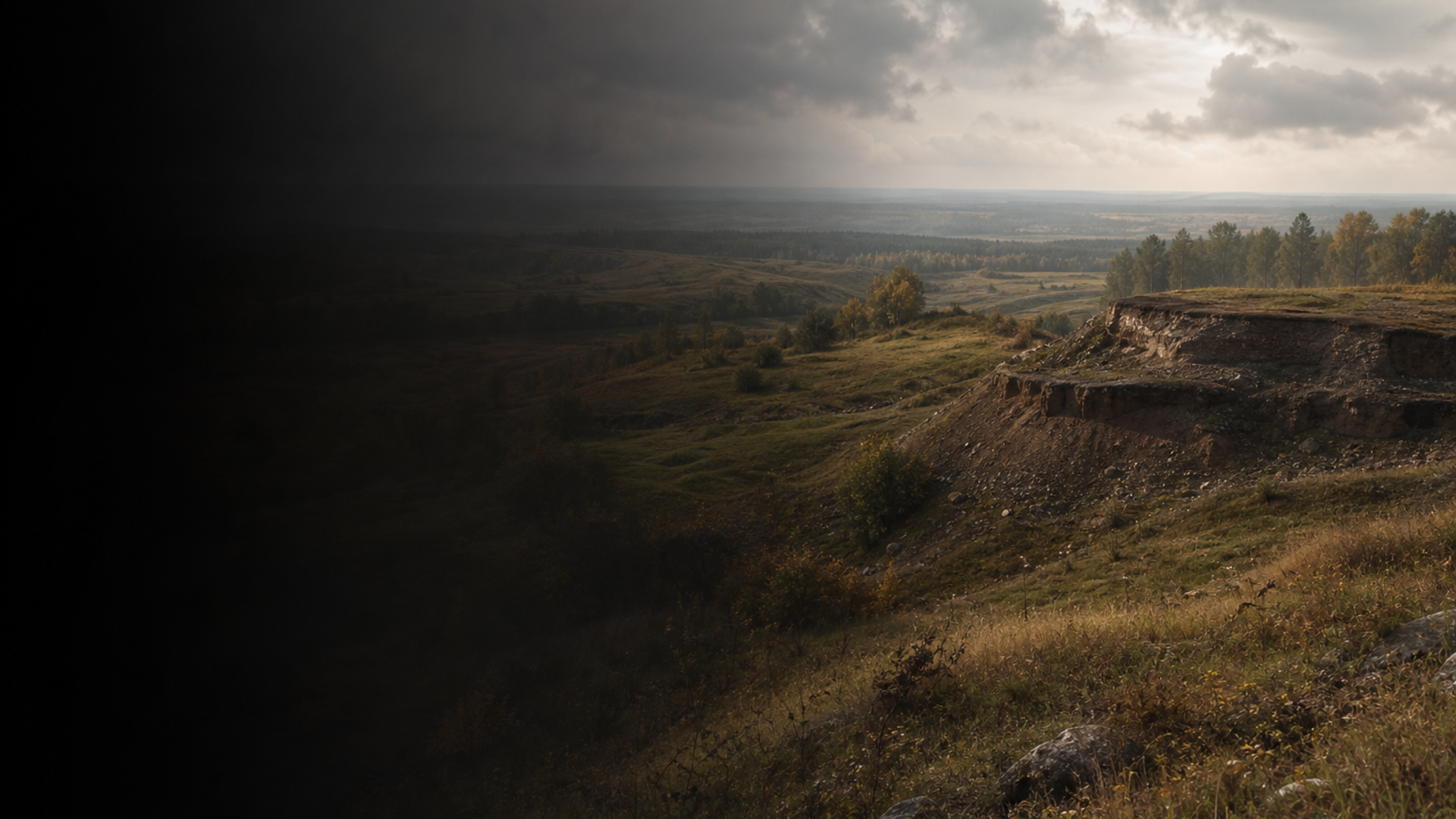
Shekshovo-9 sits amid the gentle river valleys of Ivanovo Oblast, in the Gavrilovo-Posadsky District near Sheksnovo Village. Excavations and survey have identified this place as part of the broader Medieval Shekshovo cultural horizon dated here between 986 and 1400 CE. The site captures a horizon when local settlement networks in the upper Volga basin rearranged in response to shifting political and economic ties across Rus' lands.

Archaeological data indicates inhumations and settlement traces at Shekshovo-9; however, the corpus is modest. Material culture shows continuity with regional medieval traditions rather than dramatic migration signatures. Limited evidence suggests interaction with regional trade routes and neighboring communities, but the scale and intensity of those connections remain uncertain.

In cinematic terms: these are places of layered silence — fields where clay, bone and metal keep the faint rhythms of village life. Scientifically, they provide snapshots. With only five directly sampled individuals, claims about population origins or large‑scale movements must be phrased as tentative, awaiting broader sampling and clearer stratigraphic ties.

  • Site: Shekshovo-9 (Gavrilovo-Posadsky District, Ivanovo Oblast)
  • Date range based on samples: 986–1400 CE (High Medieval)
  • Evidence indicates local medieval settlement patterns; broader connections remain tentative
Chapter IV

Daily Life & Society

The everyday world implied at Shekshovo-9 is a tapestry of agrarian rhythms, household craft and regional exchange. Archaeological indicators for the Medieval Shekshovo Culture point toward mixed farming settlements, seasonal cycles of planting and harvest, and small-scale craft production that anchored village life. Burials preserve human traces of kinship and ritual, while settlement features suggest domestic architecture adapted to the northern forest-steppe edge.

Material signals — compact middens, hearths, and domestic debris — often speak more loudly than monumental architecture in rural medieval contexts. Social organization likely centered on extended family groups and local leadership embedded within a patchwork of neighboring villages. Trade and travelers would have introduced exotic goods and ideas in small quantities; archaeological data indicates contacts but not mass migration.

All reconstructions must be cautious: the archaeological record at Shekshovo-9 is incomplete and the sampled burials are few. What we can say confidently is that the site belongs to a living landscape of medieval Rus', where local lifeways persisted alongside long-distance connections.

  • Economy: mixed farming and household crafts inferred from settlement traces
  • Social structure: small village and kin-oriented communities; ceremonial burial practices present
Chapter V

Genetic Profile

Ancient DNA results from five individuals at Shekshovo-9 provide early genetic glimpses into this medieval community. Y-chromosome results include two individuals assigned to haplogroup R and one to haplogroup I; mitochondrial haplogroups are not consistently reported across the dataset. These Y-lineages are common in Eastern and Northern Europe today and in many medieval-period samples across the region, but without fine-grained subclade resolution we must avoid over-interpretation.

With only five samples, statistical power is minimal. Limited evidence suggests the male lineages at Shekshovo-9 fit within the broad genetic landscape of medieval Eastern Europe, consistent with archaeological indications of local continuity. However, the small sample count (<10) means patterns may reflect family-level kinship or chance survival rather than population-wide signatures.

Genetic and archaeological datasets together hint at continuity between local medieval populations and later regional gene pools, but confirmatory data are required. Future sampling — more burials, better mtDNA resolution, and autosomal analyses — will be necessary to test hypotheses about ancestry, mobility, and social structure at Shekshovo-9.

  • Y-DNA: R (2), I (1) — consistent with broader medieval Eastern European lineages
  • Sample size is small (5); conclusions about population history are preliminary
Chapter VI

Legacy & Modern Connections

Shekshovo-9 offers a fragile bridge between the medieval past and contemporary genetics. The modest genetic signal recorded so far suggests affinities typical of regional medieval populations, but the story is far from complete. For inhabitants of Ivanovo Oblast today, these remains may represent elements of deep local ancestry interwoven with centuries of regional continuity and interaction.

Archaeogenetics here serves as an invitation: to expand sampling, to refine mitochondrial and autosomal data, and to place Shekshovo-9 within a denser lattice of medieval sites. Until then, the site remains a poignant reminder that each sample is a single voice in a larger chorus — evocative, informative, but not yet definitive.

  • Preliminary genetic affinities align with regional medieval populations
  • Further sampling and higher-resolution DNA analyses needed to clarify modern connections
AI 电源

AI 助手

就 Shekshovo-9: Medieval Voices from Ivanovo 文化提问

AI 助手 由DNAGENICS公司制作

解锁此特性
Ask questions about the Shekshovo-9: Medieval Voices from Ivanovo culture. Our AI assistant can explain genetic findings, historical context, archaeological evidence, and modern connections.
AI 样本分析

Shekshovo-9: Medieval Voices from Ivanovo 文化是人类历史中值得了解的一章……

遗传分析揭示了与早期种群的联系,同时显示了独特的适应和文化创新的证据。 古代DNA样本提供了对迁徙模式、社会结构以及古代种群之间的生物关系的深刻见解。

这是人工智能分析的预览。 解锁全AI 助手, 以探索关于:

  • 遗传组成和祖先
  • 移徙模式和起源
  • 日常生活和文化习俗
  • 现代遗传遗产

探索更古老的文化

揭开古代世界文明的故事

使用优惠码 可减免 35% • 11月12日 到期