Songshugou: Edge of the Early Iron Age

下载的 PDF 是图像副本。如需可选中文本及更好的辅助技术支持,请使用打印功能。

跳转到主内容
文明焦点

Songshugou: Edge of the Early Iron Age

A portrait of mixed maternal ancestries from Songshugou, Xinjiang (772–476 BCE)

772 CE - 476 BCE
Xinjiang — Aletai Region, Jimunai County, Songshugou, China

剧情

Human remains from Songshugou (Jimunai, Aletai, Xinjiang) dated 772–476 BCE reveal diverse maternal lineages—East and West Eurasian mtDNA—hinting at frontier mobility. Small sample (n=6) makes conclusions provisional; archaeological context ties the site to Early Iron Age Xinjiang.

Time Period

772–476 BCE (Early Iron Age)

Region

Xinjiang — Aletai Region, Jimunai County, Songshugou, China

Common Y-DNA

No consistent Y-DNA reported (data limited)

Common mtDNA

D (2), U7a (1), U (1), A26 (1), F (1)

时间线

772 BCE

Earliest dated burial at Songshugou

Directly dated human remains at Songshugou mark the start of the site's current Early Iron Age sequence (772–476 BCE).

Origins & Emergence

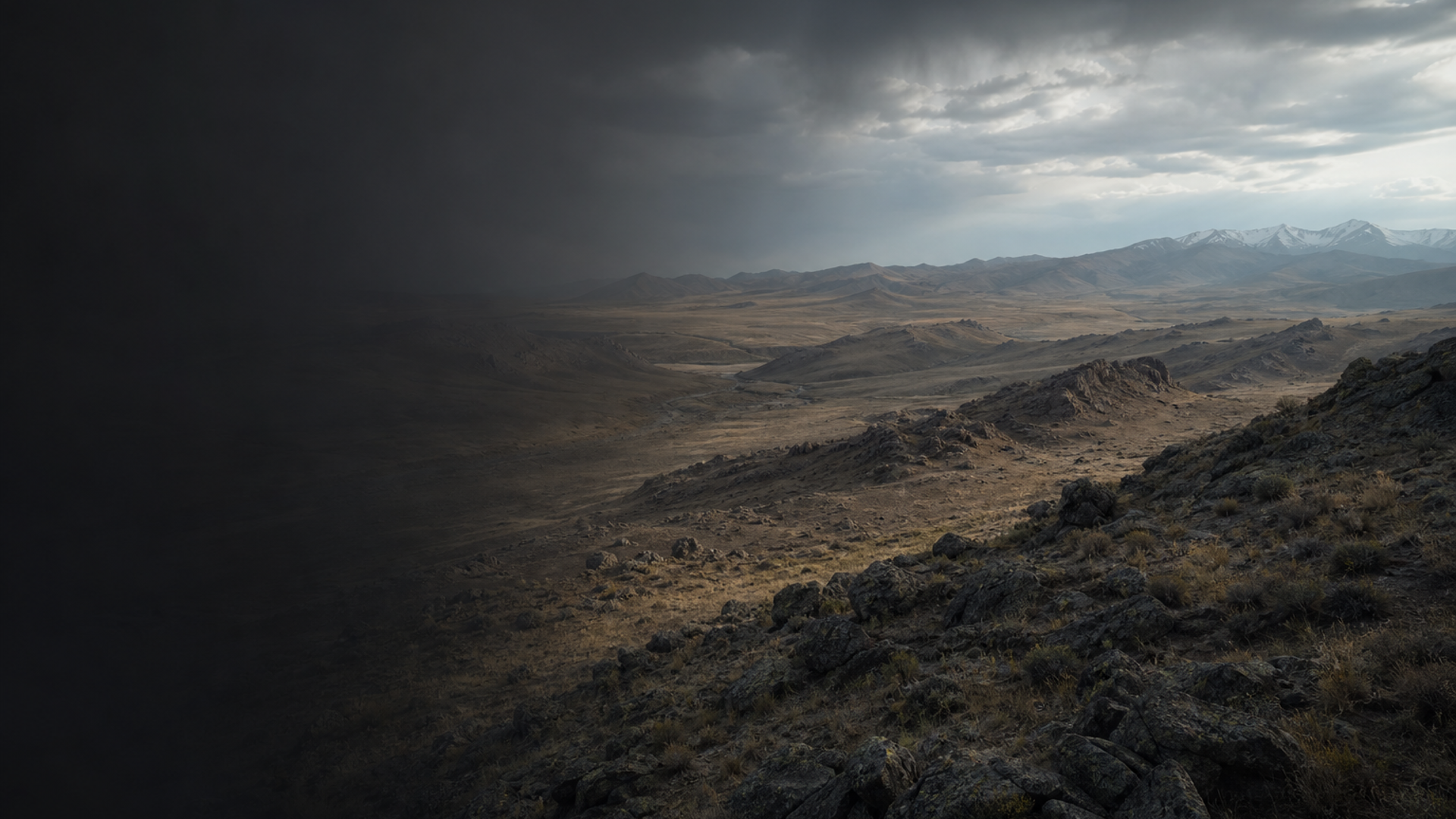
Songshugou lies on the northern fringes of the Xinjiang highlands in Jimunai County, Aletai — a landscape of passes and river corridors that has channeled human movement for millennia. Archaeological data indicates burials at Songshugou date to the Early Iron Age (772–476 BCE), a period when communities in the eastern Eurasian steppes and the interior of China were intensifying long-distance contacts. The site sits at a geographic hinge between Siberian, Central Asian and East Asian ecological zones; this crossroads setting makes Songshugou a natural place to record human encounters between different cultural spheres.

Limited evidence from Songshugou suggests that the human population there was not a closed local group but part of broader mobility networks. Material culture from nearby Early Iron Age sites in Xinjiang often shows a mix of local and incoming styles, pointing to exchange and movement rather than abrupt replacement. However, the small number of directly dated individuals from Songshugou constrains our ability to trace a continuous local lineage or pinpoint precise migration events. In short: the site evokes a frontier in motion, where people, ideas and genes intersected, but the archaeological record remains fragmentary and interpretive caution is required.

  • Located in Aletai highland corridors linking Siberia, Central Asia and East Asia
  • Burials dated to 772–476 BCE, within the Early Iron Age
  • Site reflects frontier connectivity rather than isolated occupation

Daily Life & Society

Archaeological contexts in the Aletai region during the Early Iron Age commonly imply a mix of sedentary and mobile practices: seasonal herding, small-scale agriculture where feasible, and long-range exchange of goods and ideas. At Songshugou, human remains preserved within funerary contexts capture individuals who lived at a landscape crossroads — their bones are the most direct evidence we have for everyday lives that left few durable architectural traces.

Environmental reconstructions for northern Xinjiang suggest cold, dry conditions with localized river valleys that supported pasture and limited cultivation; such settings favor mobile pastoral strategies. Social organization in such frontier zones is often flexible, with households connected through kinship, marriage and exchange networks. Craft and metal styles from contemporary Xinjiang sites show hybridizing influences, consistent with communities adapting to both steppe mobility and contacts with agrarian neighbors. Nonetheless, for Songshugou specifically, the small archaeological sample and limited contextual publication mean reconstructions of daily life remain inferential rather than definitive.

  • Landscape favored mixed pastoral and localized agricultural strategies
  • Frontier social networks likely emphasized mobility, exchange and intermarriage

Genetic Profile

Six individuals from Songshugou sampled for mitochondrial DNA reveal a mosaic of maternal ancestries: two individuals with haplogroup D (frequent across East Asia and Siberia), one A26 (a rarer lineage seen in northern Eurasia), one F (East Asian), one U (widespread West Eurasian), and one U7a (a lineage with connections to western and southwestern Eurasia). This mix of East- and West-affiliated mtDNA haplogroups points to maternal diversity at the site and to female-line connections that crossed conventional biogeographic boundaries.

Important caveats shape interpretation. The sample count is six — fewer than ten — so statistical confidence is low and conclusions must be regarded as preliminary. MtDNA reflects only maternal ancestry and can be strongly affected by small-scale demographic events such as exogamy or the presence of a few immigrant matrilines; it does not describe the full autosomal picture or male-mediated gene flow. The absence of consistent Y-DNA signals in the available dataset further limits reconstruction of paternal lineages. To move beyond suggestion to robust inference, larger samples and genome-wide data are required. Nevertheless, the observed mtDNA diversity at Songshugou is consistent with an Early Iron Age frontier community engaged in long-distance connections across Eurasia.

  • mtDNA diversity includes East Asian (D, A26, F) and West Eurasian (U, U7a) lineages
  • Sample size small (n=6); findings are preliminary and maternal-only

Legacy & Modern Connections

Songshugou provides a brief, luminous glimpse of how ancient Xinjiang stood at the crossroads of Eurasia. The mixed maternal signatures recovered there echo broader patterns seen in the Tarim Basin and northern steppe: repeated episodes of contact, exchange and biological admixture over centuries. While modern populations in Xinjiang are the product of many layered processes since the Early Iron Age, the Songshugou individuals suggest that episodes of east–west gene flow were already occurring by the first millennium BCE.

Because the dataset is small, we must avoid overgeneralizing; Songshugou is one piece in a sprawling jigsaw. When integrated with additional archaeological finds and genome-wide ancient DNA from the region, these mtDNA results will help clarify the tempo and routes of interaction that shaped the genetic landscape of Central and East Asia.

  • Signals of east–west maternal connections predate many historically documented movements
  • Small sample underscores need for more ancient genomes from Xinjiang to map long-term change

AI 助手

AI 助手 由DNAGENICS公司制作

解锁此特性
Ask questions about the Songshugou: Edge of the Early Iron Age culture. Our AI assistant can explain genetic findings, historical context, archaeological evidence, and modern connections.

AI 样本分析

Songshugou: Edge of the Early Iron Age 文化是人类历史中值得了解的一章……

遗传分析揭示了与早期种群的联系,同时显示了独特的适应和文化创新的证据。 古代DNA样本提供了对迁徙模式、社会结构以及古代种群之间的生物关系的深刻见解。

这是人工智能分析的预览。 解锁全AI 助手, 以探索关于:

  • 遗传组成和祖先
  • 移徙模式和起源
  • 日常生活和文化习俗
  • 现代遗传遗产
使用优惠码 可减免 25% • 11月13日 到期




