Sweden Mesolithic: Coastal Hunter‑Gatherers

下载的 PDF 是图像副本。如需可选中文本及更好的辅助技术支持,请使用打印功能。

Sweden Mesolithic: Coastal Hunter‑Gatherers

揭开一个失落的文明

正在加载考古记录……

正在收集古代记录

跳转到主内容
Sweden Mesolithic: Coastal Hunter‑Gatherers
文明焦点

Sweden Mesolithic: Coastal Hunter‑Gatherers

Fragmentary remains reveal seafaring lifeways and ancestral hunter‑gatherer genetics in early Sweden.

8238 CE - 6629 BCE
Sweden (coastal & inland sites)
滚动开始
Chapter I

剧情

了解 Sweden Mesolithic: Coastal Hunter‑Gatherers 文化

Archaeological and ancient DNA evidence from six Mesolithic individuals (8238–6629 BCE) from Stora Förvar, Stora Bjers, Hanaskede and Bredgården links coastal lifeways in Sweden to deep European hunter‑gatherer ancestry (Y‑DNA I, mtDNA U). Conclusions remain preliminary.

Time Period

8238–6629 BCE

Region

Sweden (coastal & inland sites)

Common Y-DNA

I (predominant, 4/6 samples)

Common mtDNA

U (predominant, 6/6 samples)

Chapter II

时间线

这种文化历史上的关键时刻

8238 BCE

Earliest sampled individual

An early Holocene individual dated to c. 8238 BCE from Stora Förvar anchors the assemblage in the immediate postglacial period.

6629 BCE

Most recent Mesolithic sample

A later Mesolithic individual dated to c. 6629 BCE from Bredgården represents the tail end of the sampled range.

Chapter III

Origins & Emergence

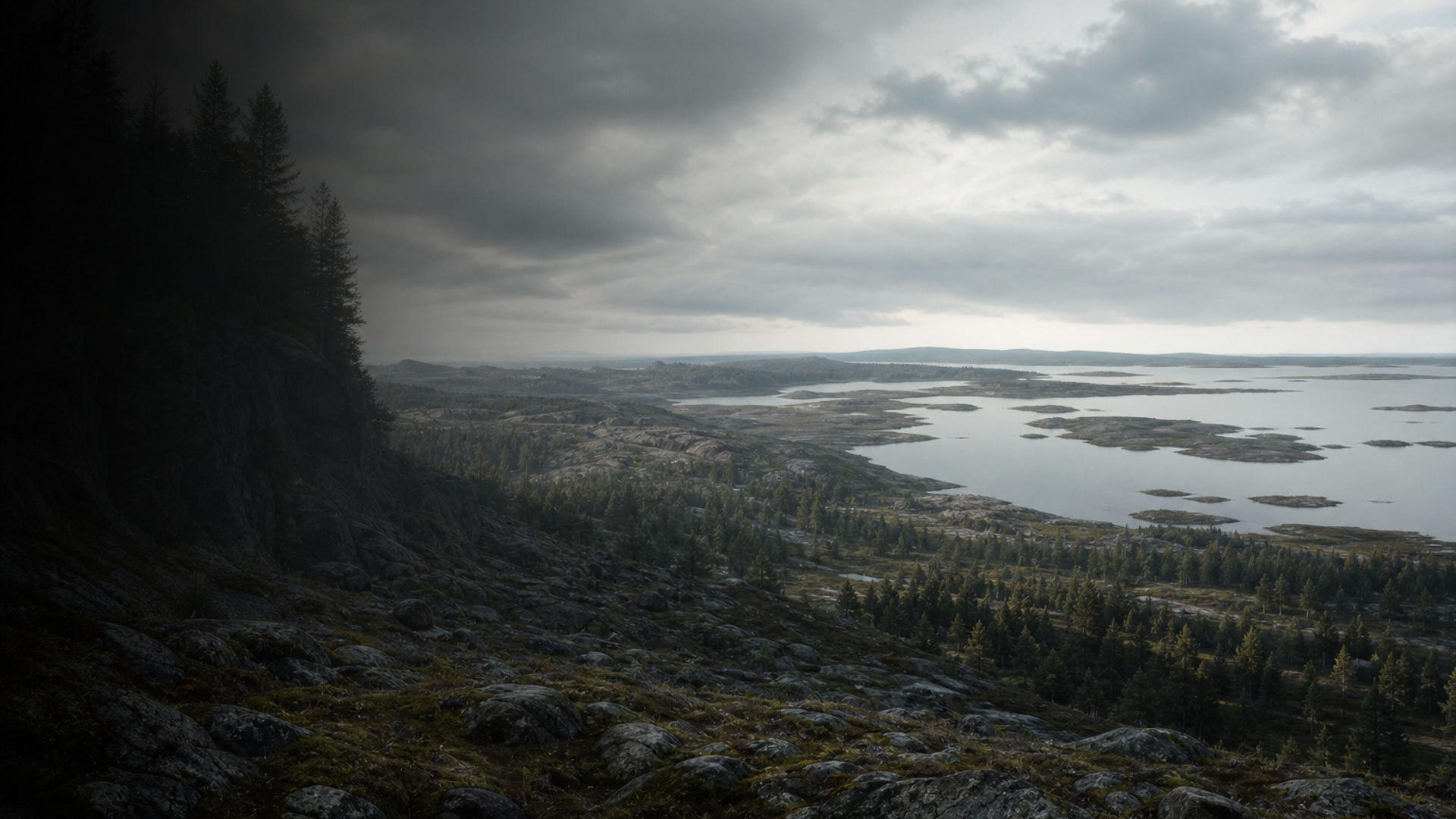
The Sweden_Mesolithic assemblage sits in the long wake of the last Ice Age, when retreating ice and rising seas reshaped Scandinavia's coastline. Archaeological data indicates human presence in what is now Sweden by at least the early Holocene; the samples in this dataset span roughly 8238–6629 BCE and were recovered from Stora Förvar, Stora Bjers, Hanaskede and Bredgården. Limited evidence suggests these communities were part of a broader network of pioneer coastal and riverine groups that exploited rich marine and freshwater resources.

Geomorphological change — shorelines moving inland, newly exposed archipelagos — created corridors for human movement and settlement. Stone tool traditions and seasonal camps found at nearby Mesolithic sites imply mobile lifeways centered on fishing, hunting and foraging. The scarcity of samples (six individuals) means population-level conclusions must be cautious: genetic patterns visible here likely reflect local signatures within a patchwork of Mesolithic populations across southern and central Sweden. Nevertheless, the combination of stratified archaeological contexts and direct radiocarbon dates anchors these individuals in a dynamic era of postglacial colonization and ecological adaptation.

  • Samples dated 8238–6629 BCE from four Swedish sites
  • Postglacial coastal expansion shaped mobility and settlement
  • Conclusions are preliminary due to small sample size
Chapter IV

Daily Life & Society

Material culture and ecofacts across contemporaneous Mesolithic sites paint a vivid, if incomplete, portrait: communities lived close to water, using bone and stone tools to capture fish, seals and wild game. Archaeological traces such as chipped stone implements, worked bone points and concentrations of fish bone and shell hint at seasonal camps with specialized activities. Sites like Stora Förvar and Stora Bjers, positioned on former coastal margins, likely functioned as nodes in seasonal circuits that followed fish runs and bird migrations.

Socially, hunter‑gatherer groups are inferred to have been small, flexible bands with extensive knowledge of local landscapes and resources. Craftsmanship in flint knapping and bone working suggests transmitted skills, while funerary treatments — where present — offer glimpses of personal identity and community memory. Archaeological data indicates that households and camps could be ephemeral yet repeatedly occupied, producing layered deposits that preserve snapshots of diet and technology. In short, daily life combined maritime expertise with mobility, anchored to seasonal rhythms of the early Holocene Baltic environment.

  • Marine and freshwater resources dominated subsistence
  • Small, mobile bands with specialized tool technologies
Chapter V

Genetic Profile

Ancient DNA from these six Mesolithic Swedish individuals shows a striking, if tentative, genetic signal: all six carry mitochondrial haplogroup U (varieties consistent with European hunter‑gatherer lineages), and four of the six males belong to Y‑DNA haplogroup I. These markers are emblematic of Mesolithic Europe and align with broader patterns attributed to Western and Scandinavian hunter‑gatherer ancestry. Archaeogenetic data indicates that haplogroup U (especially subclades like U5 and U4 in other regions) was common among Pleistocene and early Holocene hunter‑gatherers across northern and western Europe, while Y‑DNA I has deep roots in northern Europe.

It is important to emphasize the preliminary nature of conclusions from six samples: with fewer than ten individuals, observed frequencies may not represent the full diversity of Mesolithic Sweden. Still, the concordance of Y and mtDNA markers with archaeological contexts supports a scenario of substantial continuity of hunter‑gatherer ancestry in these early coastal populations. Genetic affinities likely place these individuals within the broader Scandinavian Hunter‑Gatherer (SHG) cline observed in larger ancient DNA datasets — a genetic gradient between western and eastern European hunter‑gatherer groups. Later Neolithic and Bronze Age migrations would alter regional ancestry profiles, but these Mesolithic genomes capture an early chapter of northern European genetic history.

  • mtDNA U present in all six samples — typical of European hunter‑gatherers
  • Y‑DNA I found in four males, suggesting local hunter‑gatherer paternal lineages
Chapter VI

Legacy & Modern Connections

The biological and cultural traces of Sweden's Mesolithic inhabitants echo into later prehistory and modern populations. Haplogroups U and I persist at low to moderate frequencies in present‑day northern Europe, signaling partial genetic continuity alongside subsequent waves of farmers and steppe pastoralists that reshaped the region. Archaeological legacies — coastal subsistence strategies, specialized lithic traditions and seasonal mobility — informed later cultural developments as Neolithic lifeways spread into Scandinavia.

Because this dataset is small, we must avoid overclaiming direct descent. Instead, these individuals are best seen as representatives of ancestral communities whose genes contributed to the mosaic that became modern northern Europe. They illuminate how early people adapted to postglacial environments and set the ecological and social templates that later populations inherited and transformed.

  • Genetic continuity is partial; later migrations reshaped ancestry
  • Mesolithic maritime lifeways influenced subsequent Scandinavian cultures
AI 电源

AI 助手

就 Sweden Mesolithic: Coastal Hunter‑Gatherers 文化提问

AI 助手 由DNAGENICS公司制作

解锁此特性
Ask questions about the Sweden Mesolithic: Coastal Hunter‑Gatherers culture. Our AI assistant can explain genetic findings, historical context, archaeological evidence, and modern connections.
AI 样本分析

Sweden Mesolithic: Coastal Hunter‑Gatherers 文化是人类历史中值得了解的一章……

遗传分析揭示了与早期种群的联系,同时显示了独特的适应和文化创新的证据。 古代DNA样本提供了对迁徙模式、社会结构以及古代种群之间的生物关系的深刻见解。

这是人工智能分析的预览。 解锁全AI 助手, 以探索关于:

  • 遗传组成和祖先
  • 移徙模式和起源
  • 日常生活和文化习俗
  • 现代遗传遗产

探索更古老的文化

揭开古代世界文明的故事

使用优惠码 可减免 35% • 11月12日 到期