Tangbalesayi: Crossroads on the Yili Steppe

下载的 PDF 是图像副本。如需可选中文本及更好的辅助技术支持,请使用打印功能。

Tangbalesayi: Crossroads on the Yili Steppe

揭开一个失落的文明

正在加载考古记录……

正在收集古代记录

跳转到主内容
Tangbalesayi: Crossroads on the Yili Steppe
文明焦点

Tangbalesayi: Crossroads on the Yili Steppe

Medieval Yili burials (991–1031 CE) revealing mixed maternal lineages U and C at a Xinjiang site

991 CE - 1031 CE
Xinjiang, China (Yili Region, Nileke County, Tangbalesayi)
滚动开始
Chapter I

剧情

了解 Tangbalesayi: Crossroads on the Yili Steppe 文化

Archaeological and genetic glimpses from Tangbalesayi (Nileke County, Yili, Xinjiang) dated 991–1031 CE. Four samples show mtDNA U and C, hinting at east–west maternal connections in a Silk Road landscape; conclusions are preliminary due to small sample size.

Time Period

991–1031 CE

Region

Xinjiang, China (Yili Region, Nileke County, Tangbalesayi)

Common Y-DNA

Undetermined / not reported

Common mtDNA

U (2), C (2)

Chapter II

时间线

这种文化历史上的关键时刻

10 CE

Regional connectivity peak (approx.)

Around the 10th–11th centuries, Silk Road networks intensified movement across the Tian Shan corridors.

991 CE

Earliest dated burial

One of the Tangbalesayi samples dates to 991 CE, providing a secure medieval chronological anchor.

1031 CE

Latest dated burial

Another analyzed burial is dated to 1031 CE, bracketing the site’s sampled use to the early eleventh century.

Chapter III

Origins & Emergence

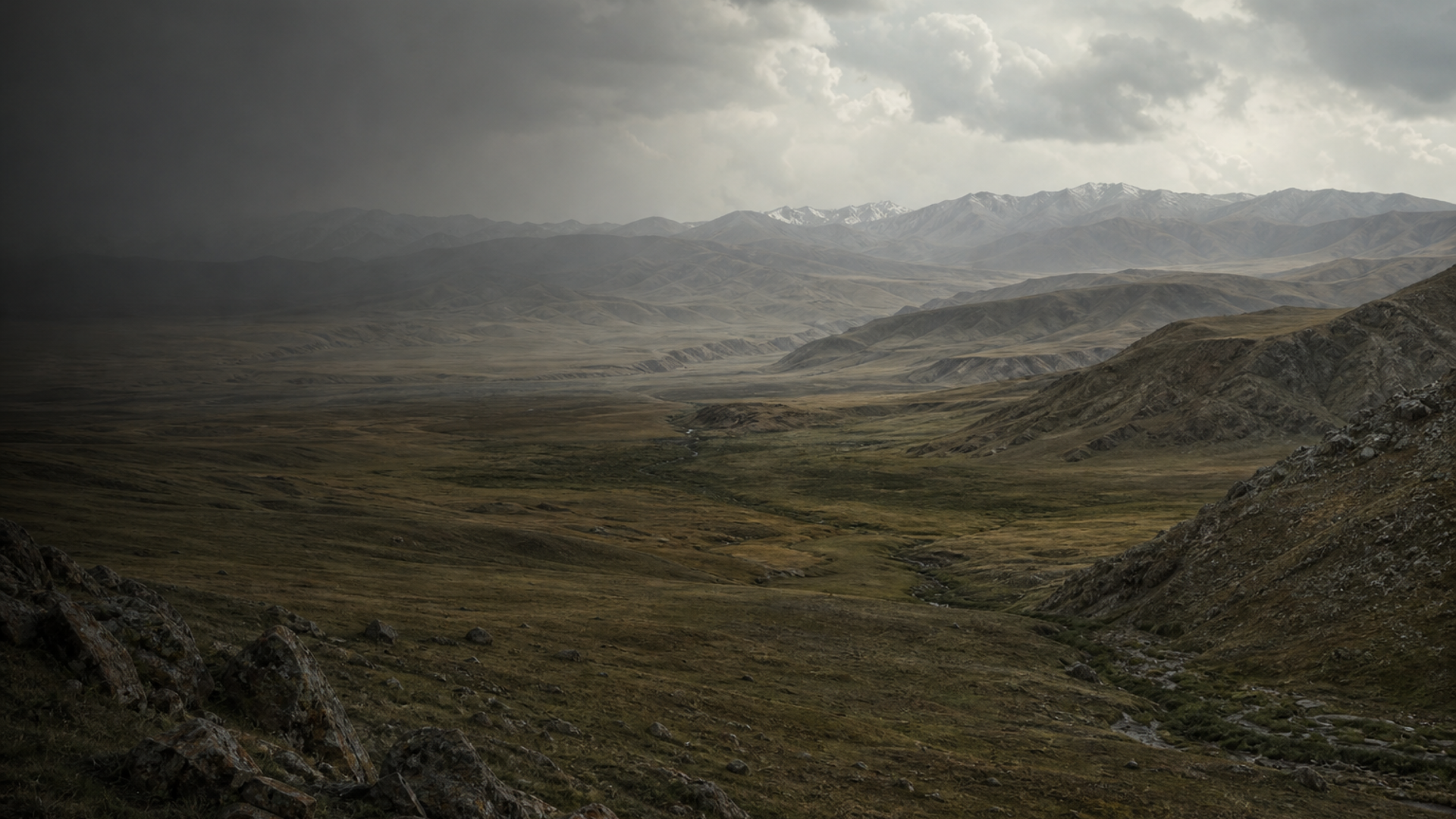
Tangbalesayi sits in the gentle bowl of the Yili basin in northwest China — a place where steppe winds meet irrigated valleys. Archaeological data indicates human activity at the site during the late first millennium CE, and the four directly dated individuals fall between 991 and 1031 CE. This interval places Tangbalesayi in a dynamic historical moment when routes across the western Tian Shan funneled goods, people, and ideas between East Asia, Inner Asia, and the Iranian world.

Limited evidence suggests the burials represent a small, locally rooted community that participated in broader networks rather than an isolated enclave. Grave goods and burial orientations reported in field notes point to cultural practices influenced by multiple traditions; however, the assemblage is modest and preservation uneven. The combination of landscape — irrigated riverine plains adjacent to steppe corridors — and material traces supports a narrative of a community shaped by mobility, trade, and local continuity.

Because only four samples have been analyzed, any reconstruction of population history must remain cautious. The archaeological record permits hypotheses of cultural interaction and movement, but disentangling local continuity from incoming individuals requires more extensive excavation and sampling.

  • Site: Tangbalesayi, Nileke County, Yili Region, Xinjiang, China
  • Dates: Four individuals dated 991–1031 CE
  • Context: Small burial assemblage in a crossroads landscape
Chapter IV

Daily Life & Society

The material traces at Tangbalesayi evoke daily life on a frontier of movement. Archaeological data indicates modest domestic architecture in the wider Yili basin and funerary practices that blend local steppe customs with influences traceable across Inner Asia. Crafts, foodways, and mobility patterns for communities in this part of Xinjiang would have been shaped by irrigation agriculture in valley bottoms and seasonal pasture use on nearby uplands.

Trade and exchange shaped livelihoods: caravans and local markets transmitted textiles, metalwork, and foodstuffs along the Silk Road threads that touched the region. Livestock, particularly sheep and horses, underpinned both economy and social life. Evidence from comparable sites in the Yili region points to mixed agropastoral economies, and Tangbalesayi likely participated in these patterns. Gendered tasks and household organization can be inferred from burial goods and body treatments but remain tentative given the small sample size.

The community’s cultural vocabulary was therefore layered — rooted in local subsistence needs while receptive to itinerant influences. Archaeological interpretations emphasize interaction over isolation, but specifics about social hierarchy, political allegiance, or ritual life at Tangbalesayi await larger excavation and contextual study.

  • Economy likely agropastoral, combining irrigation agriculture and seasonal grazing
  • Daily life shaped by local practices and long-distance exchange along Silk Road routes
Chapter V

Genetic Profile

Genetic analysis of the four Tangbalesayi individuals produced clear signals in the mitochondrial genome: two individuals carried haplogroup U and two carried haplogroup C. MtDNA U is broadly distributed across West Eurasia and is often associated with ancient and modern populations from Europe and parts of western and central Asia. Haplogroup C is more commonly found in northeastern Eurasian and Siberian populations. The coexistence of U and C among these four maternal lineages aligns with Xinjiang’s long-standing role as a genetic contact zone between eastern and western Eurasia.

No consensus Y‑chromosome haplogroup was reported for these samples, so paternal lineages remain undetermined. Without Y‑DNA or genome-wide autosomal data for a larger number of individuals, it is not possible to quantify admixture proportions, timings, or sex-biased migration. Importantly, because the sample count is low (n = 4), any inference about population-level structure is provisional: the combination of U and C could reflect family-level diversity, recent mobility, or broader regional admixture.

Archaeogenetic interpretation benefits from coupling these mtDNA results with archaeological context: the burial dates (991–1031 CE) overlap with historical movements and political shifts in Xinjiang, which could have promoted gene flow. Future sampling and genome-wide sequencing will be needed to test models of continuity versus migration and to place Tangbalesayi more precisely within the genetic mosaic of medieval Central Asia.

  • Maternal haplogroups: U (2 samples) and C (2 samples), suggesting east–west maternal diversity
  • No robust Y‑DNA signal reported; low sample count (n=4) makes population-level conclusions preliminary
Chapter VI

Legacy & Modern Connections

Tangbalesayi’s small dataset offers a cinematic glimpse of medieval Xinjiang as a place of intertwined lineages. Modern populations in the Yili basin and wider Xinjiang display complex admixture patterns reflecting millennia of interaction; the mtDNA mix at Tangbalesayi hints at continuity in that pattern. Archaeological continuity in settlement and material culture across the region suggests that many modern genetic signatures are palimpsests of repeated movement, assimilation, and local survival.

That said, robust links between these four medieval individuals and specific contemporary groups cannot be established with current data. Limited sample size and absence of genome-wide comparisons mean any connecting narrative must be tentative. Continued excavation, careful contextual recording, and expanded genetic sampling will clarify whether Tangbalesayi represents a localized microcosm of broader regional gene flow or a snapshot of transient individuals passing through an era of heightened connectivity.

  • MtDNA mix aligns with Xinjiang’s long-term east–west genetic interplay
  • More samples and genome-wide data needed to link medieval individuals to modern populations
AI 电源

AI 助手

就 Tangbalesayi: Crossroads on the Yili Steppe 文化提问

AI 助手 由DNAGENICS公司制作

解锁此特性
Ask questions about the Tangbalesayi: Crossroads on the Yili Steppe culture. Our AI assistant can explain genetic findings, historical context, archaeological evidence, and modern connections.
AI 样本分析

Tangbalesayi: Crossroads on the Yili Steppe 文化是人类历史中值得了解的一章……

遗传分析揭示了与早期种群的联系,同时显示了独特的适应和文化创新的证据。 古代DNA样本提供了对迁徙模式、社会结构以及古代种群之间的生物关系的深刻见解。

这是人工智能分析的预览。 解锁全AI 助手, 以探索关于:

  • 遗传组成和祖先
  • 移徙模式和起源
  • 日常生活和文化习俗
  • 现代遗传遗产

探索更古老的文化

揭开古代世界文明的故事

使用优惠码 可减免 35% • 11月12日 到期