Tatika: Late Chalcolithic–Early Bronze

下载的 PDF 是图像副本。如需可选中文本及更好的辅助技术支持,请使用打印功能。

Tatika: Late Chalcolithic–Early Bronze

揭开一个失落的文明

正在加载考古记录……

正在收集古代记录

跳转到主内容
Tatika: Late Chalcolithic–Early Bronze
文明焦点

Tatika: Late Chalcolithic–Early Bronze

Three genomes from Şırnak trace tentative maternal lines during Anatolia’s transformation

3700 CE - 2400 BCE
Southeast Turkey (Şırnak province)
滚动开始
Chapter I

剧情

了解 Tatika: Late Chalcolithic–Early Bronze 文化

Archaeogenetic results from Tatika (Koçtepe köyü, Şırnak) link Late Chalcolithic–Early Bronze Age archaeology (3700–2400 BCE) with three maternal lineages (K1a, U, I1b). Limited samples make conclusions preliminary but offer windows into Anatolia’s shifting peoples.

Time Period

3700–2400 BCE

Region

Southeast Turkey (Şırnak province)

Common Y-DNA

Unknown / insufficient data

Common mtDNA

K1a, U, I1b (each in 1 sample)

Chapter II

时间线

这种文化历史上的关键时刻

2500 BCE

Occupation at Tatika (Koçtepe köyü)

Archaeological layers and recovered artifacts indicate sustained village life during the Late Chalcolithic–Early Bronze transition around 2500 BCE.

Chapter III

Origins & Emergence

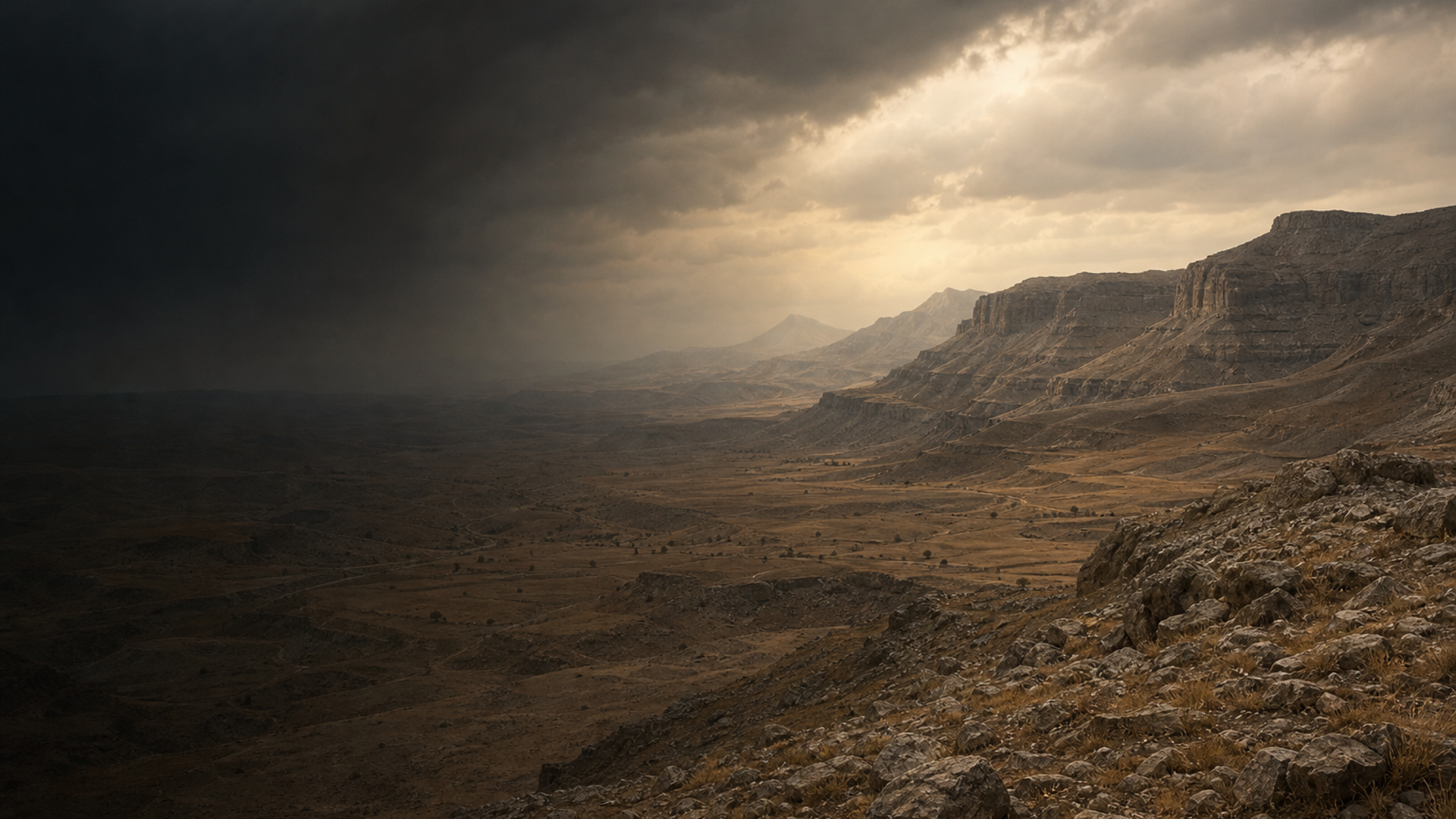
The Tatika assemblage sits at a cinematic hinge of Anatolian prehistory: the slow, sun-baked terraces of the Late Chalcolithic giving way to the more complex social landscapes of the Early Bronze Age (ca. 3700–2400 BCE). Archaeological data from the Koçtepe köyü locale (Güçlükonak district, Şırnak province) indicate long-lived village occupation, with material culture that echoes broader southeastern Anatolian networks — pottery styles, chipped and ground stone tools, and funerary traces that point to increasing interregional contact.

Limited evidence suggests local communities were intensifying craft production and exchange across Mesopotamian and Anatolian corridors. The three genetic samples from Tatika provide a rare molecular snapshot within this range, but the small sample count (n = 3) requires caution: any reconstruction of population origins or movements must be described as provisional. Archaeologically, the site fits within a mosaic of continuity and change — local traditions persist even as new objects and possibly new people pass through the region. Patterns visible in ceramics and burial practice hint at negotiation between indigenous lifeways and incoming influences, but pinning these to specific migrations or cultural packages will require more data.

  • Occupied during the Late Chalcolithic–Early Bronze span (3700–2400 BCE)
  • Located at Tatika (Koçtepe köyü), Güçlükonak, Şırnak province
  • Evidence suggests local continuity with growing interregional connections
Chapter IV

Daily Life & Society

Life in the Tatika landscape can be imagined through fragments: pottery scorched by hearths, grain impressions on ceramic, and chipped stone tools shaped for both domestic tasks and long-distance exchange. Archaeological remains indicate small to medium-sized settlements organized around kin groups, with agriculture and pastoralism likely forming the economic backbone. Seasonal mobility for herding is plausible given the rugged terrain of southeastern Anatolia and known patterns elsewhere in the region.

Social life would have been anchored in household production: weaving, food processing, and ceramic manufacture. Funerary traces are sparse at Tatika, but where present they offer glimpses of social differentiation — personal ornaments and varied burial treatments suggest emerging status differences by the Late Chalcolithic and into the Early Bronze Age. Craft specialization and trade links to neighboring regions would have created households that were both self-sufficient and connected to wider exchange networks.

Archaeological interpretation must remain cautious: the material record at Tatika is fragmentary and the genetic sample set is minimal. Nevertheless, the combined picture is of resilient local communities adapting to broader economic and social currents.

  • Economy likely based on mixed agriculture and pastoralism
  • Household crafts and regional exchange evident; funerary traces hint at social differentiation
Chapter V

Genetic Profile

Three genomic samples from Tatika yield only a slender but valuable thread of biological information. All three individuals carry mitochondrial haplogroups: one K1a, one U, and one labeled I1b. These maternal lineages are part of a broader West Eurasian mtDNA tapestry: K and U are commonly observed across Neolithic and Bronze Age Anatolia and Europe, while haplogroup I (including sublineages) appears intermittently in ancient Near Eastern and European contexts. The lack of consistent Y‑chromosome results in this dataset (insufficient or unreported Y‑DNA) prevents confident statements about paternal ancestry or sex-biased migration.

Because the sample count is low (n = 3), any inference about population continuity, replacement, or admixture remains provisional. Archaeogenetic patterns that have been observed elsewhere in Anatolia — such as persistence of local Neolithic-derived maternal lineages alongside incoming genetic inputs during later Bronze Age horizons — provide a comparative framework, but direct parallels cannot be assumed for Tatika without more samples. Future work that expands the number and geographic spread of samples, integrates radiocarbon dating, and pairs autosomal analyses with Y and mtDNA will be required to resolve whether Tatika’s inhabitants reflect local persistence, small-scale migration, or complex admixture.

  • mtDNA observed: K1a, U, I1b (each observed once)
  • Y-DNA: insufficient data; conclusions about paternal ancestry are tentative
Chapter VI

Legacy & Modern Connections

Tatika’s small genetic sample offers a faint echo of the deep past that nevertheless connects to living landscapes. Maternal lineages like K and U persist in modern West Eurasian and Anatolian populations, suggesting threads of continuity across millennia; however, linking individual ancient samples directly to present-day groups is methodologically fraught and must be done cautiously. Archaeological continuity in material culture, combined with intermittent genetic signals, paints a picture of long-term local resilience punctuated by episodic influxes of new people and ideas.

These Tatika genomes are best viewed as early test cases: they contribute to a growing mosaic of ancient DNA from Anatolia but are not yet sufficient to redraw maps of population history. They do, however, illuminate how archaeological excavation and genetics can converge to reveal the lived human stories behind pottery sherds and burial pits. As more data accumulate, the tentative signals from Tatika will either be reinforced or revised, refining our understanding of how prehistoric Anatolian communities shaped the genetic and cultural foundations of the region.

  • Maternal lineages observed have modern Near Eastern and European presence
  • Current conclusions are preliminary; further sampling is needed for robust modern links
AI 电源

AI 助手

就 Tatika: Late Chalcolithic–Early Bronze 文化提问

AI 助手 由DNAGENICS公司制作

解锁此特性
Ask questions about the Tatika: Late Chalcolithic–Early Bronze culture. Our AI assistant can explain genetic findings, historical context, archaeological evidence, and modern connections.
AI 样本分析

Tatika: Late Chalcolithic–Early Bronze 文化是人类历史中值得了解的一章……

遗传分析揭示了与早期种群的联系,同时显示了独特的适应和文化创新的证据。 古代DNA样本提供了对迁徙模式、社会结构以及古代种群之间的生物关系的深刻见解。

这是人工智能分析的预览。 解锁全AI 助手, 以探索关于:

  • 遗传组成和祖先
  • 移徙模式和起源
  • 日常生活和文化习俗
  • 现代遗传遗产

探索更古老的文化

揭开古代世界文明的故事

使用优惠码 可减免 35% • 11月12日 到期




