Teishebaini: Voices of the Urartian Realm

下载的 PDF 是图像副本。如需可选中文本及更好的辅助技术支持,请使用打印功能。

Teishebaini: Voices of the Urartian Realm

揭开一个失落的文明

正在加载考古记录……

正在收集古代记录

跳转到主内容
Teishebaini: Voices of the Urartian Realm
文明焦点

Teishebaini: Voices of the Urartian Realm

Human stories from Karmir Blur — fortresses, burials, and ancient DNA

902 CE - 417 BCE
Armenian Highlands (Karmir Blur, Teishebaini)
9 Ancient Samples
滚动开始
Chapter I

剧情

了解 Teishebaini: Voices of the Urartian Realm 文化

Archaeological and genetic glimpses from Karmir Blur (Teishebaini), an Urartian necropolis in Armenia (902–417 BCE). Limited ancient mtDNA (n=9) reveals maternal lineages J1b, T, I, U, K. Preliminary results hint at West Eurasian affinities and complex local histories.

Time Period

902–417 BCE

Region

Armenian Highlands (Karmir Blur, Teishebaini)

Common Y-DNA

Not reported / limited data

Common mtDNA

J1b (2), T (1), I (1), U (1), K (1)

Chapter II

时间线

这种文化历史上的关键时刻

2500 BCE

Bronze Age foundations in the Highlands

Earlier Bronze Age horizons (e.g., Kura‑Araxes) laid long-term cultural and settlement patterns that later shaped Urartian society in the Armenian Highlands.

Chapter III

Origins & Emergence

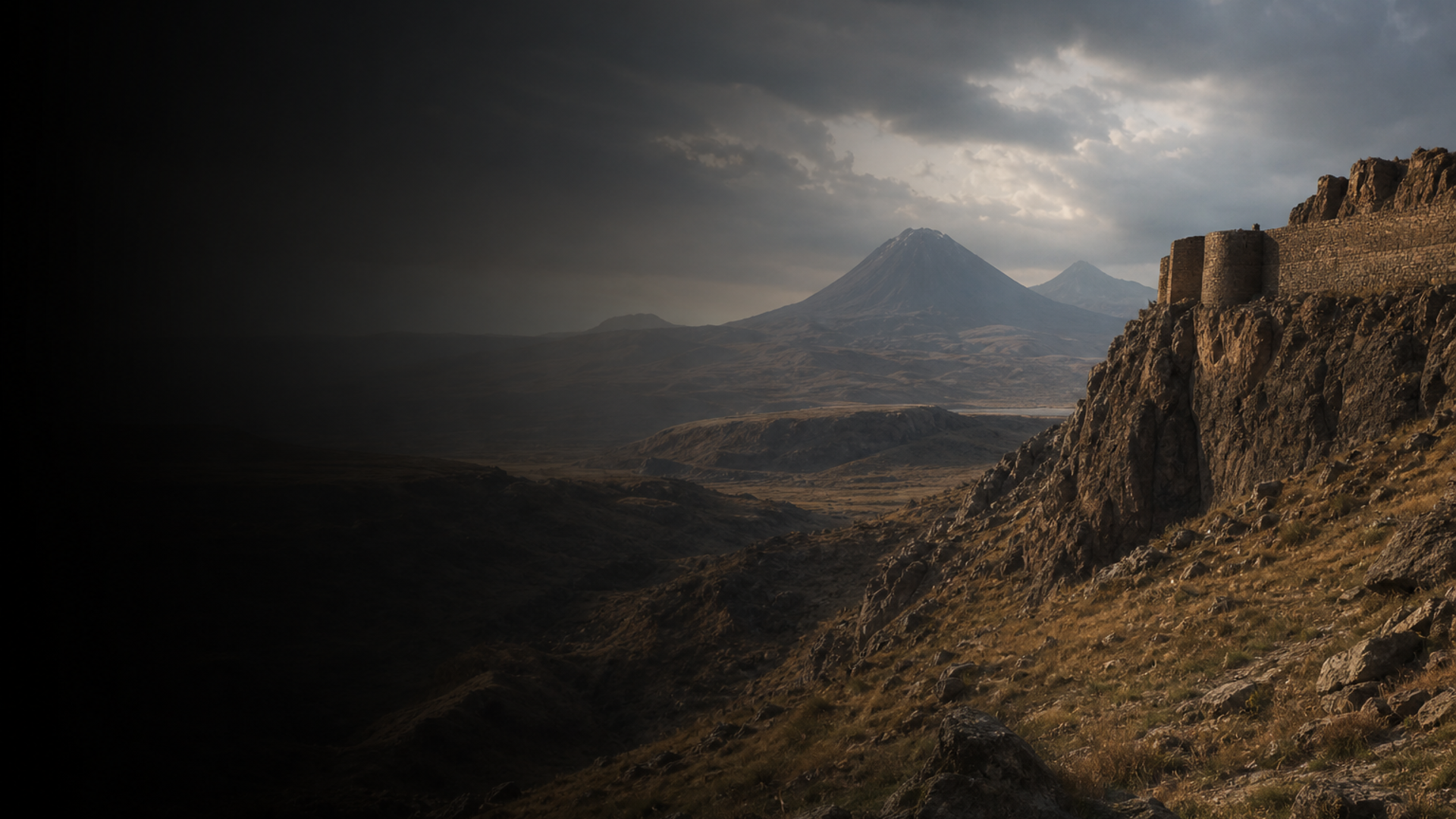
From the crest of the Armenian Highlands, the Urartian polity carved an iron-age kingdom that became visible in stone and clay. At Karmir Blur — the mound beneath which the city of Teishebaini lies — excavation has revealed the footprint of an organized state: fortress walls, administrative structures, and a necropolis that preserves lives in both artifacts and bones. Archaeological data indicates occupation and monumental activity within the timeframe 902–417 BCE associated with the Urartian Empire. The material record speaks of craft specialization, inter-regional exchange, and political centralization; painted pottery, inscribed objects, and defensive architecture evoke a world of organized labor and ceremonial life.

Limited evidence suggests that the community of Teishebaini was part of a network linking the Armenian Highlands to the broader Near East. While monumental inscriptions and architecture tell the story of elite institutions, the human remains from the necropolis give a quieter, biological voice. Because the genetic sample is small (n=9), any reconstruction of population origins must remain tentative. Nonetheless, combining the cinematic sweep of fortresses and the precise language of DNA creates a layered portrait: a fortified capital in a contested highland landscape, inhabited by people whose maternal lineages reflect long-standing West Eurasian connections.

  • Karmir Blur (Teishebaini) is a key Urartian site in Armenia
  • Occupation within the Urartian period: 902–417 BCE
  • Evidence of state organization alongside regional exchange
Chapter IV

Daily Life & Society

Archaeology at the necropolis of Teishebaini offers intimate glimpses of daily life: funerary goods, pottery fragments, and skeletal remains that together suggest status differences, craft activities, and mobility. Excavated burials often contain ceramic vessels, metal objects, and occasionally imported items — archaeological signals of both local manufacture and connections to distant workshops. The urban layout implied by the fortress and its supporting structures suggests a population organized around administrative and religious functions, with craftsmen, soldiers, and families sharing a fortified landscape.

Osteological evidence from the necropolis can tell us about diet, workload, and health: wear patterns on bones and teeth indicate strenuous activities and a diet relying on cereals and domesticates common to the highlands. Archaeological data indicates that mortuary behavior in Teishebaini combined communal practices with markers of individual identity. Yet many social details remain shadowed by the passage of time and the partial nature of the record; interpretations rely on careful cross-checking of grave assemblages, architecture, and isotopic or genetic data when available.

  • Necropolis burials show varied grave goods and social differentiation
  • Material culture indicates local craft plus interregional exchange
Chapter V

Genetic Profile

Ancient DNA retrieved from the necropolis at Karmir Blur presents a preliminary maternal portrait: among nine sequenced individuals, mitochondrial haplogroups include J1b (2 individuals), T (1), I (1), U (1), and K (1). These haplogroups are broadly distributed across West Eurasia and are found in diverse ancient and modern populations from the Near East, the Caucasus, and parts of Europe. Archaeological data indicates the site was a political center within the Urartian sphere; the mtDNA signals we see are consistent with a population bearing regional West Eurasian maternal ancestry during the Iron Age.

Important caveats stand beside these findings. The sample count is small (n=9): when sample sizes are below ten, genetic inferences are inherently preliminary and may not capture the full population diversity. Notably, Y-chromosome data for these individuals is not reported or is limited, so paternal lineages and male-mediated mobility remain unresolved. Combined with isotope and archaeological evidence, however, the mtDNA results hint at a tapestry of local continuity and long-distance contacts — trade, marriages, and population movements that left genetic traces in maternal lines. Future, larger-scale sequencing and comparative studies with neighboring sites will be necessary to test patterns of continuity, admixture, and demographic change.

  • mtDNA haplogroups: J1b (2), T, I, U, K — suggesting West Eurasian maternal affinity
  • Sample size small (n=9); conclusions are preliminary and require larger datasets
Chapter VI

Legacy & Modern Connections

The stones of Teishebaini still speak: they anchor cultural memory in the Armenian Highlands and provide a touchstone for modern reflections on identity and ancestry. Genetic traces from the necropolis suggest maternal lineages that are part of a broader West Eurasian mosaic; archaeological continuity in settlement and material culture reinforces the idea of long-term occupation and regional cultural development. Limited evidence suggests some degree of genetic continuity in the highlands, but direct links between ancient individuals and modern populations must be drawn cautiously.

Cinematic panoramas of ruined walls and silent tombs should be balanced with scientific restraint. The combination of archaeology and ancient DNA transforms isolated artifacts into human biographies, but it also highlights the gaps — the lives not sampled, the lineages lost, and the stories not yet told. As more data accumulates, the fragile outlines visible at Karmir Blur may resolve into a richer map of descent, migration, and cultural inheritance across the Armenian Highlands.

  • Findings hint at maternal continuity in the Armenian Highlands, but are provisional
  • Archaeology + aDNA together enrich narratives of identity while emphasizing gaps
Chapter VII

样本目录

9 份与 Teishebaini: Voices of the Urartian Realm 文化相关的古 DNA 样本,为研究该时期的人群提供遗传线索。

9 / 9 samples
纵向 样本 国家 大纪元 日期 文化 性别 Y-DNA mtDNA
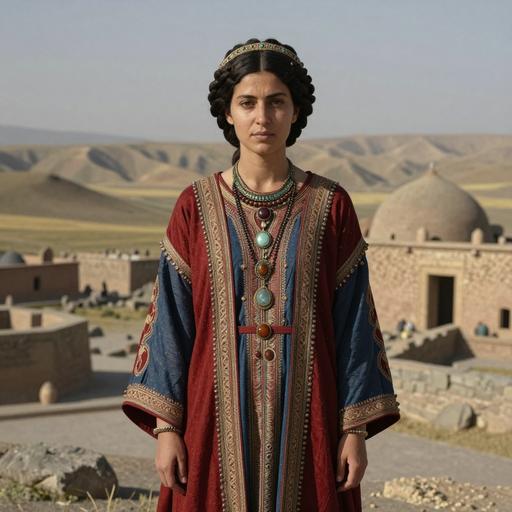
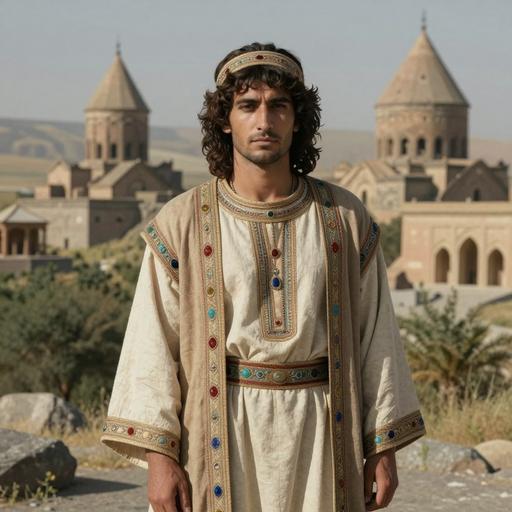
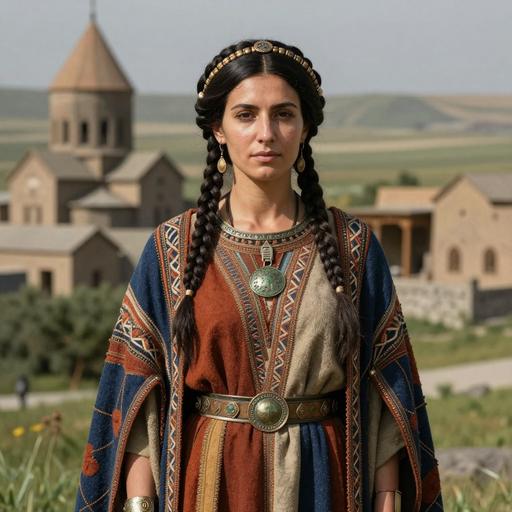
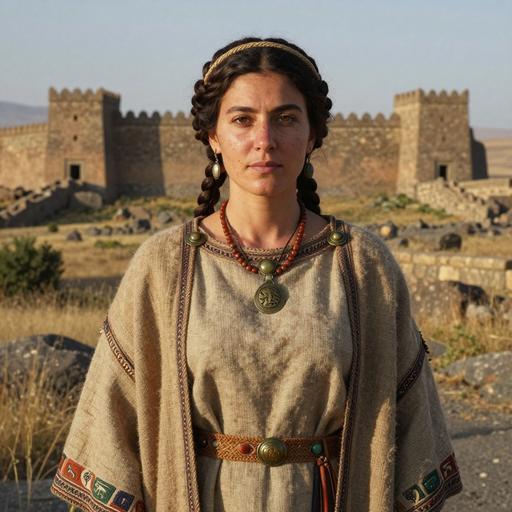
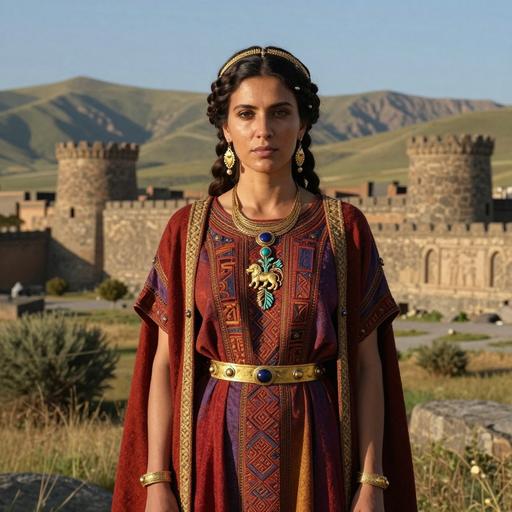
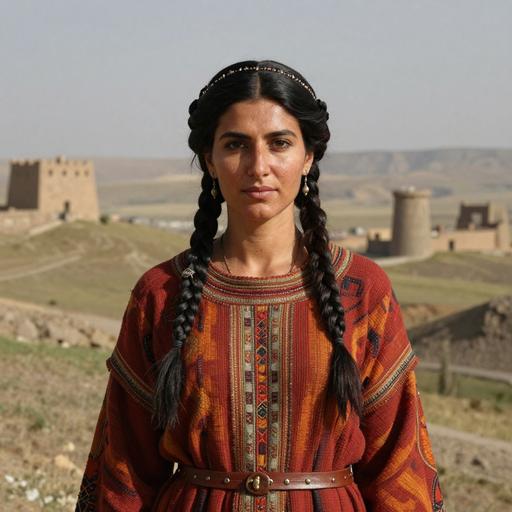
重建的肖像画 Karmir Blur IA Urartian individual, Armenia
Karmir Blur IA Urartian individual, Armenia
Armenia Armenia_UrartianEmpire 902-812 calBCE (2710±20 BP, PSUAMS-6156) Ancient Near Eastern Civilization F - I
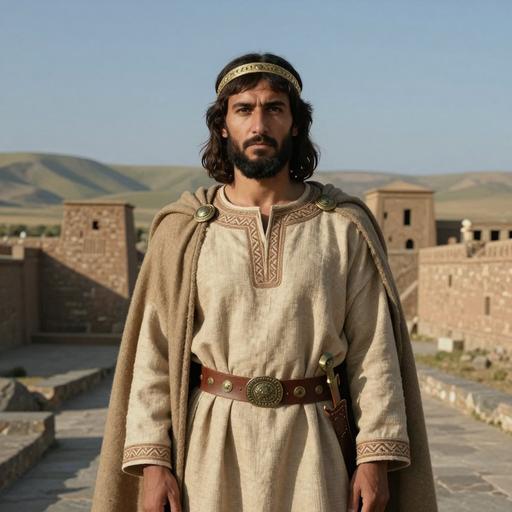
重建的肖像画 Karmir Blur Urartian individual, Armenia
Karmir Blur Urartian individual, Armenia
Armenia Armenia_UrartianEmpire 700-600 BCE Ancient Near Eastern Civilization F - K1a4f1
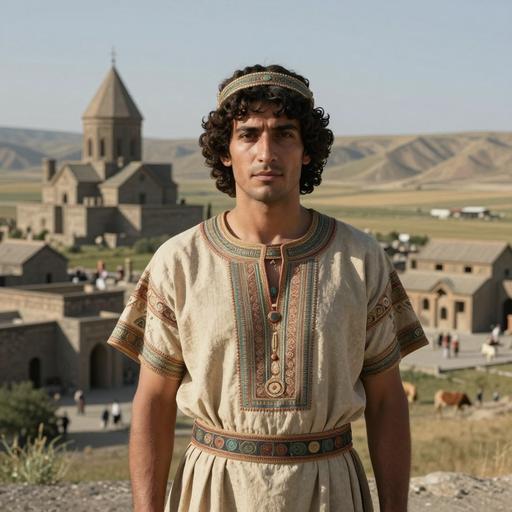
重建的肖像画 Karmir Blur IA Urartian-o individual, Armenia
Karmir Blur IA Urartian-o individual, Armenia
Armenia Armenia_UrartianEmpire 752-417 calBCE (2455±20 BP, PSUAMS-6168) Ancient Near Eastern Civilization M R-M269 H8b
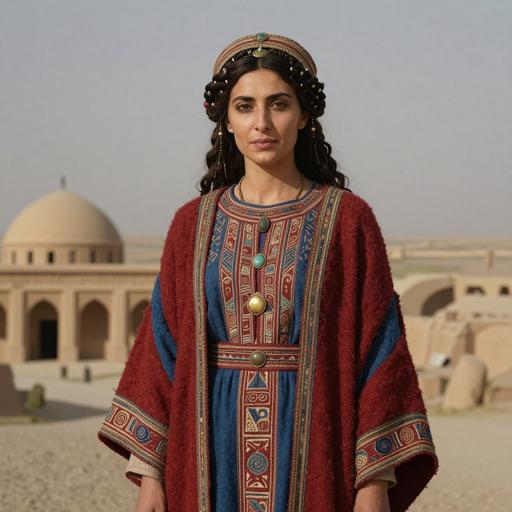
重建的肖像画 Karmir Blur IA Urartian individual, Armenia
Karmir Blur IA Urartian individual, Armenia
Armenia Armenia_UrartianEmpire 891-793 calBCE (2655±20 BP, PSUAMS-6166) Ancient Near Eastern Civilization M J-Y140368 U1a1a1
重建的肖像画 Karmir Blur IA Urartian individual, Armenia
Karmir Blur IA Urartian individual, Armenia
Armenia Armenia_UrartianEmpire 900-809 calBCE (2700±20 BP, PSUAMS-6155) Ancient Near Eastern Civilization F - T2c1d+152
重建的肖像画 Karmir Blur IA Urartian individual, Armenia
Karmir Blur IA Urartian individual, Armenia
Armenia Armenia_UrartianEmpire 815-781 calBCE (2625±20 BP, PSUAMS-3056) Ancient Near Eastern Civilization M G-Y238 K1
重建的肖像画 Karmir Blur IA Urartian individual, Armenia
Karmir Blur IA Urartian individual, Armenia
Armenia Armenia_UrartianEmpire 900-600 BCE Ancient Near Eastern Civilization F - J1b
重建的肖像画 Karmir Blur IA Urartian individual, Armenia
Karmir Blur IA Urartian individual, Armenia
Armenia Armenia_UrartianEmpire 900-803 calBCE (2685±20 BP, PSUAMS-6167) Ancient Near Eastern Civilization F - J1b
重建的肖像画 Karmir Blur Urartian individual, Armenia
Karmir Blur Urartian individual, Armenia
Armenia Armenia_UrartianEmpire 700-600 BCE Ancient Near Eastern Civilization F - H14a2c
AI 电源

AI 助手

就 Teishebaini: Voices of the Urartian Realm 文化提问

AI 助手 由DNAGENICS公司制作

解锁此特性
Ask questions about the Teishebaini: Voices of the Urartian Realm culture. Our AI assistant can explain genetic findings, historical context, archaeological evidence, and modern connections.
AI 样本分析

Teishebaini: Voices of the Urartian Realm 文化是人类历史中值得了解的一章……

遗传分析揭示了与早期种群的联系,同时显示了独特的适应和文化创新的证据。 古代DNA样本提供了对迁徙模式、社会结构以及古代种群之间的生物关系的深刻见解。

这是人工智能分析的预览。 解锁全AI 助手, 以探索关于:

  • 遗传组成和祖先
  • 移徙模式和起源
  • 日常生活和文化习俗
  • 现代遗传遗产

探索更古老的文化

揭开古代世界文明的故事

使用优惠码 可减免 35% • 11月12日 到期