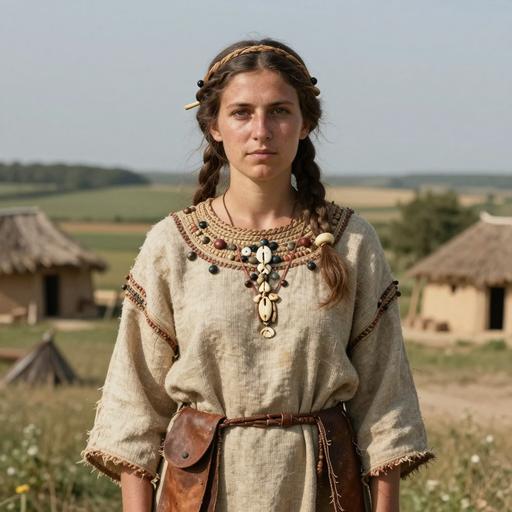
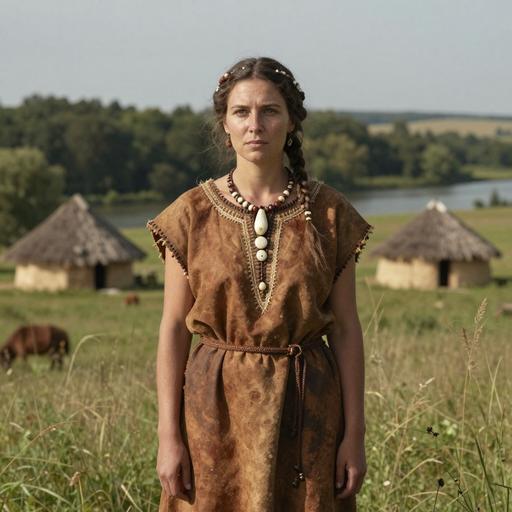
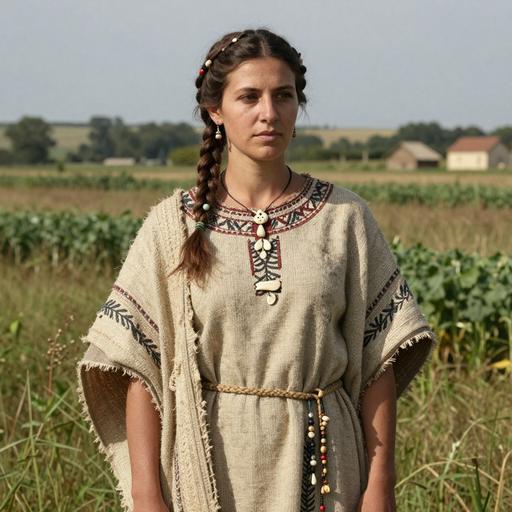
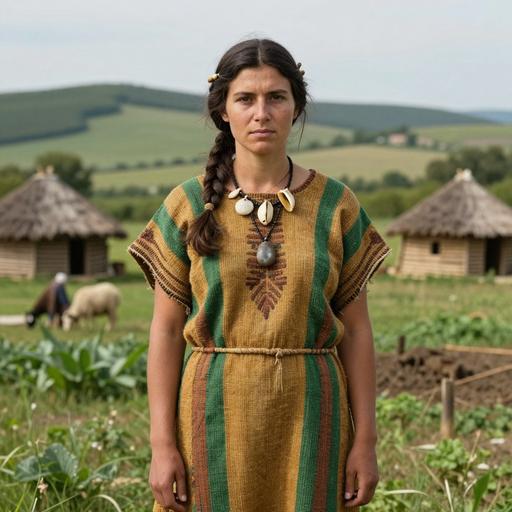
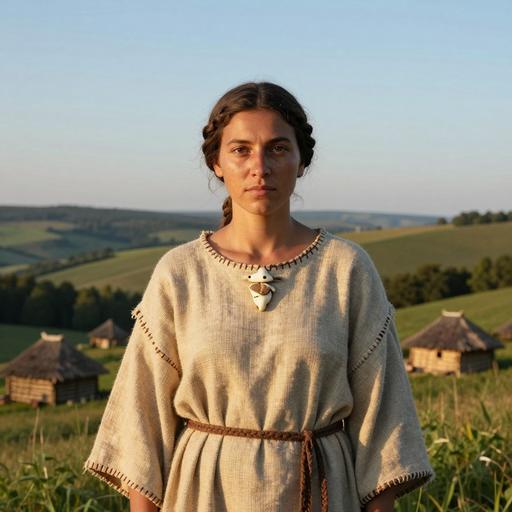
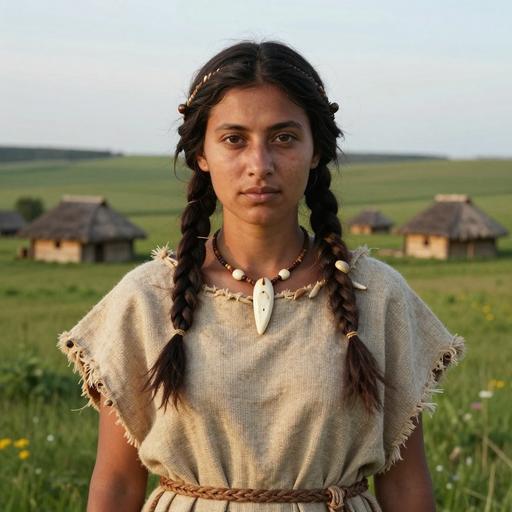
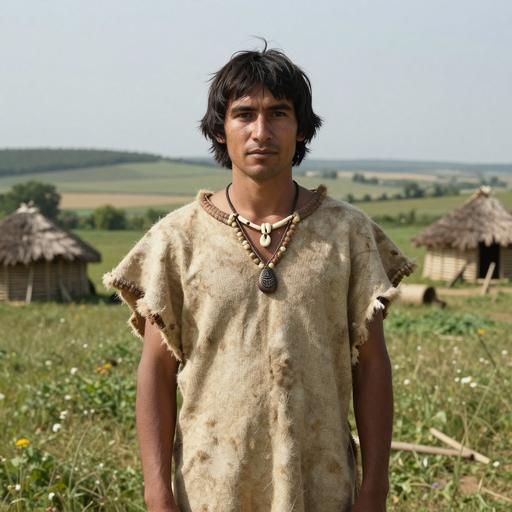
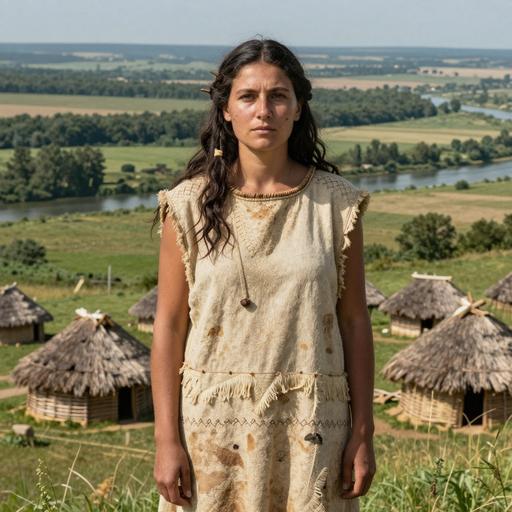
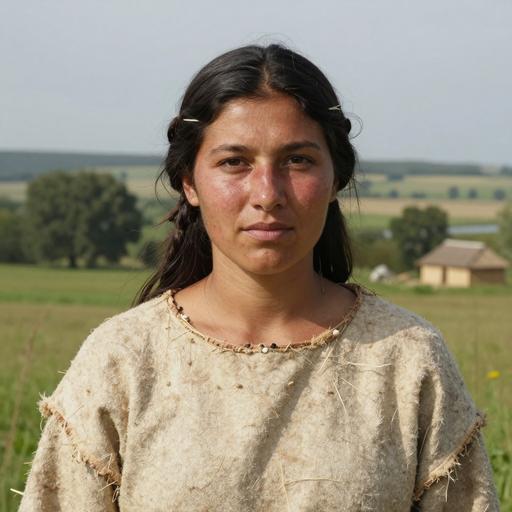
A cinematic landscape of fields and longhouses: LBK villages clustered along river valleys where well‑drained loess soils supported wheat, barley, pulses and domesticated animals. Houses were timber framed and long, sometimes arranged in rows; the material record—pottery, polished stone axes, and flint tools—speaks of craft specialization and landscape engineering.
Mortuary practices varied across the region and through time. Some communities used simple in‑situ burials adjacent to houses, while other contexts — notably Herxheim (Rhineland‑Palatinate) and several late Neolithic pits — preserve complex depositional patterns and disarticulated remains that archaeologists debate as ritual or violent events. Derenburg‑MeerenstiegII and Halberstadt (Saxony‑Anhalt) provide evidence of evolving burial rites into the Middle and Late Neolithic, including collective burial monuments and changes in grave goods.
Social organization likely combined kin‑based households with wider networks for exchange and marriage. Craft items, pottery styles, and the distribution of exotic raw materials reflect connections across hundreds of kilometers, while localized ceramic types (e.g., regional LBK varieties, later Sopot and Lengyel influences) document cultural differentiation.