Unetice Bohemia: Early Bronze Age Echoes

下载的 PDF 是图像副本。如需可选中文本及更好的辅助技术支持,请使用打印功能。

Unetice Bohemia: Early Bronze Age Echoes

揭开一个失落的文明

正在加载考古记录……

正在收集古代记录

跳转到主内容
Unetice Bohemia: Early Bronze Age Echoes
文明焦点

Unetice Bohemia: Early Bronze Age Echoes

Bronze Age horizons in Bohemia where metal, burial mounds, and genes meet

2452 CE - 1500 BCE
Bohemia, Czech Republic
滚动开始
Chapter I

剧情

了解 Unetice Bohemia: Early Bronze Age Echoes 文化

Archaeological and genetic evidence from 161 Early Bronze Age Unetice samples (2452–1500 BCE) in Bohemia reveals a dynamic society marked by metal prestige, local continuity in maternal lineages, and mixed paternal ancestry reflecting broader European Bronze Age transformations.

Time Period

2452–1500 BCE

Region

Bohemia, Czech Republic

Common Y-DNA

R (17), I (13), G (1)

Common mtDNA

U (28), T (8), K (6), H (6), T2b (4)

Chapter II

时间线

这种文化历史上的关键时刻

2500 BCE

Unetice horizons appear in Bohemia

Emergence of Early Bronze Age Unetice cultural traits—metalwork, barrows and shifting burial practices—anchored in Bohemian river valleys.

Chapter III

Origins & Emergence

A pale horizon of early Bronze Age smoke and hammered bronze: the Unetice horizon in Bohemia (2452–1500 BCE) emerges from the late third millennium BCE as communities reconfigure economy, ritual and long-distance exchange. Archaeological data indicates a mosaic of funerary practices — barrows, flat inhumations and occasional hoards — and the appearance of elaborate metalwork that signals new social hierarchies. Key sites in this dataset include Brandýs nad Labem, Chleby, Kněževes, Kolín I and VII, Mikulovice, Praha-Ďáblice, Praha-Miškovice, Roudnice nad Labem and Vliněves.

Material culture and settlement patterns suggest continuity with preceding Neolithic and Chalcolithic traditions alongside influences arriving from Central European Unetice networks. Limited evidence for long-distance exchange — copper and tin sources, stylistic parallels with western and northern Unetice groups — points to Bohemia as a corridor rather than an isolated island. The archaeological record is complemented here by a substantial ancient DNA record (161 individuals), allowing us to move beyond artifact typologies and consider how people moved, married and inherited status across generations.

Uncertainties remain: chronology within the range 2452–1500 BCE is uneven at some sites, and not all funerary assemblages preserve organic markers of diet or craft specialization. Nevertheless, the combined archaeological and genetic frame creates a textured view of an emergent Bronze Age polity in the heart of Central Europe.

  • Unetice horizon in Bohemia: 2452–1500 BCE
  • Key sites: Brandýs, Chleby, Kněževes, Kolín, Praha, Roudnice, Vliněves
  • Evidence for barrows, flat burials, metal exchange networks
Chapter IV

Daily Life & Society

In the shadow of small tumuli and within riverine lowlands of the Elbe, everyday life combined farming, craft and the ritual display of metal. Archaeobotanical and faunal assemblages from regional Unetice contexts (where preserved) indicate mixed cereal agriculture, pastoral herding and seasonal mobility. Skilled metalworkers produced axes, pins and ornaments; these objects functioned not only as tools but as visible marks of status and alliance.

Burials vary from modest inhumations to richly furnished graves with copper-alloy objects, hinting at hierarchical differences within communities. Some graves suggest gendered divisions in grave goods, though patterns are complex and require careful interpretation. Houses and settlement traces in Bohemia show small farmsteads rather than dense urban centers, implying social organization based on local kin networks with episodic gatherings for exchange or ritual.

Trade and exchange — movement of copper, tin and finished objects — stitched Bohemian communities into a wider Unetice world. Yet many elements of daily life would have remained rooted in local landscapes: fields, woodlands and river channels. Archaeological data indicates both continuity and transformation: technologies and symbols changed, but everyday subsistence strategies remained resilient.

Uncertainties: preservation bias affects our picture of craft specialization and domestic architecture; not all settlements in the genetic sample have accompanying excavation of houses.

  • Mixed farming and pastoralism alongside seasonal mobility
  • Metalwork as craft and social signal; varied burial wealth
Chapter V

Genetic Profile

The Bohemian Unetice dataset (161 ancient individuals, 2452–1500 BCE) offers a robust genetic window into Early Bronze Age population dynamics. Y-chromosome markers in this sample are dominated by haplogroup R (17 individuals) and I (13), with a single G carrier, reflecting a mixture of paternal lineages found across Bronze Age Central Europe. Mitochondrial diversity is higher and anchored by haplogroup U (28), with notable counts of T (8), K (6), H (6) and T2b (4), indicating substantial maternal continuity with earlier European lineages.

These patterns align with archaeological expectations for a region experiencing both local persistence and incoming influences. The prevalence of mtDNA U — often associated with long-established European maternal lineages — suggests continuity in female lines, while a mix of Y-lineages is consistent with male-mediated movements or social structures that allowed incoming male lineages to integrate. Broadly, the genetic profile is compatible with increased Steppe-related ancestry documented elsewhere in Bronze Age Europe, though precise ancestry proportions require formal admixture modelling and regional comparative samples.
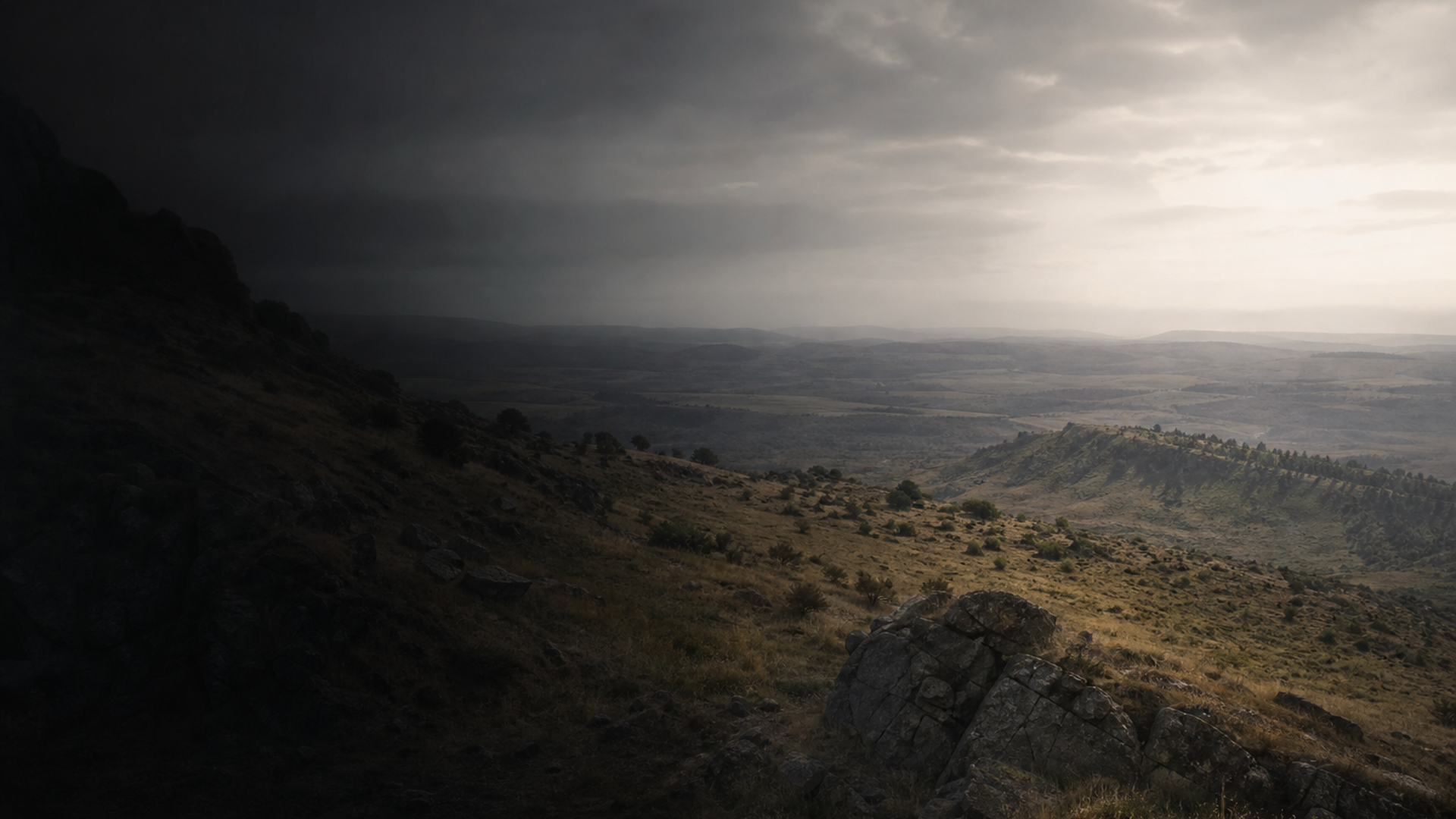

Because the sample size is relatively large for a single region, signals such as the R/I balance are more robust than small-scale studies; however, geographic sampling is limited to Bohemia and temporal resolution across the 2452–1500 BCE span varies. Future analyses that combine genome-wide data, isotope studies (mobility and diet) and stratigraphic context will refine interpretations of kinship, migration and social structure.

  • Robust sample (161) shows mixed paternal lineages: R and I
  • Maternal lineages dominated by U, with T, K and H present
Chapter VI

Legacy & Modern Connections

The Unetice people of Bohemia cast long shadows into the present: their metalworking traditions helped shape Bronze Age economies across Central Europe, and their burial forms influenced later ritual landscapes. Genetically, signals from these Early Bronze Age populations contribute to the ancestry of later Central European groups, forming part of the deep substratum of modern populations in the Czech lands and beyond.

However, continuity is complex. While maternal lineages such as mtDNA U persist in later populations, changing admixture and centuries of migration — Iron Age movements, Roman-era shifts, medieval population turnovers — mean that Unetice genetics represent one thread among many in the tapestry of modern ancestry. Archaeogenetic connections are compelling because they allow living people to see how ancient demographic events are reflected in their genomes, but they should be read with caution: past identities were not fixed, and ancestry is layered.

Archaeological stewardship of sites in Brandýs, Kolín and Prague suburbs, paired with genetic study, continues to illuminate how Bronze Age lives were lived and transmitted into later European histories.

  • Unetice metalwork and burial customs influenced broader Bronze Age Europe
  • Genetic contributions persist but are layered by later migrations
AI 电源

AI 助手

就 Unetice Bohemia: Early Bronze Age Echoes 文化提问

AI 助手 由DNAGENICS公司制作

解锁此特性
Ask questions about the Unetice Bohemia: Early Bronze Age Echoes culture. Our AI assistant can explain genetic findings, historical context, archaeological evidence, and modern connections.
AI 样本分析

Unetice Bohemia: Early Bronze Age Echoes 文化是人类历史中值得了解的一章……

遗传分析揭示了与早期种群的联系,同时显示了独特的适应和文化创新的证据。 古代DNA样本提供了对迁徙模式、社会结构以及古代种群之间的生物关系的深刻见解。

这是人工智能分析的预览。 解锁全AI 助手, 以探索关于:

  • 遗传组成和祖先
  • 移徙模式和起源
  • 日常生活和文化习俗
  • 现代遗传遗产

探索更古老的文化

揭开古代世界文明的故事

使用优惠码 可减免 35% • 11月12日 到期




