Upper Volga Lyalovo: Lakeside Lineage

下载的 PDF 是图像副本。如需可选中文本及更好的辅助技术支持,请使用打印功能。

跳转到主内容
文明焦点

Upper Volga Lyalovo: Lakeside Lineage

A glimpse of Neolithic life on the Sakhtysh shores, traced by archaeology and ancient DNA

5476 CE - 3659 BCE
Upper Volga (Ivanovo Oblast, Russia)

剧情

Archaeological and genetic evidence from four individuals (5476–3659 BCE) at the Sakhtysh cemetery cluster illuminates the Lyalovo presence in the Upper Volga. Preliminary DNA points to mixed Y and mtDNA lineages consistent with long-term forager communities and regional contacts.

Time Period

5476–3659 BCE

Region

Upper Volga (Ivanovo Oblast, Russia)

Common Y-DNA

Q, R (each observed once)

Common mtDNA

U (3), K (1)

时间线

5476 BCE

Earliest sampled Sakhtysh burial

One of the oldest dated individuals from the Sakhtysh series, anchoring Lyalovo presence in the Upper Volga.

Origins & Emergence

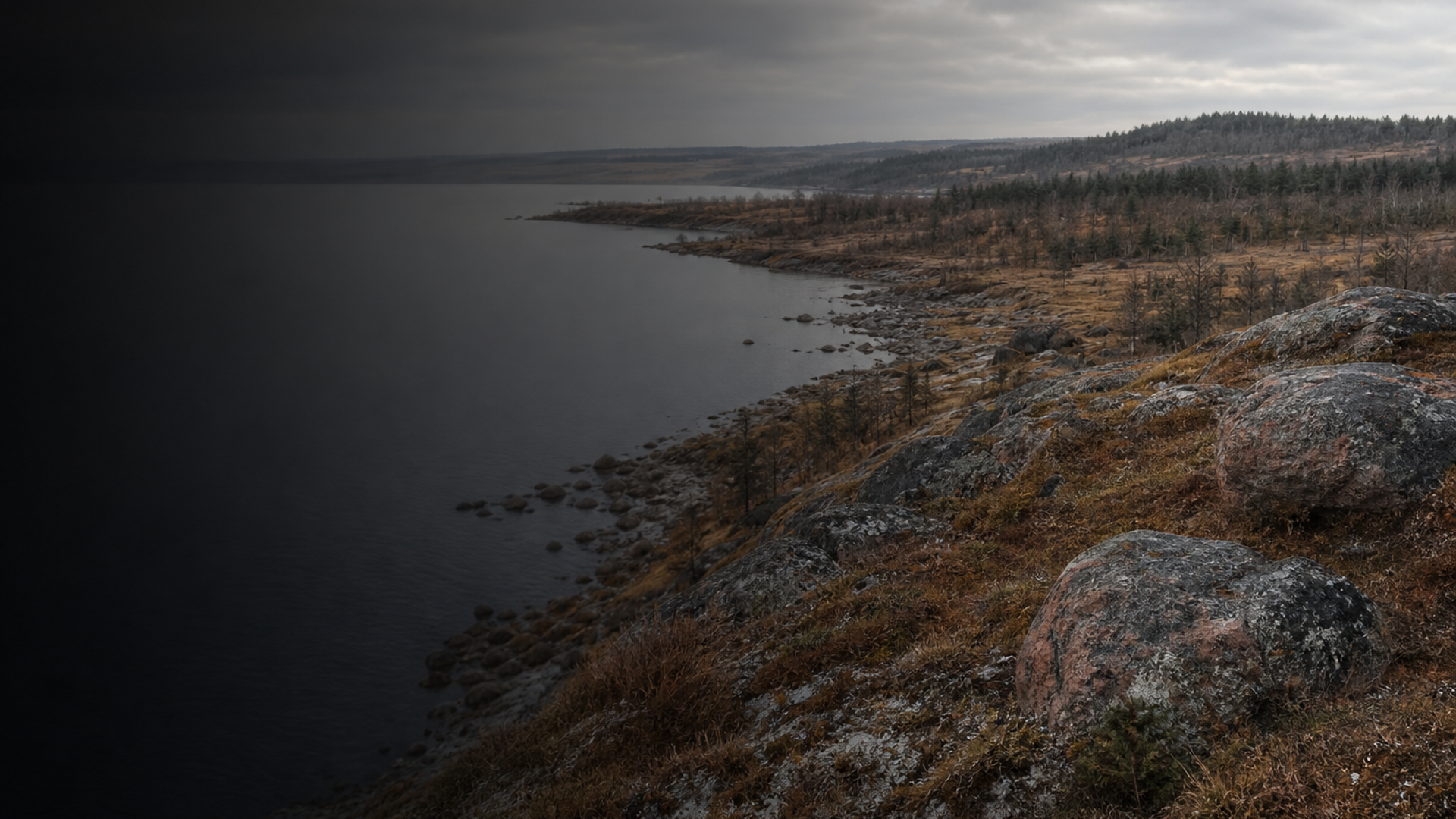
The communities represented by Russia_UpperVolga_LN_Lyalovo occupy a melancholic, water‑scored landscape of lakes, rivers and post‑glacial woodlands. Archaeological data indicates human activity along the Sakhtysh complex (Sakhtysh‑2, ‑2a, and ‑8 in Teykovsky District, Ivanovo Oblast) across a deep time span from ca. 5476 BCE to 3659 BCE. These sites are part of the broader Lyalovo cultural horizon known from the Upper Volga basin.

Material traces — burials arranged in cemetery contexts, stone and bone tools, and personal ornaments — sketch a picture of persistent lakeside occupation and ritual practice. Limited evidence suggests cultural continuity across centuries, with subtle shifts in mortuary expression that archaeologists interpret as evolving community identities rather than abrupt replacement.

Genetic sampling from four individuals at Sakhtysh offers a tentative biological dimension: a small set of genomes hint at diverse paternal and maternal lineages coexisting within this regional tradition. Because the sample count is low (<10), interpretations about population origins and movements remain provisional and should be tested with additional genomic and archaeological sampling.

  • Occupied lakeshore and riverine settings in the Upper Volga
  • Sourced from Sakhtysh cemetery complex (sites 2, 2a, 8)
  • Small genetic sample size makes origin models preliminary

Daily Life & Society

Archaeological evidence frames Lyalovo communities as intimate readers of a watery environment. Excavations at Sakhtysh reveal burial concentrations and associated grave goods, while settlement traces near lakes and rivers imply lifeways centered on fishing, hunting, and the exploitation of seasonal resources. Patterns of wear on bone and stone implements indicate specialized activities such as processing fish, working wood, and preparing hides.

Archaeological data indicates mobility along river corridors — routes that would have connected Upper Volga communities to neighbors and distant raw‑material sources. Personal ornaments and non‑local artifacts suggest networks of exchange, diplomatic or marital ties that extended beyond a single valley. Social life likely combined small kin groups, seasonal gatherings, and ritualized treatment of the dead, producing layered archaeological signatures in cemeteries like Sakhtysh.

Because direct evidence for agriculture in these particular Sakhtysh contexts is sparse, subsistence is best described as mixed forager strategies with possible plant use; further archaeobotanical and residue analyses could clarify the degree of cultivation or wild plant dependence.

  • Economy centered on fishing, hunting, and freshwater resources
  • Rivers acted as communication and exchange corridors

Genetic Profile

Four individuals from the Sakhtysh cemetery cluster yield a concise but revealing snapshot of biological ancestry. Observed paternal haplogroups include Q (1) and R (1); maternal lineages are dominated by U (3) with a single K. mtDNA U is widespread among European Mesolithic hunter‑gatherers and its prevalence here is consistent with deep local hunter‑gatherer ancestry persisting into the Neolithic era in the Upper Volga. The presence of mtDNA K, which also appears in early farming and mixed communities in Eurasia, could reflect contacts with groups carrying farmer‑associated maternal lineages or local diversity in maternal heritage.
Y‑haplogroup Q is commonly found in northern Eurasia and is sometimes associated with eastern hunter‑gatherer or Siberian affinities; R is widespread across Eurasia and can reflect multiple paternal ancestries. These observations suggest a mosaic population structure in which local forager ancestry coexisted with migrant or exchanged lineages.

Importantly, the sample count is very small (n=4). Any population‑level model derived from these genomes is preliminary. Broader conclusions about admixture proportions (EHG, WHG, Anatolian farmer, or Siberian inputs) require larger, chronologically stratified samples and formal statistical testing. Still, the genetic signals align with archaeological expectations of long‑term hunter‑gatherer presence with episodic external contacts.

  • mtDNA dominated by U (3) with one K — consistent with hunter‑gatherer maternal ancestry
  • Y haplogroups Q and R suggest mixed local and broader northern Eurasian paternal links

Legacy & Modern Connections

The Sakhtysh Lyalovo assemblage leaves a quiet legacy: multilayered funerary landscapes and genomes that register centuries of lakeside life. Archaeological continuity in the Upper Volga suggests cultural traditions that helped shape later regional identities. Genetically, the combination of common hunter‑gatherer maternal lineages (U) with diverse paternal markers implies that descendants in the region carry only parts of this deep past — overprinted by later migrations and demographic changes.

Connecting ancient genomes to modern populations is tantalizing but complex. Any claim that modern groups directly descend from these four individuals would be premature. Instead, the Sakhtysh data adds a critical waypoint in a long sequence of human movements, exchanges, and cultural persistence in north‑eastern Europe. Future sampling and integrated archaeological work will better resolve how these lakeside communities contributed to the genetic tapestry of the region.

  • Contributes to understanding long‑term cultural continuity in the Upper Volga
  • Genetic links to modern populations are possible but require broader datasets

AI 助手

AI 助手 由DNAGENICS公司制作

解锁此特性
Ask questions about the Upper Volga Lyalovo: Lakeside Lineage culture. Our AI assistant can explain genetic findings, historical context, archaeological evidence, and modern connections.
AI 样本分析

Upper Volga Lyalovo: Lakeside Lineage 文化是人类历史中值得了解的一章……

遗传分析揭示了与早期种群的联系,同时显示了独特的适应和文化创新的证据。 古代DNA样本提供了对迁徙模式、社会结构以及古代种群之间的生物关系的深刻见解。

这是人工智能分析的预览。 解锁全AI 助手, 以探索关于:

  • 遗传组成和祖先
  • 移徙模式和起源
  • 日常生活和文化习俗
  • 现代遗传遗产
使用优惠码 可减免 30% • 11月14日 到期




