Vasterhus Voices: Northern Sweden, 11th–13th c.

下载的 PDF 是图像副本。如需可选中文本及更好的辅助技术支持,请使用打印功能。

Vasterhus Voices: Northern Sweden, 11th–13th c.

揭开一个失落的文明

正在加载考古记录……

正在收集古代记录

跳转到主内容
Vasterhus Voices: Northern Sweden, 11th–13th c.
文明焦点

Vasterhus Voices: Northern Sweden, 11th–13th c.

Six medieval individuals from Vasterhus reveal a local northern Scandinavian tapestry of ancestry and life.

1016 CE - 1262 CE
Vasterhus, Jämtlands län (Östersund), Sweden
滚动开始
Chapter I

剧情

了解 Vasterhus Voices: Northern Sweden, 11th–13th c. 文化

Archaeogenetic and archaeological data from Vasterhus (Jämtlands län, Östersund) dated 1016–1262 CE connect local medieval lifeways to broader northern European lineages. Small sample sizes make conclusions provisional, but patterns echo regional continuity of R and I Y-DNA and diverse maternal haplogroups.

Time Period

1016–1262 CE

Region

Vasterhus, Jämtlands län (Östersund), Sweden

Common Y-DNA

R (3), I (1)

Common mtDNA

U (2), H (2), I2 (1), V (1)

Chapter II

时间线

这种文化历史上的关键时刻

1016 CE

Earliest dated individual from Vasterhus

The oldest sampled individual from the Vasterhus series dates to 1016 CE, linking the site to the late Viking/early medieval period.

1100 CE

Consolidation of parishes in northern Sweden (approx.)

Archaeological indicators show increasing parish structures and Christian burial practices across the region in the 11th–12th centuries.

1262 CE

Latest dated individual from Vasterhus

The most recent sampled individual is dated to 1262 CE, spanning two centuries of medieval northern Swedish life.

Chapter III

Origins & Emergence

The Vasterhus individuals belong to a northern Swedish medieval landscape shaped by the end of the Viking Age and the consolidation of medieval parishes. Archaeological data indicates occupation around Östersund and Jämtland during the 11th–13th centuries, a time of shifting political ties across Scandinavia. The six sampled individuals (1016–1262 CE) were recovered from contexts near Vasterhus; preservation and context vary, and full archaeological publication is limited.

Genetically, the male lineages show a predominance of haplogroup R with a smaller presence of I, echoing broader northern European distributions. Maternal lineages include U and H, widespread in Europe, along with less common I2 and V. These signals suggest continuity with earlier Scandinavian populations while allowing for local diversity. Limited evidence suggests some admixture or mobility within the region, but small sample counts prevent firm claims about migration rates or social origins.

In cinematic terms: these remains are like weathered pages of a frontier parish register — stitched into a landscape of lakes and forests, where local families persisted while long-distance contacts continued to leave genetic traces. Archaeology provides the setting; ancient DNA gives voice to ancestry, but that voice is faint and must be read with caution.

  • Samples dated 1016–1262 CE from Vasterhus, Jämtlands län (Östersund)
  • Archaeological context consistent with medieval settlement activity in northern Sweden
  • Preliminary genetic signals indicate regional continuity with northern European lineages
Chapter IV

Daily Life & Society

Material culture across northern Sweden in the 11th–13th centuries reflects small-scale farming, seasonal resource use, and parish organization. Archaeological remains in the Jämtland region point to mixed subsistence strategies — cereal cultivation where soils allowed, supplemented by fishing, hunting, and animal husbandry. Timber architecture and isolated farmsteads were characteristic of the inland landscape.

Burials and church-associated features from this era often mark the spread of Christian practices; archaeological traces may include simple inhumations, churchyards, and grave goods that decline over time. For Vasterhus specifically, contextual details for these six individuals are limited, so reconstructions of social status or occupation remain tentative. Skeletal evidence can sometimes indicate diet, workload, and health, but without broad comparative data such signals risk overinterpretation.

Evocatively, imagine hearth smoke rising over networks of ponds and birch forest, with parish life punctuated by seasonal fairs and long-distance ties. Genetic snapshots from Vasterhus hint that these communities were not isolated: networks of kinship and mobility likely connected them to wider Scandinavian routes, though the scale of movement is unclear.

Archaeological data indicates a resilient, local society adapting to northern conditions; ancient DNA provides an additional strand for tracing family ties and movements within that landscape.

  • Subsistence: mixed farming, fishing, hunting, and animal rearing
  • Christianization and parish formation shaping burial practices and social life
Chapter V

Genetic Profile

The genetic dataset from Vasterhus comprises six individuals — a small sample that requires cautious interpretation. Observed Y-DNA haplogroups include R in three males and I in one male (other male(s) unresolved or not reported). Maternal haplogroups include U (2), H (2), I2 (1), and V (1). These patterns broadly align with known northern European signatures: haplogroup R (often R1a/R1b in broader datasets) and I lineages are common in Scandinavia, while mtDNA H and U are widespread across Europe, and V and I2 occur at lower frequencies.

Because sample count is below typical thresholds for population-level inference (<10), conclusions about population structure, migration, or sex-biased mobility must remain tentative. Limited evidence suggests regional continuity: the prevalence of R and I haplogroups fits expectations for medieval Scandinavia rather than indicating a recent large-scale genetic turnover. The diversity of maternal lineages among six individuals hints at a mix of local matrilines and perhaps incoming maternal ancestry, but it is impossible to separate local kinship from wider exchange with small numbers.

Where genetic data complements archaeology, it strengthens hypotheses about continuity and connection: shared haplogroups with contemporary Scandinavian and earlier Viking-age individuals support long-term regional ancestry. However, a cinematic caution is necessary — these six genomes are single lanterns in a foggy night; they illuminate possibilities without mapping the whole landscape.

  • Y-DNA dominated by R (3/6) with presence of I (1/6); others unresolved
  • mtDNA shows a mix: U (2), H (2), I2 (1), V (1); sample size makes results provisional
Chapter VI

Legacy & Modern Connections

The Vasterhus DNA snapshots connect medieval northern Sweden to the deep genetic threads of Scandinavia. Modern populations in Jämtland and surrounding regions often carry the same broad haplogroup profiles — a continuity that archaeological and genetic data jointly support. Yet the small sample means we must avoid overstating continuity; local demographic changes, later migrations, and genetic drift all shape modern patterns.

For ancestry seekers, these remains provide a tangible link to medieval lifeways: male lineages dominated by R and I parallel many contemporary Scandinavian paternal lines, while diverse maternal haplogroups reflect the complex tapestry of family histories. The archaeological record grounds these genetic signals in place — the forested lakeshores and parish communities of Vasterhus — but further sampling is essential to clarify how representative these six individuals were of their broader society.

In short: the legacy is one of plausible continuity punctuated by uncertainty. The Vasterhus samples illuminate the past like fragments of a mirror — reflecting regional identity but not yet showing the whole face.
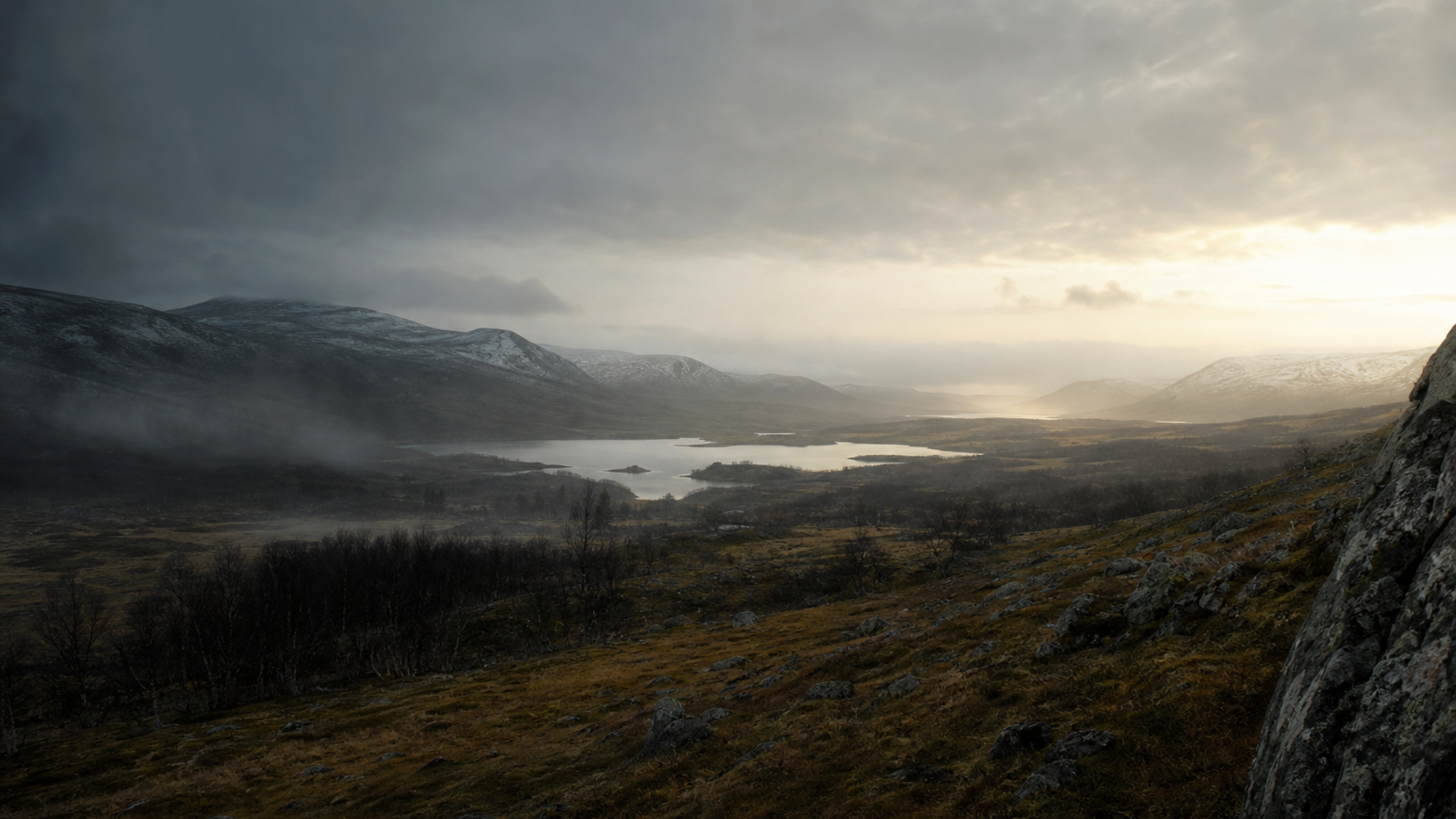
  • Genetic patterns are broadly consistent with modern Scandinavian ancestry but remain provisional
  • Further sampling needed to map how representative Vasterhus individuals were of medieval Jämtland
AI 电源

AI 助手

就 Vasterhus Voices: Northern Sweden, 11th–13th c. 文化提问

AI 助手 由DNAGENICS公司制作

解锁此特性
Ask questions about the Vasterhus Voices: Northern Sweden, 11th–13th c. culture. Our AI assistant can explain genetic findings, historical context, archaeological evidence, and modern connections.
AI 样本分析

Vasterhus Voices: Northern Sweden, 11th–13th c. 文化是人类历史中值得了解的一章……

遗传分析揭示了与早期种群的联系,同时显示了独特的适应和文化创新的证据。 古代DNA样本提供了对迁徙模式、社会结构以及古代种群之间的生物关系的深刻见解。

这是人工智能分析的预览。 解锁全AI 助手, 以探索关于:

  • 遗传组成和祖先
  • 移徙模式和起源
  • 日常生活和文化习俗
  • 现代遗传遗产

探索更古老的文化

揭开古代世界文明的故事

使用优惠码 可减免 35% • 11月12日 到期




