Vekerzug at Komárno: Iron Age Echoes

下载的 PDF 是图像副本。如需可选中文本及更好的辅助技术支持,请使用打印功能。

跳转到主内容
文明焦点

Vekerzug at Komárno: Iron Age Echoes

An archaeological and genetic portrait of Vekerzug communities in Komárno and Chotín, Slovakia

783 CE - 423 BCE
Komárno & Chotín, Slovakia (Central Europe)

剧情

Archaeological finds from Komárno and Chotín (783–423 BCE) illuminate the Vekerzug horizon in Slovakia. Twenty samples provide a moderate genetic snapshot dominated by maternal lineages K, J, U, W and H. Archaeology and DNA together sketch mobility, kinship, and local continuity.

Time Period

783–423 BCE (Iron Age)

Region

Komárno & Chotín, Slovakia (Central Europe)

Common Y-DNA

Not reported / limited data

Common mtDNA

K (4), J (3), U (3), W+ (2), H (1)

时间线

783 BCE

Earliest Dated Samples

Earliest radiocarbon-calibrated samples from Komárno and Chotín mark the start of the sampled Vekerzug range (783 BCE).

Origins & Emergence

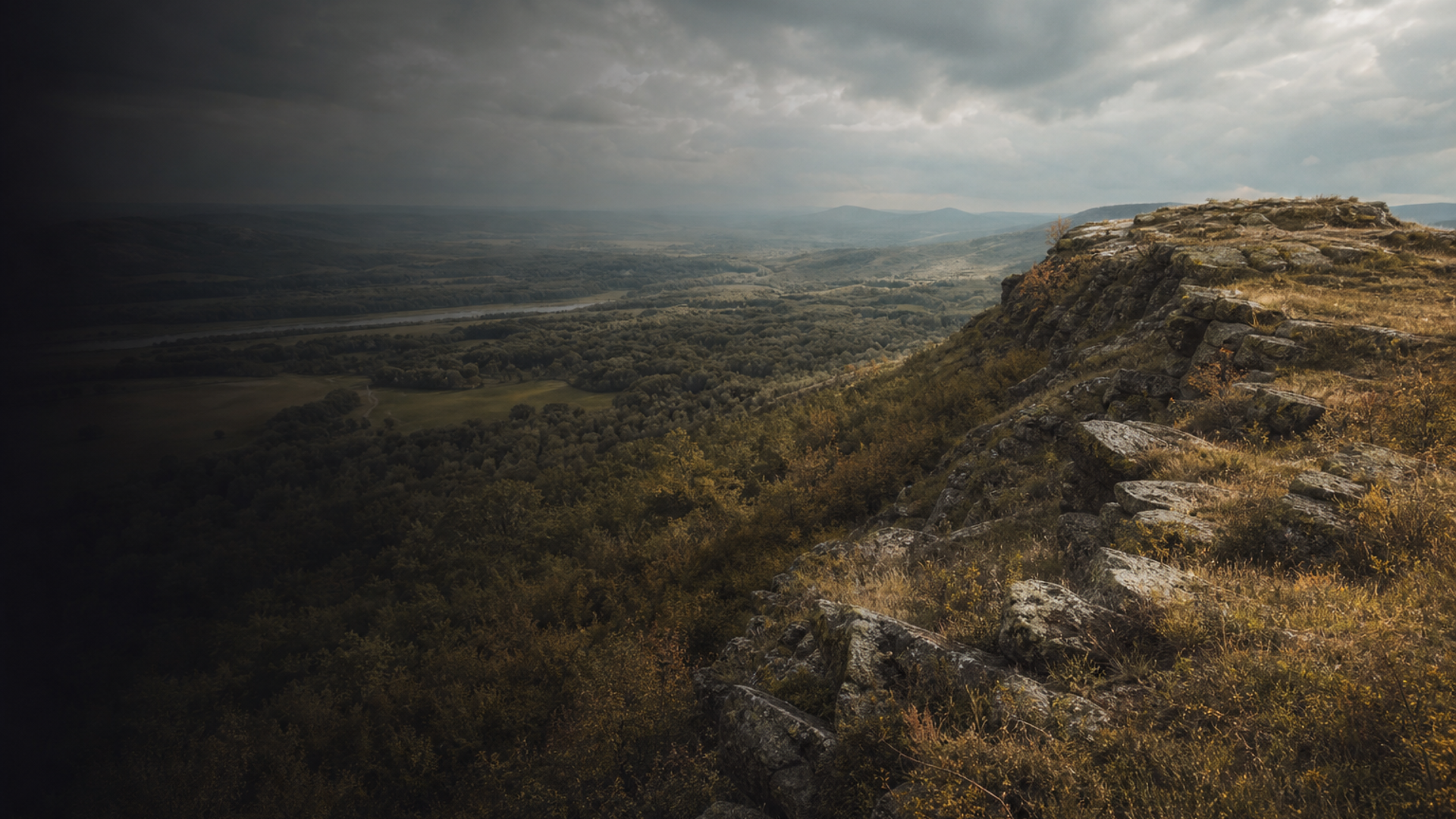
The Vekerzug horizon in southwestern Slovakia unfolds in a landscape of river terraces and loess slopes. Archaeological data from Komárno and Chotín (sites dated between 783 and 423 BCE) show settled farmsteads, burials, and material culture that mark a regional Iron Age expression. Pottery styles and funerary practices connect the Vekerzug assemblage to larger Central European networks, yet local variants indicate a distinct community identity.

Excavations at Chotín IA uncovered graves with grave goods suggesting both local continuity from Late Bronze Age traditions and new influences arriving along Danubian routes. Limited evidence suggests seasonal mobility and exchange with neighboring hillfort and riverine communities. The chronology (mid-late first millennium BCE) places Vekerzug communities alongside Hallstatt-associated dynamics in the broader region, though the precise cultural interactions remain actively researched.

Archaeologists read the landscape like a palimpsest: field systems, embanked enclosures, and burial clusters reveal social organization. Where material connections extend outward, isotopic and ancient DNA analyses offer independent lines of evidence for movement and kinship. Together, archaeology and genetic data begin to illuminate the emergence of Vekerzug society as both rooted and connected to wider Iron Age transformations.

  • Sites: Komárno and Chotín IA, Slovakia (783–423 BCE)
  • Material culture shows both local continuity and wider Central European connections
  • Landscape evidence suggests mixed sedentism with episodes of mobility

Daily Life & Society

Life in Vekerzug communities likely played out in a rhythm of fields, craft, and seasonal exchange. Archaeological recovery of pottery, loom weights, metalwork fragments, and animal bone suggests mixed farming (cereals and livestock), textile production, and local metalworking. Domestic spaces seem organized around long-term habitation areas with adjacent activity zones for craft and food processing.

Burials at Komárno and Chotín provide intimate windows into social identity: the placement of individuals, presence or absence of goods, and the occasional imported object all mark differential roles and connections. Children and adults buried together in small clusters hint at kin-based household units. While elite forms common to narrative-rich Iron Age centers are less pronounced here, the material record evokes a community where status was negotiated through networks of marriage, craft, and exchange along the Danube corridor.

Archaeological evidence indicates pragmatic adaptation to riverine floodplains and fertile soils, with local knowledge of seasonal cycles shaping diet and settlement layout. The human scale—houses, hearths, graves—combines with traces of long-distance interaction to create a lived world both intimate and outward-looking.

  • Economy: mixed farming, animal husbandry, and craft production
  • Social structure inferred from clustered burials and variable grave goods

Genetic Profile

Twenty ancient individuals from Komárno and Chotín provide a moderate-sized genetic sample for the Vekerzug horizon. Mitochondrial DNA is the clearer signal in this dataset: haplogroups K (4 individuals), J (3), U (3), W+ (2), and H (1) appear across the assemblage. These maternal lineages are common in Bronze and Iron Age Europe and often indicate population continuity with earlier European groups as well as connections to broader continental networks.

Y-DNA haplogroups are not reported in the supplied dataset, so paternal-line patterns remain unresolved for now. Without a robust Y-chromosome signal, inferences about male-mediated migrations or lineage continuity must remain tentative. Nevertheless, the mtDNA distribution suggests a mixture of locally persistent maternal lines and lineages shared across Central Europe.

Genetic data should be read alongside isotopic and archaeological context: shared mtDNA types across graves could reflect kinship ties within burial clusters, while diversity in maternal lineages may point to exogamous marriage practices or mobility along trade routes. With 20 samples, conclusions are provisional but meaningful—providing a foundation for testing hypotheses about kinship, marriage networks, and population continuity in the Vekerzug communities.

  • mtDNA diversity dominated by K, J, U, W, H — consistent with Central European Iron Age profiles
  • Y-DNA data not reported here; paternal patterns remain uncertain

Legacy & Modern Connections

The archaeological and genetic traces of Vekerzug communities echo into the modern cultural landscape of Slovakia. mtDNA lineages observed at Komárno and Chotín are part of a long tapestry of maternal ancestries that persist in Europe, reflecting deep-time continuity as well as episodes of movement across the continent. While direct ancestry lines from ancient individuals to specific modern populations cannot be asserted without broader comparative sampling, these data contribute to a nuanced picture of population dynamics during the Iron Age.

For researchers and the public, the Vekerzug finds illustrate how combining artifacts, landscape study, and ancient DNA transforms fragments of the past into human stories of kinship, mobility, and adaptation. Future sampling — especially of paternal Y-chromosomes and wider regional sites — will sharpen connections between ancient communities and the genetic map of contemporary Central Europe.

  • mtDNA lineages align with long-term Central European maternal ancestry
  • Further Y-DNA and regional sampling needed to clarify direct links to modern populations

AI 助手

AI 助手 由DNAGENICS公司制作

解锁此特性
Ask questions about the Vekerzug at Komárno: Iron Age Echoes culture. Our AI assistant can explain genetic findings, historical context, archaeological evidence, and modern connections.
AI 样本分析

Vekerzug at Komárno: Iron Age Echoes 文化是人类历史中值得了解的一章……

遗传分析揭示了与早期种群的联系,同时显示了独特的适应和文化创新的证据。 古代DNA样本提供了对迁徙模式、社会结构以及古代种群之间的生物关系的深刻见解。

这是人工智能分析的预览。 解锁全AI 助手, 以探索关于:

  • 遗传组成和祖先
  • 移徙模式和起源
  • 日常生活和文化习俗
  • 现代遗传遗产
使用优惠码 可减免 30% • 11月14日 到期