Visigothic Granada: Frontier Lives

下载的 PDF 是图像副本。如需可选中文本及更好的辅助技术支持,请使用打印功能。

Visigothic Granada: Frontier Lives

揭开一个失落的文明

正在加载考古记录……

正在收集古代记录

跳转到主内容
Visigothic Granada: Frontier Lives
文明焦点

Visigothic Granada: Frontier Lives

Burials and ancient DNA from Granada paint a picture of migration, local continuity, and Mediterranean exchange.

400 CE - 876 CE
Granada, southern Iberia (Spain)
滚动开始
Chapter I

剧情

了解 Visigothic Granada: Frontier Lives 文化

Archaeogenetic and archaeological evidence from 11 Visigothic-era individuals (400–876 CE) excavated at El Castillón, Montefrío and Ventas de Zafarraya (Granada) reveals a mixed genetic profile reflecting European, Mediterranean, and possible North African influences alongside local Iberian continuity.

Time Period

400–876 CE

Region

Granada, southern Iberia (Spain)

Common Y-DNA

R (3), E (2), I (1), J (1)

Common mtDNA

H, HV, U (H5b, H3 noted)

Chapter II

时间线

这种文化历史上的关键时刻

400 CE

Early Visigothic presence in Iberia

Visigothic groups establish polities in parts of Iberia; archaeological horizons associated with early medieval occupation begin to appear in the south.

507 CE

Consolidation of Visigothic power

Visigothic political structures consolidate across much of the peninsula, shaping social and landholding patterns seen archaeologically.

711 CE

Umayyad conquest of Iberia begins

Rapid military and political changes start in 711 CE, initiating new demographic and cultural dynamics in southern Iberia.

876 CE

End of sample date range

The latest dated individuals in this Granada series fall around this year, marking the temporal bounds of the dataset.

Chapter III

Origins & Emergence

In the centuries after Rome’s political withdrawal, the Iberian Peninsula became a stage of cultural layering. The Visigothic presence in Granada — attested archaeologically at sites such as El Castillón (Montefrío) and Ventas de Zafarraya — reflects this palimpsest: Germanic-speaking elites, Romanized urban traditions, and resilient local rural populations. Archaeological data indicates funerary practices and settlement patterns consistent with early medieval Visigothic occupation in southern Iberia between the 5th and 9th centuries CE.

Genetic evidence from 11 individuals dated 400–876 CE shows a mosaic rather than a single origin story. The combination of typically western European Y-lineages (haplogroup R), Mediterranean-associated lineages (E and J), and local European types (I), together with largely European maternal haplogroups (H, HV, U), points to admixture between incoming groups and established Iberian communities. Limited evidence suggests that Visigothic influence in Granada was as much a cultural and political phenomenon as a demographic one: a small number of migrants may have integrated with larger local populations, producing the blended signals seen in these samples.

Uncertainties remain: the sample set is geographically focused on a few sites and modest in size, preservation varies, and subclade resolution is limited. Archaeology and DNA together provide a cinematic but cautious narrative of emergence — migration, local continuity, and Mediterranean connections stitched together across centuries.

  • Visigothic-era burials at El Castillón and Ventas de Zafarraya reflect regional occupation (400–876 CE).
  • Archaeology suggests a mix of Germanic elite practices and long-standing Iberian traditions.
  • DNA indicates admixture: European, Mediterranean, and possibly North African-linked components.
Chapter IV

Daily Life & Society

Daily life in Visigothic Granada unfolded in villages perched on ancient terraces, in re-used Roman towns, and in rural hamlets where agriculture dominated. Archaeological excavations reveal house foundations, storage pits, and cemeteries that speak to farming, craft, and local trade networks. Material culture — ceramics, metalwork fragments, and personal ornaments — indicates continuity with late Roman forms alongside new tastes associated with early medieval elites.

Society was layered. Local peasant households practised mixed cereal and olive cultivation, shepherding, and small-scale craft production, while a mobile elite managed land, military obligations, and connections across Iberia. Cemeteries often show simple inhumations; where grave goods occur they can reflect rank or long-distance exchange. In Granada’s uplands and valleys, archaeological data points to communities adapting to shifting political horizons: the Visigothic realm, episodes of conflict, and finally the rapid changes that followed the early 8th century.

These patterns are reinforced, but not fully resolved, by genetics: community composition likely included descendants of longstanding Iberian families, newcomers of various backgrounds, and individuals whose life histories were tied to trade and mobility. As with many early medieval contexts, the material record and DNA together reveal everyday resilience amid political change.

  • Rural agriculture and reused Roman infrastructure shaped local economies.
  • Cemeteries and artifacts indicate both continuity and selective adoption of Visigothic elite practices.
Chapter V

Genetic Profile

The genetic snapshot from 11 individuals (400–876 CE) in Granada produces a nuanced portrait. On the paternal side, haplogroup R appears most frequently (3/11), reflecting lineages common in western Europe and often associated with post-Neolithic populations. Haplogroup E (2/11) is present at notable frequency; while some E subclades are associated with North African or Mediterranean origins, the present data do not allow confident assignment to specific sub-lineages. Single instances of I and J signal contributions tied to long-standing European and Near Eastern/Mediterranean gene pools respectively. Several samples show low coverage or unresolved paternal calls, so these counts are preliminary.

Maternally, the assemblage is dominated by broadly European mtDNA lineages: H (including H3, H5b), HV, and U. These maternal types are widespread across western Eurasia and are consistent with continuity of local Iberian maternal ancestry during the Visigothic period. Together, the Y and mtDNA patterns suggest sex-biased or uneven admixture events are plausible — for example, a minority of male-mediated migration layered onto a largely local maternal substrate — though autosomal data would be required to test that model robustly.

Caveats: sample size is modest and geographically concentrated; subclade resolution and autosomal coverage are limited in some individuals. Therefore conclusions about population processes are provisional. Nevertheless, the combined archaeological and genetic data favor a scenario of regional continuity punctuated by admixture from Mediterranean and trans-Iberian sources rather than wholesale population replacement.

  • Y-DNA mix (R, E, I, J) indicates western European plus Mediterranean/North African-linked lineages.
  • mtDNA dominated by H, HV, U, consistent with local Iberian maternal continuity.
Chapter VI

Legacy & Modern Connections

The legacy of Visigothic Granada is less a simple genetic signature and more an imprint of layered histories. Genetic traces visible in these samples may persist in the regional gene pool, but later events — the 8th-century Umayyad conquest, centuries of Islamic rule, and medieval migrations — substantially reshaped Andalusian ancestry. Archaeological continuity in settlement and material culture suggests cultural resilience even as genetic inputs changed over time.
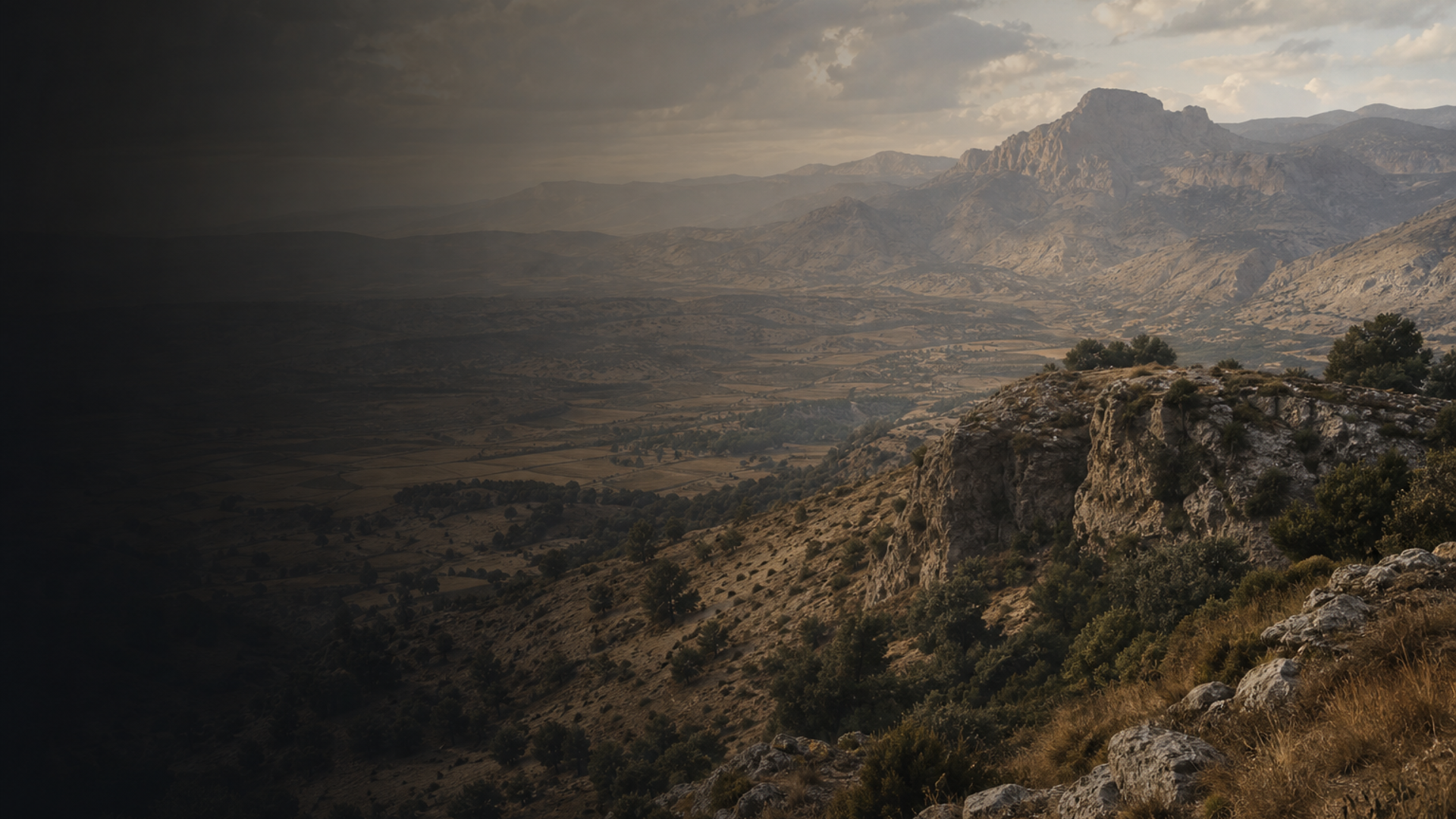
For modern populations, these ancient individuals offer a window into a particular moment: a frontier of the early medieval Mediterranean where mobility, trade, and local endurance intersected. They remind us that cultural labels like "Visigothic" describe political and material horizons that do not map neatly onto single genetic identities. As more samples from wider geographic and temporal ranges are analyzed, the preliminary patterns seen here can be tested and refined, clarifying how short-term migrations combined with deep local roots to make the mosaic of Iberian ancestry today.

  • Ancient DNA reveals regional admixture but does not equate a people with a single genetic profile.
  • Later historical events in Andalusia diluted and reworked Visigothic-period genetic signals.
AI 电源

AI 助手

就 Visigothic Granada: Frontier Lives 文化提问

AI 助手 由DNAGENICS公司制作

解锁此特性
Ask questions about the Visigothic Granada: Frontier Lives culture. Our AI assistant can explain genetic findings, historical context, archaeological evidence, and modern connections.
AI 样本分析

Visigothic Granada: Frontier Lives 文化是人类历史中值得了解的一章……

遗传分析揭示了与早期种群的联系,同时显示了独特的适应和文化创新的证据。 古代DNA样本提供了对迁徙模式、社会结构以及古代种群之间的生物关系的深刻见解。

这是人工智能分析的预览。 解锁全AI 助手, 以探索关于:

  • 遗传组成和祖先
  • 移徙模式和起源
  • 日常生活和文化习俗
  • 现代遗传遗产

探索更古老的文化

揭开古代世界文明的故事

使用优惠码 可减免 35% • 11月12日 到期




