Voices of Early Iceland

下载的 PDF 是图像副本。如需可选中文本及更好的辅助技术支持,请使用打印功能。

Voices of Early Iceland

揭开一个失落的文明

正在加载考古记录……

正在收集古代记录

跳转到主内容
Voices of Early Iceland
文明焦点

Voices of Early Iceland

Archaeology and DNA from Viking Age Icelandic sites (900–1300 CE)

900 CE - 1300 CE
Iceland (Ingiridarstadir, Hofstadir, Hringsdalur)
滚动开始
Chapter I

剧情

了解 Voices of Early Iceland 文化

Seventeen skeletal genomes from Ingiridarstadir, Hofstadir and Hringsdalur illuminate Viking Age Icelandic life. Archaeological context and DNA reveal Norse male lineages and diverse maternal ancestries, suggesting migration, local adaptation, and contacts across the North Atlantic.

Time Period

900–1300 CE

Region

Iceland (Ingiridarstadir, Hofstadir, Hringsdalur)

Common Y-DNA

R (7), I (2)

Common mtDNA

H (9), U (2), J (2), T (2), I (1)

Chapter II

时间线

这种文化历史上的关键时刻

874 CE

Traditional beginning of settlement

Traditional accounts place the start of Norse settlement around 874 CE; archaeological and genetic evidence point to 9th–10th century colonization phases across Iceland.

Chapter III

Origins & Emergence

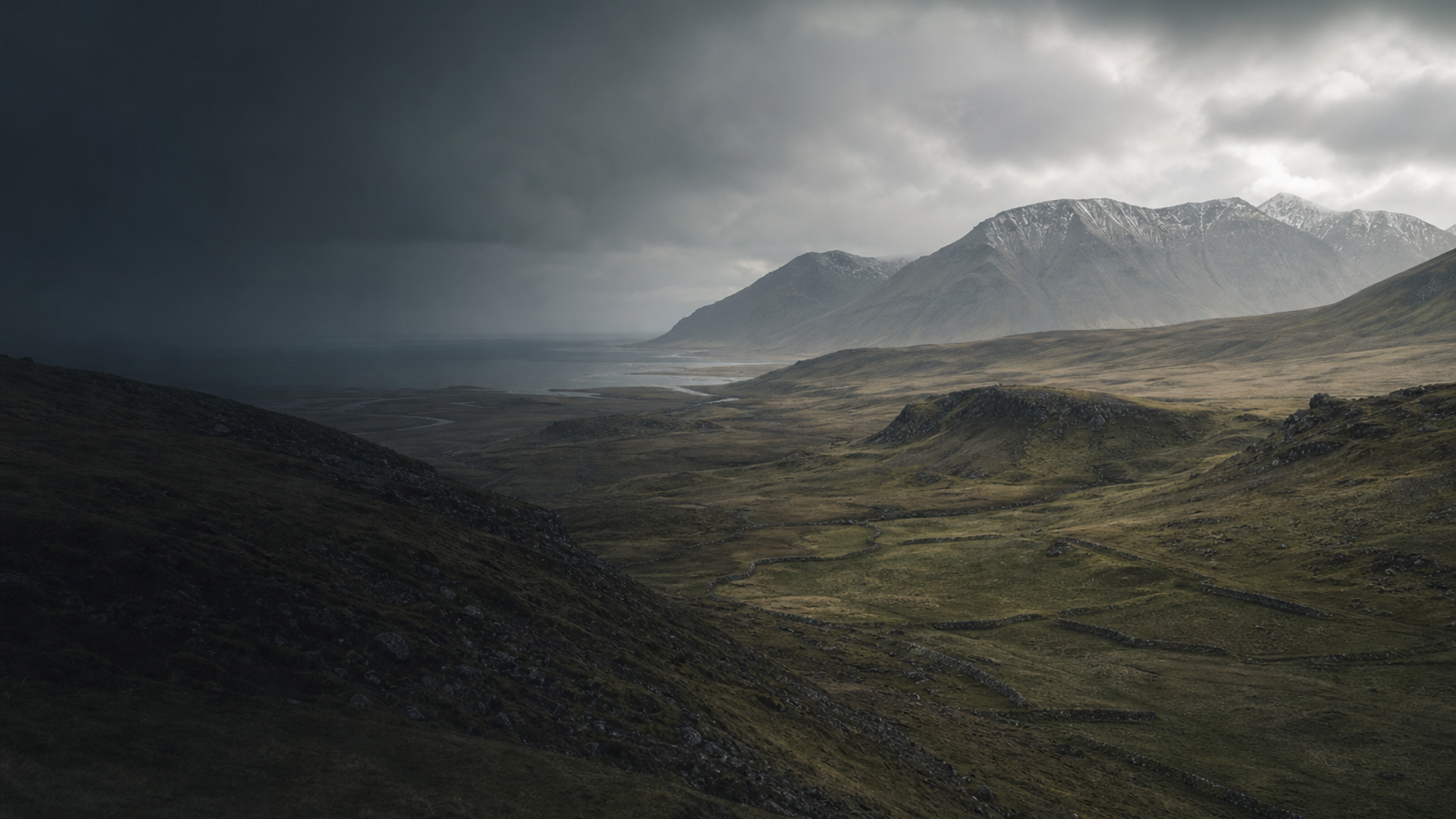
The settlement of Iceland reads like a frontier epic: empty grass and lava fields soon dotted with turf longhouses, cultivated patches, and animal enclosures. Archaeological excavations at Hofstadir (northeast Iceland) reveal large feasting halls and heavy timber post-holes dated by dendrochronology and radiocarbon to the 10th–11th centuries CE, while Ingiridarstadir and Hringsdalur preserve farm complexes and midden deposits that record everyday subsistence. The human remains sampled here (17 individuals, dated ca. 900–1300 CE) come from contexts associated with domestic and funerary activity, offering direct links between house, hearth, and bone.

Cultural emergence in Iceland was rapid and regionally varied. Material culture—boat rivets, imported whetstones, and Norse-style combs—betrays roots in Scandinavia, while certain artifact types and isotopic signals imply sustained contact with the British Isles and the North Atlantic archipelagos. Limited evidence suggests that initial colonization involved small kin groups and networks rather than mass migration. Archaeological data indicate seasonal resource use, animal husbandry adapted to subarctic conditions, and social practices centered on hall-based assembly. Given the modest sample size and uneven preservation, these site assemblages provide snapshots rather than complete narratives; they are best read as complementary strings of evidence that, together with genetic data, illuminate the dual processes of migration and local adaptation.

  • Early farms and halls at Hofstadir date to the 10th–11th centuries CE
  • Ingiridarstadir and Hringsdalur preserve domestic middens and burials
  • Material culture links settlers to Scandinavia and North Atlantic networks
Chapter IV

Daily Life & Society

Daily life in Viking Age Iceland was governed by climate, craft, and community. The archaeological record—feasting debris, animal bone assemblages, and toolkits—paints a picture of mixed husbandry (sheep, cattle, and some horses), marine exploitation, and small-scale cereal processing. Hearths and floor layers from Hofstadir show repeated communal events, likely seasonal gatherings where surplus animals were processed and social ties reinforced. Turf longhouses, often rebuilt over generations, anchored family units and produced refuse deposits that preserve fish bone, charred grain, and worked bone objects.

Society combined household autonomy with regional institutions. The emergence of the Alþingi in 930 CE (historical sources) reflects a political landscape where local chieftains and free farmers negotiated law and dispute resolution. Burial practices at the sampled sites vary from inhumation with grave goods to disturbed and secondary deposits, suggesting a range of ritual behaviors and taphonomic processes. Craft specializations—ironworking slag, bone combs, textile tools—attest to skilled domestic economies. Mobility remained important: imported items and isotopic variation in some individuals imply travel or exchange across the North Atlantic. Archaeological patterns thus show a resilient, adaptive population forging social networks across a challenging island environment.

  • Mixed livestock and marine resources structured diets and economy
  • Hofstadir feasting contexts point to communal seasonal events
Chapter V

Genetic Profile

The genetic evidence from 17 individuals dated to 900–1300 CE offers a layered view of ancestry in Viking Age Iceland. Y-DNA haplogroups in this sample are dominated by R (7 individuals) with a minority of I (2), consistent with a predominance of male lineages that trace broadly to Northern Europe. Mitochondrial diversity is notable: H (9), U (2), J (2), T (2), and I (1) appear among the 17 samples, reflecting a mixture of typically West Eurasian maternal lineages.

These patterns align with a model of sex-biased migration: archaeological and comparative genetic studies suggest Norse men were prominent among early settlers, while maternal lineages show greater diversity that can include contributions from the British Isles and continental Europe. However, with 17 samples across three sites and a 400-year span, conclusions must remain cautious. Limited sample size and potential site-specific biases mean this dataset provides suggestive, not definitive, demographic reconstructions. Population structure may also shift over time with later medieval movements and local drift. Nevertheless, the combination of dominant R-type Y-lineages and a broad array of mtDNA haplogroups supports scenarios of Norse-led settlement with incorporation of diverse maternal ancestries, reflecting both planned colonization and the complex human networks of the North Atlantic.

  • Male lineages dominated by haplogroup R (7) with some I (2)
  • Mitochondrial diversity (H, U, J, T, I) indicates mixed maternal origins
Chapter VI

Legacy & Modern Connections

The biological and material heritage of Viking Age Iceland continues to echo in modern populations and landscapes. Many modern Icelanders carry lineages that reflect the island's founding mix; the prominence of haplogroup H among ancient samples mirrors H's prevalence in contemporary European mtDNA pools. Archaeogenetic links between the sampled sites and wider North Atlantic ancestries reinforce historical narratives of Scandinavian colonists interacting with Gaelic and insular communities.

Archaeological remains—ruined longhouses, field systems, and farm boundaries—remain visible in the Icelandic terrain and inform cultural memory. While these 17 genomes are informative, they are not exhaustive. Continued sampling, especially targeted toward underrepresented regions and women, will sharpen our understanding of migration, kinship, and continuity. For now, the picture is one of a resilient island society formed at the crossroads of Norse voyaging and North Atlantic exchange, a heritage that still shapes Iceland's genetic and cultural landscape.

  • Modern Icelandic ancestry reflects mixed Norse and insular inputs
  • Archaeological landscapes preserve the social imprint of early settlers
AI 电源

AI 助手

就 Voices of Early Iceland 文化提问

AI 助手 由DNAGENICS公司制作

解锁此特性
Ask questions about the Voices of Early Iceland culture. Our AI assistant can explain genetic findings, historical context, archaeological evidence, and modern connections.
AI 样本分析

Voices of Early Iceland 文化是人类历史中值得了解的一章……

遗传分析揭示了与早期种群的联系,同时显示了独特的适应和文化创新的证据。 古代DNA样本提供了对迁徙模式、社会结构以及古代种群之间的生物关系的深刻见解。

这是人工智能分析的预览。 解锁全AI 助手, 以探索关于:

  • 遗传组成和祖先
  • 移徙模式和起源
  • 日常生活和文化习俗
  • 现代遗传遗产

探索更古老的文化

揭开古代世界文明的故事

使用优惠码 可减免 35% • 11月12日 到期




