Voices of Zira: Remains from Islamic Granada

下载的 PDF 是图像副本。如需可选中文本及更好的辅助技术支持,请使用打印功能。

Voices of Zira: Remains from Islamic Granada

揭开一个失落的文明

正在加载考古记录……

正在收集古代记录

跳转到主内容
Voices of Zira: Remains from Islamic Granada
文明焦点

Voices of Zira: Remains from Islamic Granada

Three early 11th‑century individuals reveal a fragmentary genetic and archaeological portrait of Zira-era Spain.

1000 CE - 1100 CE
Granada province, Spain
滚动开始
Chapter I

剧情

了解 Voices of Zira: Remains from Islamic Granada 文化

Archaeogenetic and archaeological evidence from three individuals (1000–1100 CE) from Granada, Huéscar and Cueva Romero, Spain. Maternal lineages are dominated by mtDNA H; one Y‑line is haplogroup E. Limited samples make conclusions tentative but suggest Iberian maternal continuity with possible North African male links.

Time Period

1000–1100 CE

Region

Granada province, Spain

Common Y-DNA

E (1 sample)

Common mtDNA

H (2), H5 (1)

Chapter II

时间线

这种文化历史上的关键时刻

1031 CE

Fragmentation of the Caliphate of Córdoba

The collapse of centralized caliphal authority leads to taifa kingdoms in al‑Andalus, reshaping political and social networks across regions including Granada (50 words max).

Chapter III

Origins & Emergence

The individuals labeled Spain_Islamic_Zira date to a narrow window in the early second millennium CE (ca. 1000–1100 CE), a period when the political map of al‑Andalus was fracturing into taifa principalities after the decline of the Cordoban caliphate. Archaeological data from the named locations — Granada, the upland town of Huéscar, and the Cueva Romero cave context — indicate continued occupation and mortuary activity under Islamic cultural influence.

Material culture across southern Iberia at this time often blends local Iberian traditions with elements introduced from across the Mediterranean and North Africa: pottery forms, architectural features, and funerary practices reflect this entangled history. In cinematic terms, the Zira period is a tapestry of minareted skylines, terraced olive groves, and caravan routes threading mountain passes — but the archaeological record we hold is fragmentary.

Limited evidence suggests these particular individuals were part of local communities that adapted new governance and trade networks while maintaining long‑standing lifeways. Because only three samples inform the genetic profile, any broader narrative about population movements or elite migration remains highly provisional. Archaeology provides the cultural frame; genetics offers tantalizing threads that must be woven cautiously into the wider historical fabric.

  • Dates: ca. 1000–1100 CE, Islamic Zira period in Spain
  • Sites: Granada, Huéscar, Cueva Romero (prov. Granada)
  • Evidence is fragmentary; small sample set limits broad claims
Chapter IV

Daily Life & Society

Archaeological traces from urban Granada and rural Huéscar suggest a society anchored in agriculture, craft production, and regional trade. Olive oil, cereals, and small‑scale pastoralism dominated the countryside, while towns acted as nodes for artisanal production and market exchange. Caves such as Cueva Romero may preserve funerary contexts or episodic habitation that provide intimate glimpses of diet, health, and ritual practice.

Household life would have been lived in sunlit patios and narrow lanes, with pottery, metalwork and textiles marking social identity. Ceramic types and building techniques show both continuity with pre‑Islamic Iberian traditions and innovations adopted from broader Mediterranean networks. The material record preserves wear patterns on tools, animal bones with butchery marks, and domestic refuse — quiet, forensic evidence of daily rhythms.

Archaeobotanical and zooarchaeological data from comparable Islamic sites in Andalusia indicate diversified diets and mixed agricultural strategies adapted to mountain valleys and river plains. These practical realities shaped social relations: extended family households, apprenticeship in craft workshops, and frequent mobility tied to trade or seasonal labor. The three Zira samples likely belonged to communities living within these intertwined economic and social systems, though direct associations between specific graves and detailed cultural roles remain uncertain.

  • Economy: mixed agriculture, pastoralism, regional trade
  • Living spaces: towns with artisan quarters; rural households in upland valleys
Chapter V

Genetic Profile

The genetic dataset for Spain_Islamic_Zira comprises three individuals dated ca. 1000–1100 CE from Granada, Huéscar, and Cueva Romero. Maternal lineages are dominated by haplogroup H (two samples) with a single assignment to H5 — a subbranch found across Europe — while the lone male Y‑chromosome is classified to haplogroup E.

mtDNA H is widespread in western Europe and is commonly recovered in Iberian ancient DNA surveys; its presence here is consistent with regional maternal continuity. The single Y‑haplogroup E is notable because certain branches of E are frequent in North Africa and parts of the western Mediterranean, so this signal could reflect male‑mediated gene flow from North African or Atlantic Atlantic‑Iberian sources during the Islamic period. However, without subclade resolution or autosomal data from more individuals, this remains speculative.

Importantly, the sample count is very low (n=3). When fewer than ten ancient genomes inform a population label, patterns may reflect chance, kin relationships, or localized microhistory rather than broader demographic trends. Archaeological context helps interpret the genetics: if burials show signs of long‑term local continuity, the DNA may reflect integration rather than wholesale population replacement. Future sampling, especially of autosomal genomes and additional Y subclades, is essential to test hypotheses of North African admixture, sex‑biased migration, and continuity with pre‑Islamic Iberian populations.

  • mtDNA dominated by H (2) and H5 (1) — suggests local Iberian maternal continuity
  • Single Y haplogroup E may indicate North African male ancestry; interpretation is preliminary
Chapter VI

Legacy & Modern Connections

The material and genetic traces of the Zira period form a faint but evocative bridge to modern Andalusia. Maternal haplogroup H remains common in contemporary Iberian populations, suggesting long‑running maternal continuity in the region. The presence of a Y‑lineage classified as E hints at the complex currents of migration and exchange that shaped medieval Iberia — routes that carried people, goods, and ideas across the Mediterranean and along Atlantic shores.
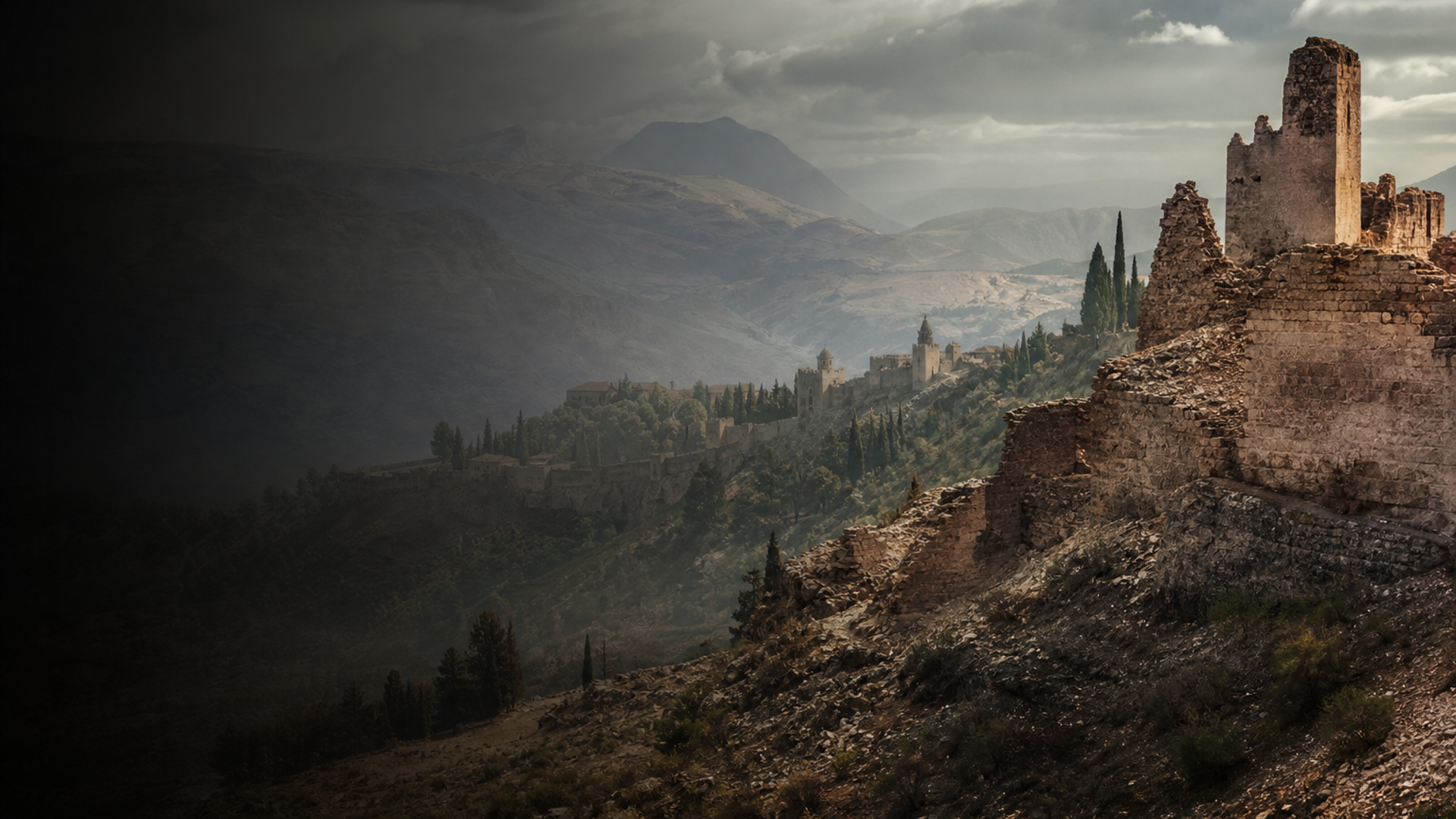

Culturally, the legacy is visible in landscapes shaped by terraces and irrigation, place names, and the layered archaeological record of towns like Granada that later became centers of architecture and scholarship. Genetically, the story is not simple: centuries of movement, conquest, conversion, and coexistence produced a mosaic of ancestries. The three Zira genomes are evocative vignettes rather than a definitive portrait; they invite further sampling and an interdisciplinary conversation between archaeology, history, and genomics to illuminate how medieval lives contributed to modern diversity.

  • mtDNA continuity points to long‑term maternal persistence in Andalusia
  • Signals of North African contribution plausible but unproven with current sample size
AI 电源

AI 助手

就 Voices of Zira: Remains from Islamic Granada 文化提问

AI 助手 由DNAGENICS公司制作

解锁此特性
Ask questions about the Voices of Zira: Remains from Islamic Granada culture. Our AI assistant can explain genetic findings, historical context, archaeological evidence, and modern connections.
AI 样本分析

Voices of Zira: Remains from Islamic Granada 文化是人类历史中值得了解的一章……

遗传分析揭示了与早期种群的联系,同时显示了独特的适应和文化创新的证据。 古代DNA样本提供了对迁徙模式、社会结构以及古代种群之间的生物关系的深刻见解。

这是人工智能分析的预览。 解锁全AI 助手, 以探索关于:

  • 遗传组成和祖先
  • 移徙模式和起源
  • 日常生活和文化习俗
  • 现代遗传遗产

探索更古老的文化

揭开古代世界文明的故事

使用优惠码 可减免 35% • 11月12日 到期




