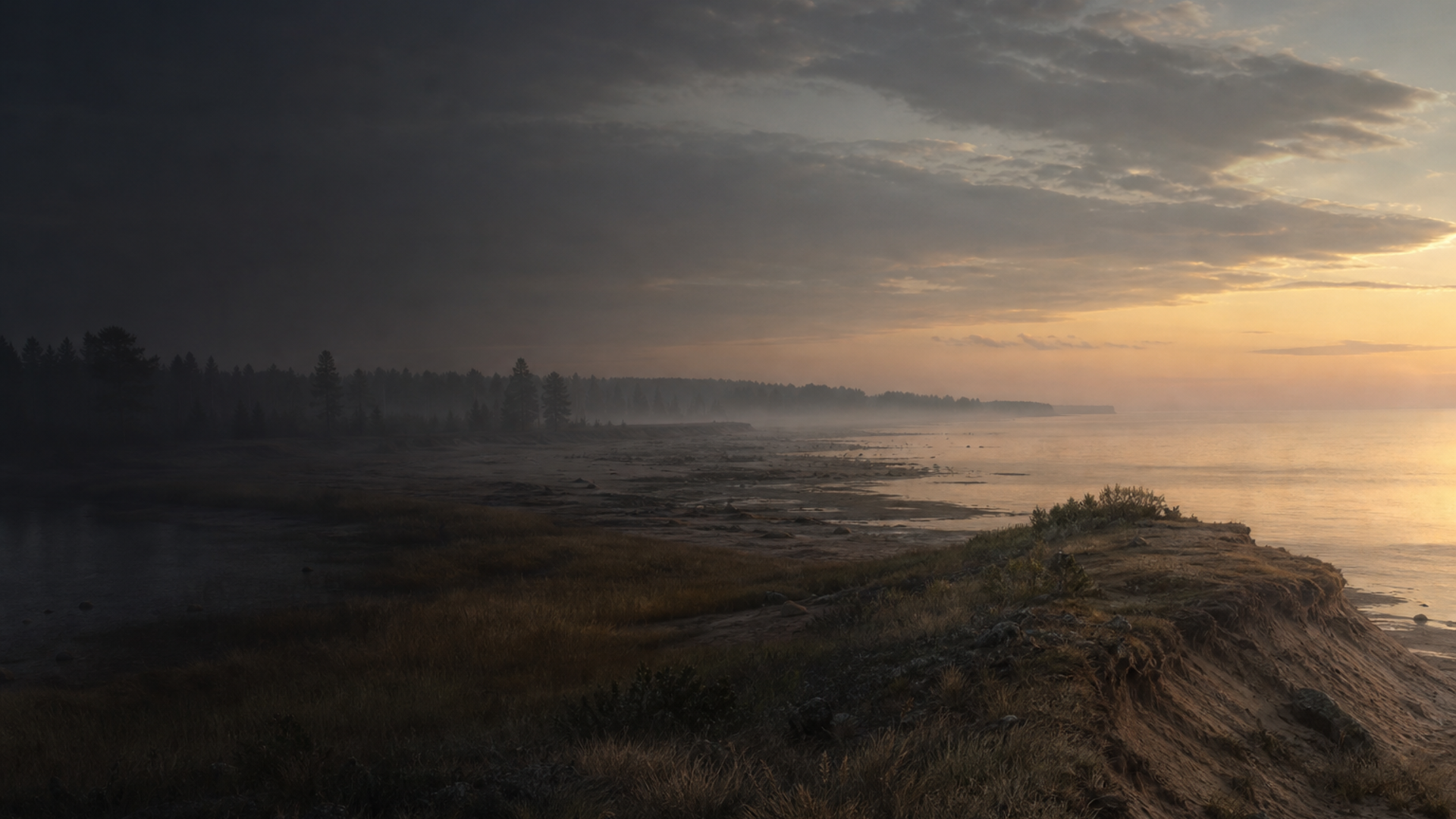
Zvejnieki: Latvia's Ancient Coast

下载的 PDF 是图像副本。如需可选中文本及更好的辅助技术支持,请使用打印功能。

Zvejnieki: Latvia's Ancient Coast

揭开一个失落的文明

正在加载考古记录……

正在收集古代记录

跳转到主内容
Zvejnieki: Latvia's Ancient Coast
文明焦点

Zvejnieki: Latvia's Ancient Coast

Hunter-gatherers of Latvia (7471–4711 BCE) revealed through burials and DNA

7471 CE - 4711 BCE
Latvia (Baltic coast)
滚动开始
Chapter I

剧情

了解 Zvejnieki: Latvia's Ancient Coast 文化

Archaeological and genetic evidence from Zvejnieki, Latvia (7471–4711 BCE) illuminates a maritime hunter-gatherer community. Sixteen genomes show uniform maternal U lineages and mixed paternal R and I signals, linking Baltic lifeways to broader European hunter-gatherer networks.

Time Period

7471–4711 BCE

Region

Latvia (Baltic coast)

Common Y-DNA

R (6), I (6), Q (1)

Common mtDNA

U (16)

Chapter II

时间线

这种文化历史上的关键时刻

7471 BCE

Earliest burials at Zvejnieki

Initial use of the lakeshore cemetery at Zvejnieki marks long-term occupation and ritual activity in the Baltic littoral.

Chapter III

Origins & Emergence

The Zvejnieki cemetery and settlement, on the shorelines of present-day northern Latvia, preserve a long sequence of Mesolithic and early Neolithic activity dated c. 7471–4711 BCE. Archaeological data indicates repeated use of the lakeshore and relict coastal zones for burial and habitation across millennia. The site’s stratified burials, tools, and faunal remains suggest communities anchored in rich littoral resources—fish, waterfowl, and seasonally available mammals—while maintaining terrestrial hunting and plant gathering.

Paleolandscapes along the Baltic were dynamic in this period: shorelines shifted with post-glacial rebound, opening migration corridors and diverse ecological niches. Limited evidence suggests cultural continuity at Zvejnieki rather than wholesale population replacement; the cemetery’s long use implies multi-generational attachment to place. Material culture—microlithic flint tools, bone and antler implements, and subtle changes in burial practice—documents local innovation within broader northern European hunter-gatherer traditions.

Genetic sampling from Zvejnieki provides a complementary line of evidence: ancient genomes anchor this community within the wider cline of European hunter-gatherers, helping to distinguish local persistence from episodes of gene flow. While archaeological sequences trace behavioral continuity, DNA begins to reveal the ancestries that moved with and into these coastal lifeways.

  • Zvejnieki site: prolonged use c. 7471–4711 BCE
  • Littoral economies shaped settlement and burial
  • Archaeology suggests local continuity with some external influences
Chapter IV

Daily Life & Society

Archaeological remains at Zvejnieki evoke a landscape of water and wind: camps and burials set beside lakes and marshes where fishing, fowling, and seasonal hunting structured the year. Bone and antler points, flint microliths, and midden deposits point to a diet rich in freshwater fish and birds, supplemented by elk, beaver, and gathered plants. Archaeological data indicates specialized toolkits for aquatic resources alongside versatile implements for terrestrial tasks.

Burial practices at Zvejnieki are striking and informative. Graves occur with ochre staining, variable goods, and differing body positions—signals of social differentiation and ritualized remembrance. Some burials show careful placement of grave goods such as bone tools or ornaments, suggesting identity markers tied to skill, age, or kinship. Skeletal analyses hint at mobility patterns and workload: repetitive stresses on bones and teeth match a life of intensive foraging, craft, and seasonal movement.

Social organization for hunter-gatherer Latvia likely combined flexible group sizes with lasting ties to particular lake and coastal territories. Archaeological evidence points to intergenerational knowledge transmission—tool recipes, fishing spots, and burial rites—anchoring communities to the Baltic littoral. These lived practices are now illuminated further by genetic data, which helps map kinship across grave rows and seasons.

  • Littoral economy: fishing, fowling, hunting, and gathering
  • Burials with ochre and goods indicate social roles and ritual
Chapter V

Genetic Profile

Genome-wide data from sixteen individuals associated with Latvia_HG at Zvejnieki provide a coherent genetic portrait of a Baltic hunter-gatherer community. All analyzed mitochondrial genomes fall within haplogroup U, a pattern consistent with European Mesolithic populations and reflecting strong continuity of maternal lineages across northern Europe. The uniformity of mtDNA U suggests matrilineal persistence in the local gene pool over centuries.

Paternal lineages are more diverse: documented Y-haplogroups include R (6 individuals), I (6 individuals), and Q (1 individual). Haplogroups R and I are common across Mesolithic Europe and the presence of Q—more frequently observed in eastern Eurasian contexts—hints at occasional long-distance connections or ancestry inputs from the east. Taken together, the Y-chromosome diversity suggests male-mediated mobility or admixture events embedded within stable maternal inheritance.

On a genomic level, Latvia_HG genomes place these individuals within the broader hunter-gatherer variation of Europe, showing affinities intermediate between Western Hunter-Gatherers (WHG) and Eastern Hunter-Gatherers (EHG). Archaeological and genetic evidence together imply local persistence with intermittent gene flow rather than complete population turnover. With a moderate sample size of 16 genomes, these conclusions are reasonably robust for the site but further sampling across the Baltic would refine the timing and directionality of gene flow.

  • Uniform maternal U haplogroups across 16 samples
  • Mixed paternal composition: R and I frequent; Q present
Chapter VI

Legacy & Modern Connections

The people of Zvejnieki left a layered legacy: archaeologically through graves and tools, genetically through lineages that contributed to northern Europe’s ancestral mosaic. Modern Baltic populations carry traces of these deep hunter-gatherer ancestries, blended over millennia with incoming farmers and later steppe-derived groups. Genetic markers such as mtDNA U persist as echoes of these Mesolithic mothers, while paternal lineages reflect complex histories of mobility and contact.

For present-day ancestry reconstruction, Zvejnieki provides a key reference point: it anchors Baltic hunter-gatherer genetic variation in time and place. But caution is necessary—genetic continuity is rarely simple. Landscapes of the past were dynamic, and while Zvejnieki documents local endurance, regional gene pools were shaped by episodic contacts. Archaeology and DNA together let us tell richer, more nuanced stories about how coastal lifeways, kinship, and migration forged the genetic threads seen in Europe today.

  • Contributes to modern Baltic genetic ancestry
  • Highlights interplay of local continuity and episodic contact
AI 电源

AI 助手

就 Zvejnieki: Latvia's Ancient Coast 文化提问

AI 助手 由DNAGENICS公司制作

解锁此特性
Ask questions about the Zvejnieki: Latvia's Ancient Coast culture. Our AI assistant can explain genetic findings, historical context, archaeological evidence, and modern connections.
AI 样本分析

Zvejnieki: Latvia's Ancient Coast 文化是人类历史中值得了解的一章……

遗传分析揭示了与早期种群的联系,同时显示了独特的适应和文化创新的证据。 古代DNA样本提供了对迁徙模式、社会结构以及古代种群之间的生物关系的深刻见解。

这是人工智能分析的预览。 解锁全AI 助手, 以探索关于:

  • 遗传组成和祖先
  • 移徙模式和起源
  • 日常生活和文化习俗
  • 现代遗传遗产

探索更古老的文化

揭开古代世界文明的故事

使用优惠码 可减免 35% • 11月12日 到期