Zvejnieki: Latvia's Middle Neolithic

下载的 PDF 是图像副本。如需可选中文本及更好的辅助技术支持,请使用打印功能。

Zvejnieki: Latvia's Middle Neolithic

揭开一个失落的文明

正在加载考古记录……

正在收集古代记录

跳转到主内容
Zvejnieki: Latvia's Middle Neolithic
文明焦点

Zvejnieki: Latvia's Middle Neolithic

Six genomes from Zvejnieki reveal maternal U continuity and tentative R signals

4330 CE - 3951 BCE
Zvejnieki, Latvia (Zemgale, Neretas District)
滚动开始
Chapter I

剧情

了解 Zvejnieki: Latvia's Middle Neolithic 文化

Middle Neolithic people at Zvejnieki (4330–3951 BCE) show archaeological continuity with earlier foragers and a genetic signal of ubiquitous mtDNA U and partial Y‑lineage R. Small sample sizes make conclusions provisional; archaeology plus aDNA hint at local persistence amid subtle change.

Time Period

4330–3951 BCE

Region

Zvejnieki, Latvia (Zemgale, Neretas District)

Common Y-DNA

R (3/6 samples)

Common mtDNA

U (6/6 samples)

Chapter II

时间线

这种文化历史上的关键时刻

4300 BCE

Zvejnieki burials (c. 4300 BCE)

Intensive cemetery use at Zvejnieki records Middle Neolithic burials and material culture along Latvian lake margins, forming the archaeological context for Latvia_MN genomes.

Chapter III

Origins & Emergence

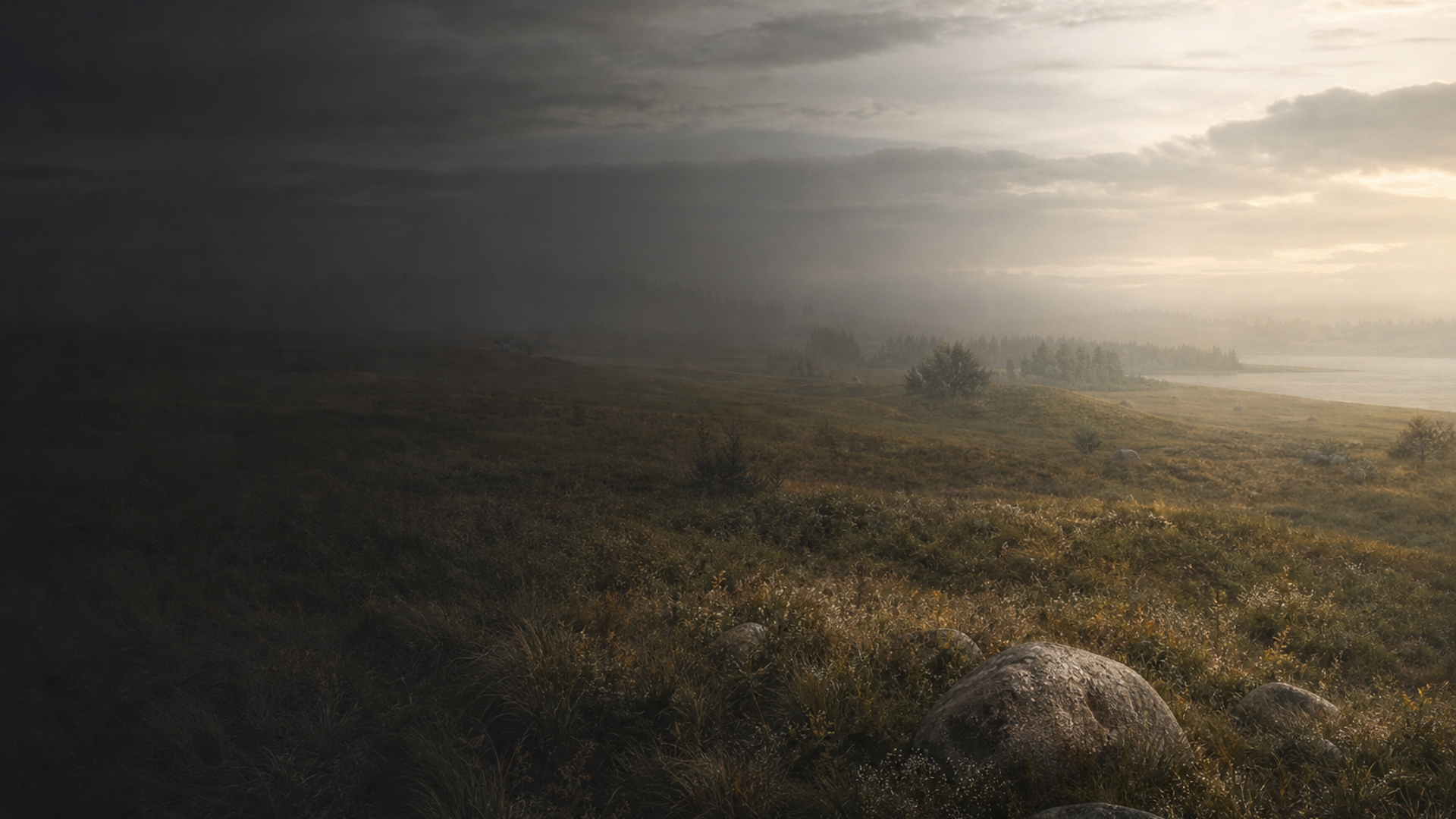
At the watery margins of northern Latvia, communities occupying Zvejnieki between roughly 4330 and 3951 BCE inhabited a landscape of lakes, wetlands and mixed forests. Archaeological excavations at Zvejnieki (Zemgale, Neretas District) reveal a long-lived cemetery and settlement sequence that preserves burial practices, lithic and organic toolkits, and traces of daily life sealed in peat and silts. These layers record a Middle Neolithic horizon that, in many respects, continues earlier Mesolithic lifeways while incorporating new material expressions such as regional pottery styles and locally adapted technologies.

The six genomes currently attributed to Latvia_MN come from this secure Zvejnieki context and are radiocarbon‑anchored to the 4330–3951 BCE window. Archaeological data indicates continuity in resource use—seasonal fishing, fowling and forest gathering—combined with evolving social behaviors visible in grave placement and offerings. Limited evidence suggests the community was deeply rooted in the lake margins rather than the product of a rapid population replacement.

Caveat: with only six genomic samples, demographic reconstructions remain tentative. The genetic picture must be read alongside the rich material record: burial variability, tool traditions and environmental data together offer the best route to understanding how these Middle Neolithic people emerged from earlier forager backgrounds and adapted to changing ecological and cultural landscapes.

  • Zvejnieki cemetery documents long occupational sequence on lake margins
  • Radiocarbon dates for Latvia_MN: 4330–3951 BCE
  • Material culture suggests continuity with Mesolithic lifeways and local Neolithic adaptations
Chapter IV

Daily Life & Society

Life for Middle Neolithic occupants of Zvejnieki unfolded in a mosaic of shallow lakes, reed beds and birch‑pine woodlands. Archaeological traces—burial positions, tool assemblages of flint, bone and antler, and occasional pottery fragments—indicate communities sustained by mixed subsistence: fishing and fowling in summers, hunting and plant gathering in other seasons. The cemetery contexts preserve evidence of social differentiation: variable grave goods, body treatment and placement within a densely used ritual landscape.

Households likely maintained flexible seasonal rounds, leveraging rich littoral resources while knapping and repairing tools on site. Bone and antler working, the presence of ochre in some graves, and curated personal items suggest care in mortuary expression and identity. Material variability at Zvejnieki implies small kin groups with long-term ties to place; mortuary choices hint at social networks that extended along river and lake corridors.

Archaeological data indicates community resilience: even as broader Neolithic trends swept Europe, these lake‑side people retained elements of forager lifeways adapted to temperate northern wetlands. Ethnographic analogy and residue studies provide inference but not certainty—each interpretation is best viewed as a hypothesis to be tested with more excavation and targeted aDNA sampling.

  • Mixed subsistence focused on fishing, fowling, hunting and gathering
  • Cemetery shows variable burial treatments and material expressions
Chapter V

Genetic Profile

The genetic snapshot for Latvia_MN rests on six genomes from Zvejnieki dated 4330–3951 BCE. All six individuals carry mitochondrial haplogroup U, a lineage strongly associated in many studies with Mesolithic and later forager populations across northern and western Europe. This uniformity in maternal lineages points to pronounced matrilineal continuity in this lakeside community and suggests inheritance of maternal ancestry from earlier hunter‑gatherer groups.

On the paternal side, Y‑chromosome lineage R appears in three of the sampled individuals. Haplogroup R is broad and diverse; its presence here should not be overinterpreted as evidence for any single migration event. It could reflect local continuity of male lineages that belong to broader west‑Eurasian clades or episodes of male‑mediated gene flow into the Baltic littoral. Archaeogenetic models that integrate autosomal data, uniparental markers and archaeological context are required to resolve whether the R signal represents internal demographic shifts or contacts with neighboring groups.

Because the sample count is small (<10), population‑level inferences remain preliminary. Limited evidence suggests strong maternal continuity with European foragers and a mixed picture for paternal ancestry. Future sampling across other Middle Neolithic Baltic sites and increased autosomal resolution will be decisive for testing hypotheses about continuity, admixture and social structure.

  • mtDNA U in 6/6 samples indicates maternal continuity with northern foragers
  • Y haplogroup R in 3/6 samples hints at complex or mixed paternal ancestry; interpretation is preliminary
Chapter VI

Legacy & Modern Connections

Zvejnieki's Middle Neolithic inhabitants leave a measured legacy: archaeologically, as a long‑used cemetery that preserves lifeways on the Baltic lake margin; genetically, as a hint that maternal lines of older European foragers persisted well into the Neolithic in this region. Modern populations of the Baltic may carry fragments of this inheritance, but genetic continuity is rarely straightforward. Millennia of migration, admixture and cultural change have layered new ancestries atop older ones.

The cinematic image of bodies interred beside still waters endures because it ties physical place to memory. For modern Latvians and neighboring peoples, Zvejnieki is a deep‑time anchor—one piece in a complex ancestry mosaic. Archaeology combined with expanding aDNA datasets will continue to refine how much of the Middle Neolithic genetic landscape contributed to later Baltic populations. Until then, conclusions should remain cautious: six genomes are a beginning, not a closure.

  • Zvejnieki provides a deep temporal anchor for Baltic prehistory
  • Modern genetic links are possible but complex; more sampling is needed
AI 电源

AI 助手

就 Zvejnieki: Latvia's Middle Neolithic 文化提问

AI 助手 由DNAGENICS公司制作

解锁此特性
Ask questions about the Zvejnieki: Latvia's Middle Neolithic culture. Our AI assistant can explain genetic findings, historical context, archaeological evidence, and modern connections.
AI 样本分析

Zvejnieki: Latvia's Middle Neolithic 文化是人类历史中值得了解的一章……

遗传分析揭示了与早期种群的联系,同时显示了独特的适应和文化创新的证据。 古代DNA样本提供了对迁徙模式、社会结构以及古代种群之间的生物关系的深刻见解。

这是人工智能分析的预览。 解锁全AI 助手, 以探索关于:

  • 遗传组成和祖先
  • 移徙模式和起源
  • 日常生活和文化习俗
  • 现代遗传遗产

探索更古老的文化

揭开古代世界文明的故事

使用优惠码 可减免 35% • 11月12日 到期




