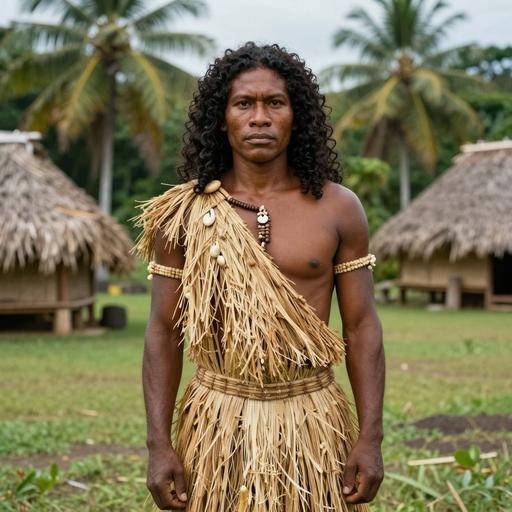
Vanuatu, an archipelago in the South Pacific, has a rich and intricate history that stretches back thousands of years. Around 2,300 years ago (circa 300 BCE), this region was inhabited by Austronesian-speaking peoples who were part of the broader Lapita cultural complex. This period is crucial in understanding the initial phases of human settlement and cultural development in Vanuatu.
Geographical Context
Vanuatu is a chain of islands located southeast of the Solomon Islands, northeast of New Caledonia, and west of Fiji. The island group consists of over 80 islands, offering diverse ecological zones ranging from coastal areas with sandy beaches to mountainous inland regions. This geographical diversity allowed early settlers to exploit various natural resources, which played a significant role in their sustenance and development.
The Arrival of the Austronesians
The Austronesian settlers were part of the Lapita culture, known for their distinctive pottery, maritime skills, and agricultural practices. These settlers arrived in Vanuatu around 3,000 years ago and brought with them a fully developed package of agriculture, domesticated animals, and advanced seafaring technology. By 2,300 years ago, these communities were well established across the archipelago.
Cultural Characteristics
Lapita Pottery: One of the most significant archaeological hallmarks of this era is the Lapita pottery, characterized by intricate geometric designs often impressed into the clay using dentate-stamped patterns. These designs were not merely decorative but also served as a cultural indicator of shared identity among the Austronesian people across the Pacific.
Agriculture and Subsistence: The inhabitants of Vanuatu practiced horticulture, cultivating crops like yam, taro, and banana. They also domesticated animals such as pigs and chickens, which supplemented their diet. The exploitation of marine resources, including fish and shellfish, was equally vital, given the island location.
Social Organization: Social structures were likely organized around kinship, with clans or extended families forming the primary social units. Leadership likely involved some form of chieftainship or elder council, with status and power potentially being linked to control over resources and knowledge of navigation and agriculture.
Seafaring and Trade: The Austronesians were exceptional navigators with advanced knowledge of astronomy and ocean currents, enabling them to traverse vast distances. This seafaring ability facilitated trade and cultural exchange across the Pacific Ocean, with Vanuatu being an essential node in these networks.
Art and Symbols: Apart from pottery, art in this period could have included personal ornaments made from shells and other materials, reflecting a culture that valued artistic expression and symbolic communication.
Rituals and Beliefs: While the specifics of their belief systems are not definitively known due to limited archaeological evidence, the Austronesians in Vanuatu likely practiced ancestor worship, and rituals could have played a crucial role in social cohesion and cultural identity.
Environmental Adaptation
Adapting to the island environment, the settlers developed strategies for resource management. This adaptability ensured the sustainability of their communities despite challenges posed by natural disasters such as cyclones and volcanic eruptions, which are common in the region.
Conclusion
The era of 2,300 years ago in Vanuatu signifies a period of cultural richness and expansion within the broader Austronesian migration across the Pacific. With their ceramic artistry, agricultural ingenuity, and maritime prowess, these peoples laid the cultural foundations for the future societies of Vanuatu. Understanding this period provides insight into the spread of Austronesian languages and cultures across Oceania, marking a significant chapter in human history.