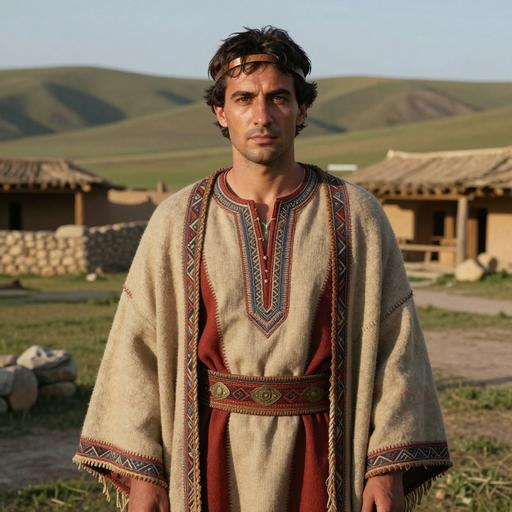
The Shamakhi Culture of the Caucasus is a fascinating and multi-faceted subject that encompasses the historical, geographical, social, and artistic aspects of a region that has been at the crossroads of civilizations for centuries. Shamakhi, located in modern-day Azerbaijan, is one of the oldest cities in the region and has played a pivotal role in the development of the Caucasian cultural landscape.
Historical Context
Shamakhi has a rich historical narrative that dates back more than two millennia. It served as the capital of the Shirvanshah dynasty from the 9th to 16th centuries, which greatly influenced the culture and architecture of the region. Due to its strategic location on the Silk Road, Shamakhi was a vibrant center for trade, linking the East and West. This interaction facilitated an exchange of ideas, goods, and cultural practices, contributing to its unique cultural heritage.
Throughout its history, Shamakhi has been conquered and influenced by various empires, including the Persian, Arab, Mongol, Ottoman, and Russian Empires. Each of these powers left its mark on the cultural and social fabric of the city, thus creating a melting pot of traditions, languages, and religions.
Geographical Influence
Nestled in the picturesque landscape of north-central Azerbaijan, Shamakhi is surrounded by the Greater Caucasus mountains to the north and the Shirvan plain to the south. This diverse topography has influenced the local lifestyle, economy, and architecture. The region is known for its viniculture, and winemaking is an important cultural and economic activity. The fertile soil and favorable climate have also supported agriculture, creating a tradition of rich, locally-grown food.
Language and Religion
Language and religion in Shamakhi have evolved as a result of its complex history. While Azerbaijani is the predominant language today, historical influences have introduced Persian, Arabic, and Russian into the cultural lexicon. Religious practices also reflect this diversity: Islam, particularly Shia Islam, is the major religion, but there are also historical traces of Zoroastrianism, Christianity, and ancient pagan practices.
Arts and Literature
The arts have flourished in Shamakhi, with a strong emphasis on poetry, music, and dance. Shamakhi was the birthplace of the renowned Persian poet Nizami Ganjavi, whose works are celebrated throughout the Middle East and Central Asia. Poetry and literature from the region often explore themes of love, nature, and philosophy, reflecting the complex spiritual and emotional life of its people.
Music and dance are integral to the Shamakhi culture, with the Mugham—a traditional Azerbaijani musical form similar to a classical suite—and the Lezginka dance being particularly popular. The music often features traditional instruments like the tar, kemancha, and daf, and is characterized by intricate melodies and improvisation.
Architecture
Architecture in Shamakhi combines Persian, Islamic, and local influences. The city is home to several historical landmarks, such as the Juma Mosque, one of the oldest mosques in the Caucasus, which has been rebuilt multiple times due to seismic activity. The architectural style is defined by elegant minarets, domes, and intricate stonework, showcasing the craftsmen's skills and the diverse cultural influences that have converged in the region.
Social Structure and Traditions
The social structure of Shamakhi historically has revolved around clan and family ties, with a strong emphasis on hospitality, respect for elders, and community cohesion. Traditional events and festivals, like Novruz Bayram, celebrate the coming of spring and are marked by communal gatherings, music, dance, and shared meals.
In conclusion, the Shamakhi Culture of the Caucasus is a testament to the region's resilience and adaptability. It represents a unique synthesis of diverse influences while maintaining its distinct local flavor—a rich tapestry woven through history, geography, art, and social customs.